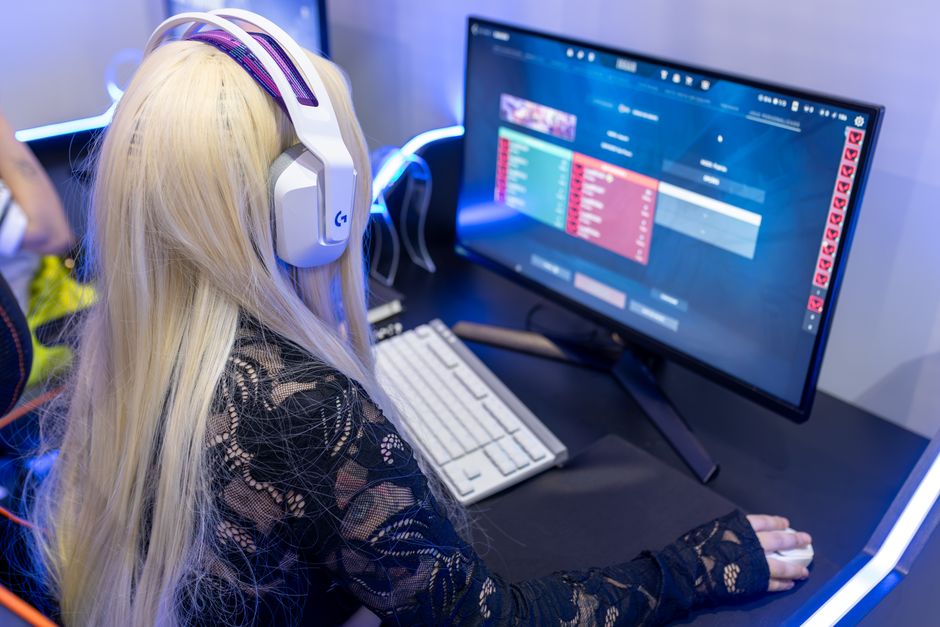










The esports industry has experienced exponential growth over the past decade, transforming from a niche hobby into a billion-dollar global phenomenon. With millions of fans and players worldwide, the competitive gaming scene presents unprecedented opportunities for brands and sponsors. This article explores the significance of esports team sponsorship, its impact on the gaming community, and how companies can effectively engage with this dynamic market.
Understanding Esports Sponsorship

Esports sponsorship refers to the financial and promotional support provided by brands to professional gaming teams, events, or leagues. This support can come in various forms, including monetary funding, equipment, apparel, or even marketing resources. The primary goal for sponsors is to enhance brand visibility and connect with a dedicated audience that is often difficult to reach through traditional advertising methods.
As esports continues to grow, so does the competition among brands to secure sponsorship deals. According to a report by Newzoo, the global esports market is expected to surpass $1.5 billion by 2023, with sponsorships accounting for a significant portion of this revenue. This highlights the need for companies to understand the intricacies of esports sponsorship to maximize their investment.
Benefits of Sponsoring Esports Teams
One of the most compelling reasons for brands to invest in esports sponsorship is the ability to reach a young, engaged audience. The average age of esports viewers is between 18 and 34, making it an attractive demographic for brands targeting millennials and Gen Z. Additionally, esports fans are known for their loyalty and passion, which can translate into strong brand advocacy.
Moreover, sponsoring esports teams allows brands to create authentic connections with fans. By associating with a team or player, sponsors can leverage the team’s existing fanbase, creating a sense of community and shared values. For instance, brands like Red Bull and Intel have successfully integrated themselves into the esports ecosystem, becoming household names among gamers.
Crafting a Successful Sponsorship Strategy
To make the most of esports sponsorship, brands need to develop a well-thought-out strategy. This begins with selecting the right team or player to sponsor. Factors to consider include the team’s popularity, competitive performance, and alignment with the brand’s values. For example, a brand focused on health and wellness might choose to sponsor a team known for promoting a balanced lifestyle.
Once a partnership is established, it’s essential to engage with the audience effectively. This can be achieved through co-branded content, social media campaigns, and interactive experiences. For instance, live-streaming events featuring sponsored teams can provide a platform for brands to showcase their products while engaging directly with fans.
Furthermore, measuring the success of sponsorship campaigns is crucial. Brands should establish key performance indicators (KPIs) to assess the effectiveness of their investment. Metrics such as social media engagement, website traffic, and sales conversions can provide valuable insights into the return on investment for esports sponsorship.
Challenges and Considerations
While the benefits of esports sponsorship are significant, brands must also navigate several challenges. One of the primary concerns is the rapidly evolving nature of the esports landscape. New games, emerging teams, and changing audience preferences can make it difficult for sponsors to maintain relevance.
Additionally, brands should be aware of the potential reputational risks associated with esports. Issues such as toxicity within gaming communities and controversies surrounding players can impact a brand’s image. Therefore, it’s essential for sponsors to conduct thorough research and engage with teams that align with their values.
Case Studies of Successful Sponsorships
Several brands have successfully leveraged esports sponsorship to enhance their visibility and connect with audiences. One notable example is Coca-Cola, which has partnered with various esports tournaments and teams. Their marketing campaigns often feature immersive experiences that engage fans both online and offline, establishing a strong connection with the gaming community.
Another success story is the partnership between Audi and the esports team, Fnatic. Audi’s involvement in esports extends beyond sponsorship; they actively engage with fans through innovative campaigns and collaborations, showcasing their commitment to the gaming culture.
These examples illustrate the potential for brands to create impactful sponsorships that resonate with the esports audience, reinforcing the importance of strategic planning and execution.
Conclusion
Esports team sponsorship is more than just a marketing strategy; it’s an opportunity for brands to connect with a passionate and engaged audience. As the esports industry continues to grow, companies that invest in this space can reap significant rewards. By understanding the dynamics of esports sponsorship, crafting effective strategies, and navigating potential challenges, brands can position themselves for success in this exciting new frontier. For those looking to explore this opportunity, it’s essential to consider the comprehensive landscape of esports team sponsorship and its potential to elevate brand presence in a competitive market.