










The toy industry has undergone significant transformations in recent years, driven by technological advancements, changing consumer preferences, and a growing emphasis on safety and sustainability. Children toy manufacturers play a crucial role in this dynamic landscape, responsible for creating products that not only entertain but also educate and inspire young minds. This article delves into the multifaceted world of toy manufacturing, exploring the trends, challenges, and innovations that define the industry today.
The Evolution of the Toy Industry
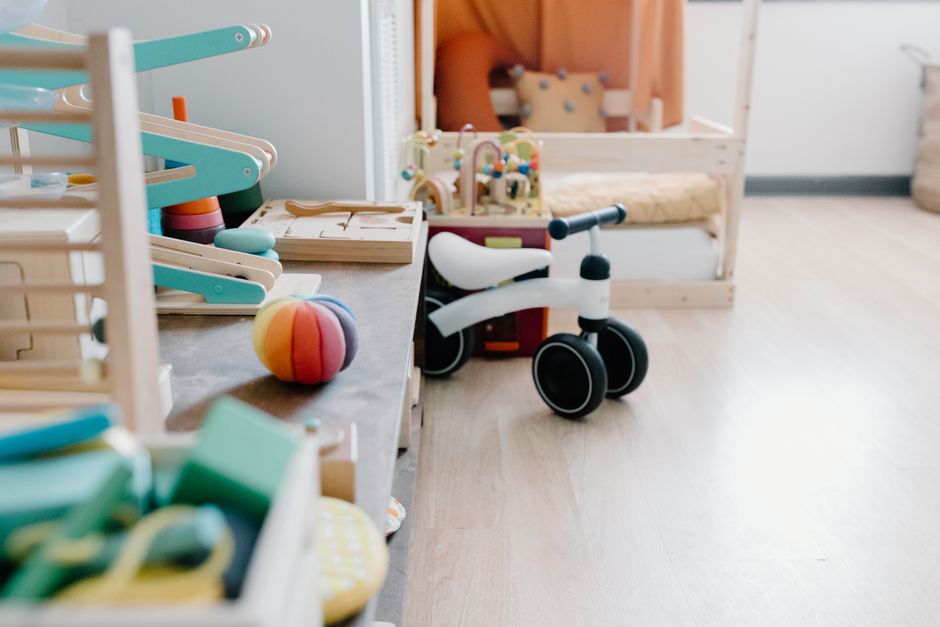
Historically, toys were simple creations made from natural materials, designed to stimulate a child’s imagination. However, the introduction of plastic in the mid-20th century revolutionized the industry. Today, children toy manufacturers are not just producing toys for play; they are developing educational tools that foster learning and development. According to a recent report, the global toy market is projected to reach USD 120 billion by 2023, highlighting the industry’s robust growth.
This evolution has been fueled by a shift towards interactive and technology-driven toys. For instance, many manufacturers are integrating augmented reality (AR) and artificial intelligence (AI) into their products, creating immersive experiences for children. As these technologies continue to advance, the landscape of children’s toys is likely to change even further, making the role of manufacturers increasingly vital.
Sustainability in Toy Manufacturing
With growing environmental concerns, sustainability has become a top priority for children toy manufacturers. Many companies are now focusing on eco-friendly materials and production processes. For example, some manufacturers have started using recycled plastics and biodegradable materials to create toys that are less harmful to the environment.
Incorporating sustainable practices not only benefits the planet but also caters to the increasing consumer demand for environmentally responsible products. A survey conducted by Statista found that 70% of parents are willing to pay more for toys made from sustainable materials. This trend underscores the importance of manufacturers adapting to consumer preferences to remain competitive in the market.
Safety Standards and Regulations
Safety is paramount in the toy industry, as children are particularly vulnerable to hazardous materials and design flaws. Children toy manufacturers must comply with strict safety standards set by various regulatory bodies across the globe. In the United States, for instance, the Consumer Product Safety Commission (CPSC) enforces safety regulations that manufacturers must adhere to ensure that their products are safe for children.
Compliance with these standards not only protects children but also enhances a brand’s reputation. Manufacturers who prioritize safety are likely to gain consumer trust, which is essential in a market where parents are increasingly scrutinizing the products they purchase for their children. This focus on safety can be a significant differentiator in a highly competitive industry.
The Role of Technology in Toy Manufacturing
Advancements in technology have had a profound impact on the toy manufacturing process. From computer-aided design (CAD) to 3D printing, technology has streamlined production, allowing manufacturers to create more complex and innovative designs quickly and efficiently. For example, 3D printing enables rapid prototyping, allowing manufacturers to test new concepts and bring them to market faster than ever before.
Moreover, technology has also changed the way toys are marketed and sold. E-commerce platforms have become a primary sales channel, enabling manufacturers to reach a global audience. Online marketing strategies, including social media campaigns and influencer partnerships, have proven effective in engaging with modern consumers. By leveraging technology, children toy manufacturers can enhance their visibility and drive sales in an increasingly digital marketplace.
Future Trends in Toy Manufacturing
As the toy industry continues to evolve, several trends are expected to shape the future of children toy manufacturers. One notable trend is the rise of STEM (Science, Technology, Engineering, and Mathematics) toys. These toys encourage children to explore scientific concepts and develop critical thinking skills, aligning with educational goals that many parents have for their children.
Furthermore, the increased emphasis on personalization in products is likely to gain traction. Customizable toys that allow children to express their individuality are becoming increasingly popular, providing a unique selling point for manufacturers. As parents seek toys that offer both fun and educational value, manufacturers who can successfully integrate these elements will thrive.
Overall, the landscape of children toy manufacturing is rich with opportunity and challenges. Manufacturers who embrace innovation, prioritize safety, and commit to sustainability will not only succeed but also contribute positively to the development of the next generation.
Conclusion
The role of children toy manufacturers is more critical than ever in a rapidly changing market. As the industry continues to evolve, manufacturers must adapt to emerging trends, prioritize sustainability, and ensure safety to meet the needs of modern consumers. By staying ahead of the curve and embracing new technologies, children toy manufacturers can create products that not only entertain but also educate and inspire, shaping the future of play for generations to come. For those looking to connect with a reliable children toy manufacturer, understanding these dynamics can lead to informed decisions that benefit both businesses and consumers alike.