









In an era where technology continues to reshape our experiences, virtual tour photography emerges as a game-changer in how we explore spaces. This innovative approach allows users to navigate environments in a virtual realm, offering a unique blend of accessibility and immersion. Whether for real estate, tourism, or educational purposes, understanding the intricacies of virtual tour photography can unlock numerous opportunities for businesses and individuals alike.
What is Virtual Tour Photography?
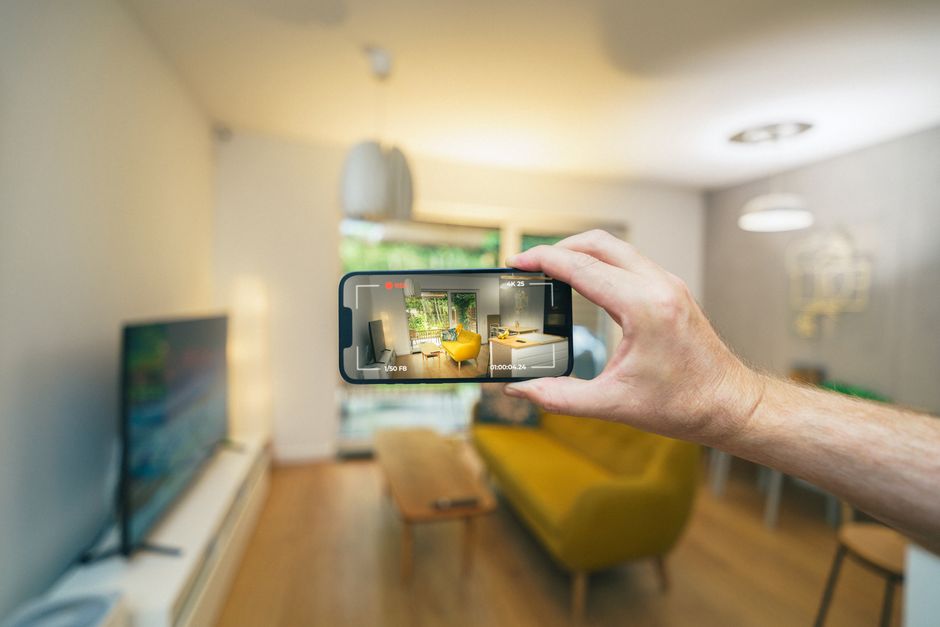
Virtual tour photography is a method that combines panoramic photography with interactive elements to create a virtual representation of a space. Users can navigate 360-degree views, often accompanied by hotspots that provide additional information about specific areas or features. This technology is not only visually appealing but also highly functional, as it enables viewers to immerse themselves in the environment without physically being present.
The process typically involves capturing multiple images from various angles, which are then stitched together using specialized software. The result is a seamless, interactive experience that can be accessed via computers, smartphones, or virtual reality headsets. This level of engagement is particularly beneficial for industries such as real estate, where potential buyers can explore properties remotely.
Moreover, the rise of virtual tours has been significantly influenced by advancements in camera technology and software capabilities. High-quality cameras and 3D mapping tools have made it easier for photographers to produce stunning virtual tours that not only captivate audiences but also effectively showcase the subject matter.
Benefits of Virtual Tour Photography
The advantages of utilizing virtual tour photography are manifold. First and foremost, it provides an immersive experience that traditional photography cannot match. Viewers can explore spaces at their own pace, making decisions based on a comprehensive understanding of the environment.
Additionally, virtual tours can enhance marketing strategies. For businesses, integrating virtual tours into their websites can boost engagement and increase conversion rates. A study by the National Association of Realtors found that listings with virtual tours receive 87% more views compared to those without. This statistic alone underscores the importance of adopting this technology in today’s competitive market.
Furthermore, virtual tour photography offers a unique advantage during the pandemic era, where in-person visits may be limited. Many businesses have turned to virtual tours to maintain customer engagement, allowing potential clients to explore spaces safely from their homes. This trend is expected to continue, as consumers increasingly prefer flexible options for exploring properties and locations.
Applications of Virtual Tour Photography
Virtual tour photography has a wide array of applications across various sectors. In real estate, agents can provide potential buyers with an in-depth look at properties, showcasing features that might not be apparent in traditional images. This technology not only saves time for both buyers and sellers but also enhances the overall buying experience.
In the hospitality industry, hotels and resorts utilize virtual tours to attract guests. By providing a realistic view of accommodations and amenities, potential visitors can make informed decisions about their stay. Similarly, museums and cultural institutions have adopted virtual tours to reach a broader audience, allowing individuals worldwide to explore exhibits and collections remotely.
Education is another area where virtual tour photography shines. Educational institutions can create virtual campus tours for prospective students, giving them a glimpse into campus life and facilities. This approach not only aids in recruitment but also enhances the overall student experience by providing essential information in an engaging format.
How to Create a Virtual Tour
Creating a virtual tour involves several steps, beginning with planning the shoot. Identifying key areas to capture is essential, as these will form the backbone of the tour. Once the locations are determined, the next step is to gather the right equipment. A high-resolution camera, tripod, and 360-degree lens are typically required for optimal results.
After capturing the images, the next phase involves editing and stitching the photos together using specialized software. This process can be intricate, requiring attention to detail to ensure a seamless transition between images. Once completed, additional features like hotspots or informational tags can be added to enhance the user experience.
Finally, the finished product can be hosted on websites or shared through various platforms. It’s crucial to optimize the virtual tour for search engines, as this will enhance visibility and attract more viewers. Incorporating effective SEO strategies, such as utilizing the right keywords and meta descriptions, can significantly impact the success of the virtual tour.
Future Trends in Virtual Tour Photography
As technology continues to evolve, the future of virtual tour photography looks promising. Innovations in augmented reality (AR) and virtual reality (VR) are likely to shape the next generation of virtual tours. These advancements will enable even more immersive experiences, allowing viewers to interact with environments in real-time.
Moreover, the integration of artificial intelligence may enhance personalization, enabling virtual tours to adapt based on user preferences and behavior. This level of customization could revolutionize how businesses engage with their audiences, providing tailored experiences that resonate with individual needs.
In conclusion, as the demand for virtual experiences continues to grow, businesses that embrace virtual tour photography will likely gain a competitive edge. The ability to provide immersive, engaging content is not only beneficial for attracting customers but also essential for adapting to the changing landscape of consumer behavior.
Conclusion
In summary, virtual tour photography is transforming how we experience and interact with spaces. Its applications span various industries, offering unique advantages that traditional photography cannot provide. As technology advances, the potential for virtual tours will only expand, solidifying their importance in marketing strategies and customer engagement. For businesses looking to stay ahead, investing in virtual tour photography is no longer an option; it is a necessity for success in the digital age.