









The Glock pistol has become a household name among firearm enthusiasts, law enforcement, and military personnel alike. At the heart of its iconic design lies the Glock slide, a critical component that not only contributes to the firearm’s aesthetic appeal but also significantly influences its performance. This article delves into the functions, types, and maintenance of Glock slides, providing readers with a comprehensive understanding of why they are essential for any Glock owner.
What is a Glock Slide?
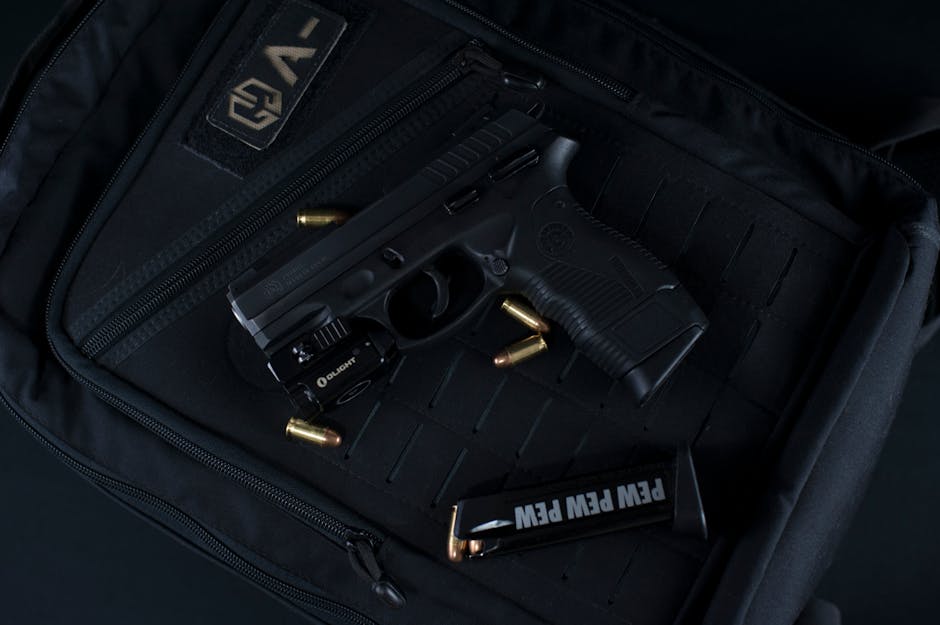
The Glock slide is the upper part of the Glock pistol that houses the barrel, recoil spring, and firing pin. This component is essential for the operation of the firearm, as it facilitates the ejection of spent cartridges and the loading of new rounds. The slide is also where the sights are mounted, making it crucial for accurate shooting.
Moreover, the Glock slide is designed to withstand the high pressures generated during firing. Made from high-strength steel or polymer, the slide must be durable enough to handle repeated use while maintaining its integrity. This durability is one of the reasons why Glock pistols are favored by many professionals.
Types of Glock Slides
Glock slides come in various types, each tailored for specific models and purposes. The most common types include standard OEM slides, aftermarket slides with enhanced features, and custom slides designed for competitive shooting.
Standard OEM slides, like the glock 17 slides, are produced by Glock itself and are designed to meet the specifications of each model. These slides are reliable and ensure that the firearm operates as intended.
Aftermarket slides, on the other hand, offer modifications such as increased weight, customizable designs, and enhanced performance features. These can include optics cuts for mounting red dot sights, which are increasingly popular among competitive shooters and enthusiasts seeking improved accuracy.
Maintaining Your Glock Slide
Proper maintenance of the Glock slide is crucial for ensuring the longevity and reliability of the firearm. Regular cleaning is essential, and it is recommended to disassemble the slide periodically to remove any carbon buildup and debris that may accumulate during use.
Lubrication is another vital aspect of maintenance. Using a quality gun oil, owners should apply a thin layer to the slide’s moving parts to ensure smooth operation. Neglecting lubrication can lead to increased friction, potentially causing malfunctions during firing.
Furthermore, regular inspections of the slide for signs of wear or damage can prevent issues before they arise. Any cracks or significant wear should prompt immediate replacement to ensure the firearm remains safe and functional.
The Importance of Customization
Customization of Glock slides has become a popular trend among firearm enthusiasts and competitive shooters. By altering the slide’s design, owners can enhance not only its aesthetic appeal but also its performance characteristics.
For example, adding serrations or cuts can improve grip and ease of manipulation, especially in high-pressure situations. Additionally, customizing the finish of the slide can provide corrosion resistance and a unique look that sets the firearm apart.
Many companies specialize in creating custom Glock slides, allowing users to choose colors, patterns, and features that suit their personal preferences. This level of customization fosters a sense of ownership and pride among firearm owners.
Conclusion
In conclusion, the Glock slide is a crucial component of the Glock pistol that significantly impacts its performance and functionality. Understanding the various types of slides available, as well as the importance of maintenance and customization, can enhance the overall experience of owning a Glock. Whether you are a law enforcement officer, a competitive shooter, or a firearm enthusiast, investing time and resources into understanding your Glock slide will undoubtedly lead to improved performance and reliability.