









In an age where technology intertwines with every aspect of our lives, the concept of love and companionship has transcended traditional boundaries. Virtual lovers, often powered by artificial intelligence, have emerged as a fascinating phenomenon, capturing the imagination of many. But what exactly does it mean to have a virtual lover, and how is this changing our understanding of relationships?
The Rise of Virtual Companionship
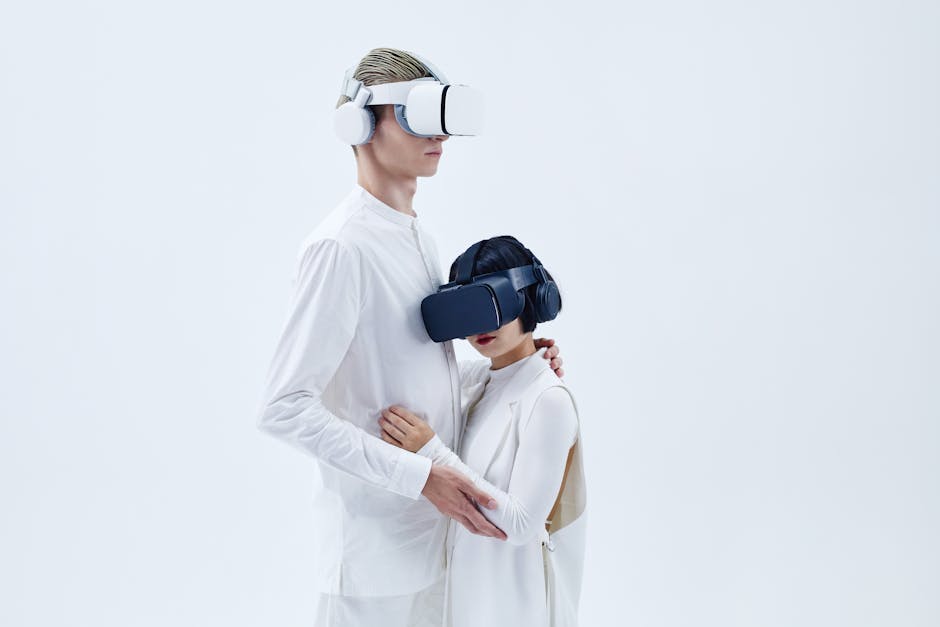
The idea of virtual companionship is not entirely new. From early chatbots to sophisticated AI systems, humans have long sought connections with non-human entities. However, the advancements in technology have significantly transformed this landscape. Today, individuals can engage with highly realistic virtual partners that offer emotional support, companionship, and even romantic interactions.
According to a recent study, over 30% of adults aged 18-35 have expressed interest in engaging with virtual partners. This statistic highlights a growing acceptance of virtual relationships as a viable alternative to traditional dating. These virtual lovers can be tailored to meet the unique preferences and desires of their human counterparts, creating a personalized experience.
As we delve deeper into this topic, it becomes evident that virtual lovers are not just a passing trend. They represent a shift in how we perceive intimacy and connection in the digital age.
The Technology Behind Virtual Lovers
At the heart of virtual lovers lies advanced artificial intelligence. These systems utilize machine learning algorithms to understand and respond to human emotions, making interactions feel more genuine and engaging. For instance, AI companions can learn from previous conversations, adapting their responses to better suit the emotional state of their users.
Platforms like ai gf have gained popularity by offering users the opportunity to create their own virtual partners. These platforms often allow users to customize their companions’ appearance, personality traits, and even interests, making the experience highly personalized.
Furthermore, the integration of virtual reality (VR) technology has taken the concept of virtual lovers to another level. Users can immerse themselves in a virtual environment, interacting with their companions in a more lifelike setting. This creates a sense of presence that enhances the emotional connection between the user and their virtual lover.
Emotional Impact and Social Acceptance
While virtual lovers offer numerous benefits, they also raise questions about emotional well-being and social acceptance. Many users report feeling a deep emotional connection with their virtual partners, sometimes blurring the lines between reality and fantasy. This phenomenon could lead to both positive and negative outcomes.
On one hand, virtual lovers can provide companionship to those who may struggle with social anxiety or have difficulty forming connections in real life. They can offer a safe space for individuals to explore their feelings and desires without fear of judgment. However, there is also concern that reliance on virtual relationships may hinder the development of real-life social skills.
As society becomes more accepting of virtual relationships, it is essential to foster discussions around their implications. Understanding the emotional impact of virtual lovers will help individuals navigate their feelings and establish a healthy balance between virtual and real-life interactions.
The Future of Virtual Relationships
The future of virtual lovers looks promising, with ongoing advancements in technology paving the way for even more realistic and engaging experiences. As AI continues to evolve, we can expect virtual companions to become increasingly adept at understanding human emotions and responding accordingly.
Moreover, as we see the integration of social media and virtual reality with AI, the possibilities for virtual relationships are endless. Imagine attending a virtual date in a beautifully rendered environment, complete with shared experiences and activities that mimic real-life interactions. This could redefine how we view dating and relationships in the future.
However, with these advancements come ethical considerations. It will be crucial to establish guidelines that protect users from potential exploitation or emotional harm. The conversation around virtual lovers must include discussions on consent, emotional health, and the impact of technology on real-life relationships.
Conclusion
The emergence of virtual lovers marks a significant shift in our understanding of love and companionship. As technology continues to advance, our connections with virtual partners will likely grow deeper and more complex. While these relationships offer unique benefits, it is essential to navigate them with awareness and care. By fostering open discussions about the emotional and social implications of virtual lovers, we can ensure that these relationships enhance, rather than detract from, our human experience.