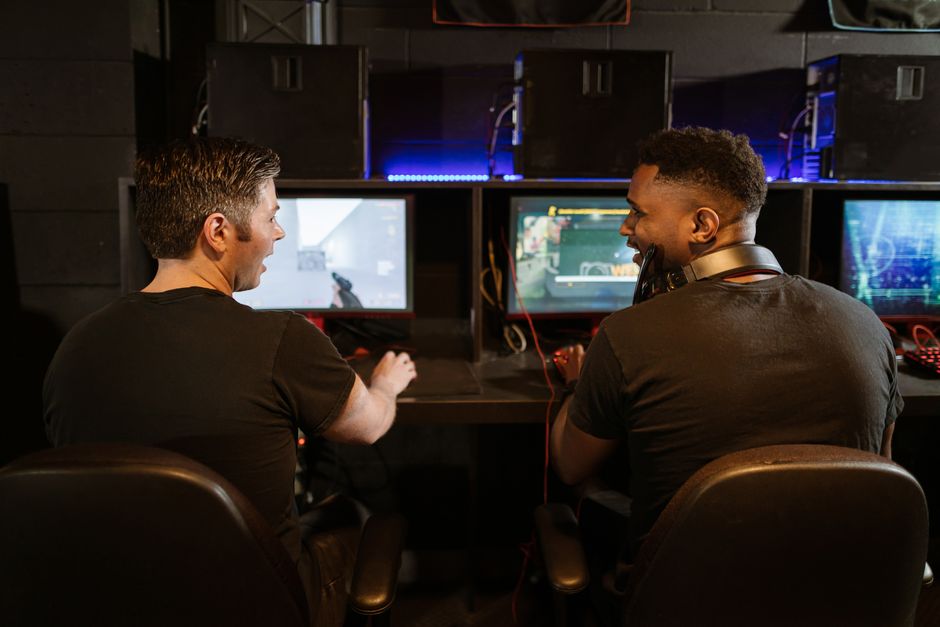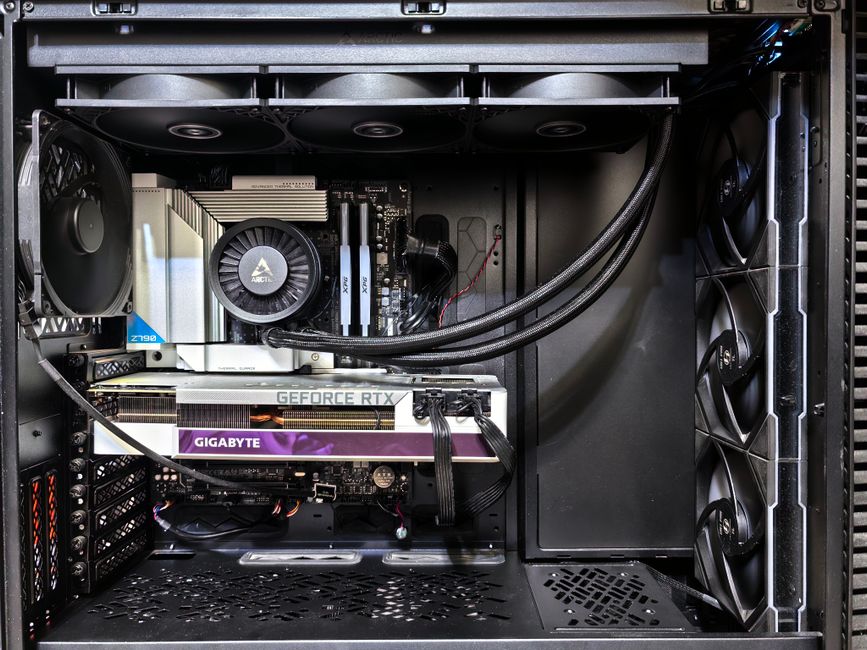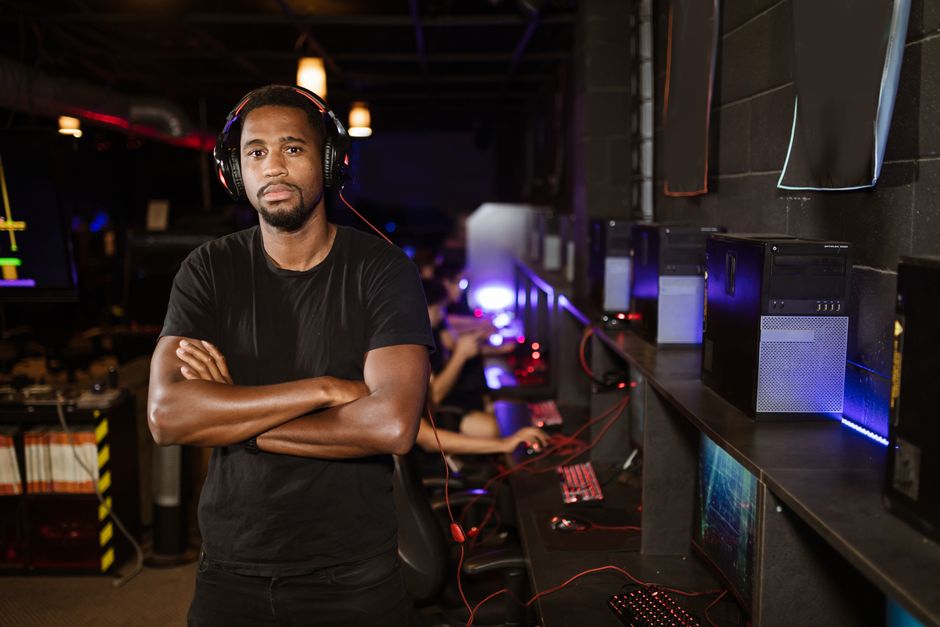










In the world of gaming, having the right hardware can make all the difference. As technology advances, the options for building a personal gaming PC have become more accessible and customizable than ever before. This guide will walk you through the essential components, considerations, and steps to create your perfect gaming rig.
Understanding Your Needs
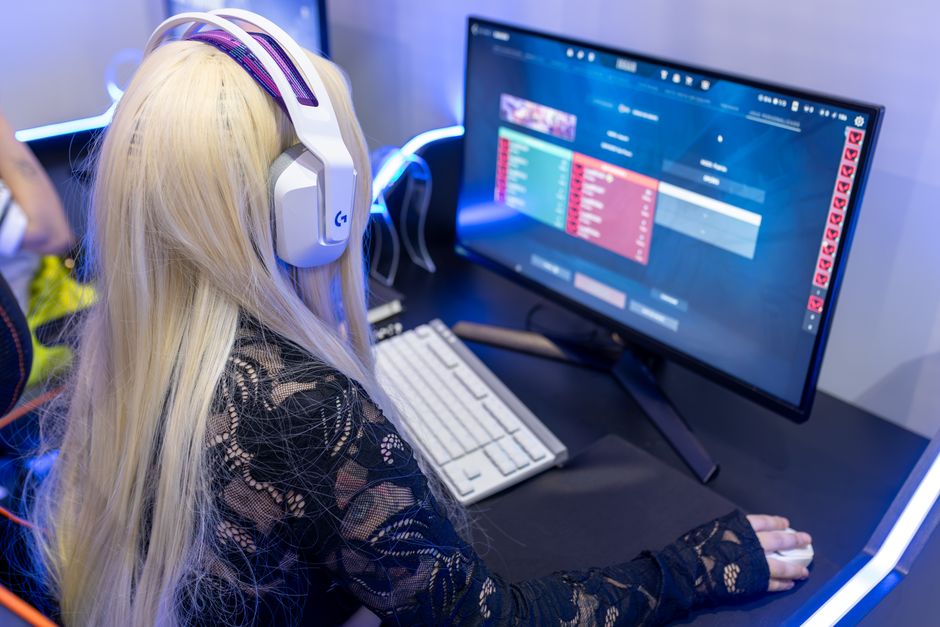
Before diving into the world of components and specifications, it’s crucial to understand your personal gaming needs. Are you a casual gamer, or do you lean towards competitive gaming? Your answer will influence your choice of parts significantly.
For instance, if you’re into demanding titles like Cyberpunk 2077 or Call of Duty: Warzone, a high-performance graphics card and a powerful processor will be essential. On the other hand, if your gaming primarily involves less intensive games, you might be able to save on certain components.
Choosing the Right Components
Building a gaming PC starts with selecting the right components, each serving a vital role in the overall performance of your machine. The primary components you will need to consider are the CPU, GPU, RAM, storage, and motherboard.
The CPU, or central processing unit, acts as the brain of your computer. For gaming, a processor with multiple cores and high clock speeds is ideal. Popular choices among gamers include Intel’s i7 and i9 series or AMD’s Ryzen 7 and 9 series.
The GPU, or graphics processing unit, is arguably the most critical component for gaming. A powerful GPU ensures that games run smoothly and look stunning. Brands like NVIDIA and AMD offer a range of options catering to different budgets and performance levels.
RAM is also essential; 16GB is typically the sweet spot for gaming, although 32GB might be preferred for multitasking or streaming. Storage options include traditional hard drives (HDD) and faster solid-state drives (SSD), with SSDs providing quicker load times that enhance your gaming experience.
Assembly Process
Once you have gathered all your components, the next step is to assemble your gaming PC. This process can be daunting, but with patience and attention to detail, it can also be incredibly rewarding.
Start by installing the CPU onto the motherboard, followed by the RAM and GPU. Next, mount the motherboard into the case and connect the power supply. Ensure all cables are managed neatly to promote airflow and prevent overheating.
Finally, install your storage drives and connect everything accordingly. Once the hardware is assembled, you can proceed to install the operating system and drivers. This step is crucial, as it ensures your PC runs smoothly with the latest updates.
Testing and Optimization
After assembling your gaming PC, testing its performance is essential. Running benchmarking software can help you assess whether the components are functioning as intended. Pay attention to temperatures, frame rates, and overall performance during gameplay.
If you notice any issues, such as overheating or poor performance, consider optimizing your system. This could involve adjusting the settings in your BIOS, improving airflow within your case, or even overclocking your components for better performance.
Regular maintenance is also vital for keeping your gaming PC in top shape. Cleaning dust from the components and ensuring that your software is up-to-date will extend the life of your machine.
Where to Find Resources
Building a gaming PC can be an intimidating task, but fortunately, there are numerous resources available to assist you. Websites dedicated to PC building, like gaming PC builder, provide valuable information on compatible components, pricing, and user reviews.
Additionally, community forums and YouTube channels offer tutorials, tips, and real-world experiences that can guide you through the building process. Engaging with these resources can enhance your understanding and confidence as you embark on your PC-building journey.
Conclusion
Creating your own gaming PC is not only a rewarding experience but also allows you to tailor your machine to fit your unique gaming style. By understanding your needs, selecting the right components, and following the assembly process meticulously, you can build a powerful gaming rig that will serve you well for years to come. Embrace the journey, and enjoy the thrill that comes with building your dream gaming PC!