










Psychiatric hospitals play a crucial role in the mental health care system, providing specialized treatment for individuals suffering from various mental health conditions. These facilities are designed to offer a safe and therapeutic environment for patients, focusing on recovery and rehabilitation. In this article, we will explore the functions, benefits, and challenges associated with psychiatric hospitals, as well as their impact on patients and the broader community.
What is a Psychiatric Hospital?
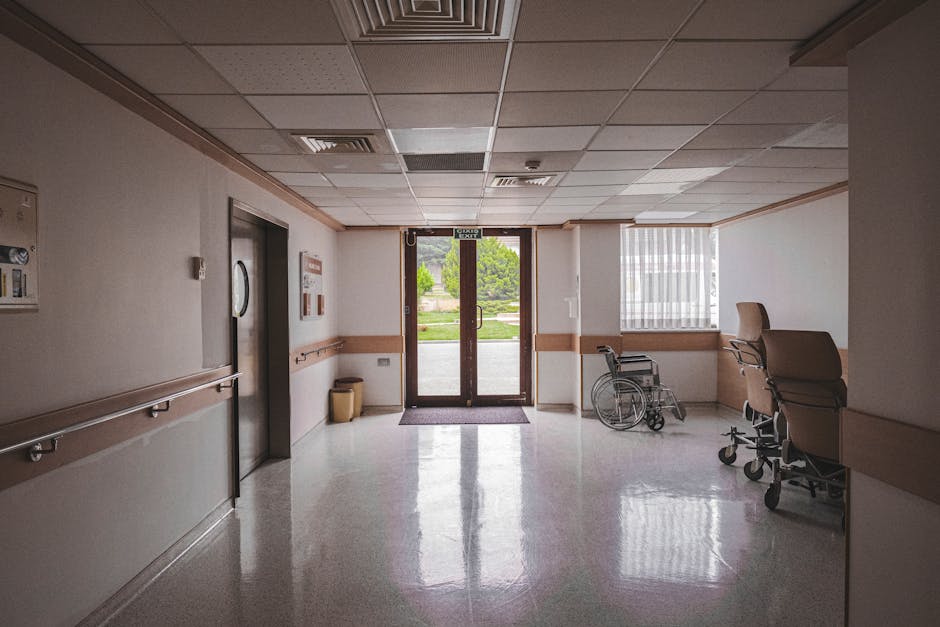
A psychiatric hospital, also known as a mental health facility, is a healthcare institution that specializes in the diagnosis, treatment, and management of mental illnesses. These hospitals are equipped with trained professionals who understand the complexities of mental health disorders. Patients are admitted for various reasons, including severe depression, anxiety disorders, schizophrenia, bipolar disorder, and substance abuse issues.
Typically, psychiatric hospitals provide a range of services, including individual therapy, group therapy, medication management, and crisis intervention. They aim to stabilize patients during acute episodes and prepare them for ongoing outpatient care or community support systems.
In many cases, psychiatric hospitals are associated with the stigma surrounding mental illness. However, these institutions are vital in helping individuals regain control of their lives and improve their overall well-being. The care provided can significantly reduce the risk of self-harm or harm to others, making these facilities essential for public health.
The Importance of Specialized Care
One of the primary advantages of psychiatric hospitals is their focus on specialized care. Mental health professionals, including psychiatrists, psychologists, and social workers, work together to create tailored treatment plans for each patient. This collaborative approach ensures that individuals receive comprehensive care that addresses their unique needs.
For example, a patient diagnosed with bipolar disorder may require a combination of medication to stabilize mood swings and psychotherapy to develop coping strategies. This integrated treatment model is often more effective than traditional approaches, which may not take the whole individual into account.
Furthermore, psychiatric hospitals frequently engage in research and training, contributing to the advancement of mental health care practices. This ongoing education helps to ensure that staff are up-to-date with the latest treatment methodologies and therapeutic techniques.
Challenges Faced by Psychiatric Hospitals
While psychiatric hospitals offer essential services, they also face numerous challenges. One significant issue is the shortage of mental health professionals, particularly in underserved areas. This scarcity can lead to long wait times for admissions and limited access to care for those in need.
Additionally, funding for psychiatric hospitals is often inadequate, which can affect the quality of care provided. Many facilities struggle to maintain adequate staffing levels and resources, leading to increased pressure on existing staff and potentially compromising patient care.
Another challenge is the stigma associated with mental illness, which can deter individuals from seeking help. Many people fear the label of being admitted to a psychiatric hospital, which can prevent them from accessing necessary treatment. Raising awareness about mental health and promoting a more positive image of psychiatric facilities is crucial in overcoming these barriers.
Success Stories and Positive Outcomes
Despite the challenges, there are numerous success stories that highlight the positive impact of psychiatric hospitals on patients’ lives. Many individuals who have received treatment in these facilities report significant improvements in their mental health and overall quality of life.
For instance, a study published in the Journal of Psychiatric Research found that patients who participated in structured treatment programs at psychiatric hospitals had lower rates of relapse and hospitalization compared to those receiving outpatient care alone. This underscores the importance of intensive, focused treatment in a supportive environment.
Moreover, many psychiatric hospitals have implemented innovative programs that promote recovery and rehabilitation. These may include vocational training, art therapy, and mindfulness practices, all of which empower patients to develop new skills and reintegrate into society.
The Future of Psychiatric Hospitals
Looking ahead, the future of psychiatric hospitals is likely to be shaped by ongoing advancements in mental health care. Teletherapy and telepsychiatry are emerging as valuable tools that can expand access to care and enhance treatment options for patients. This is particularly important in light of the increasing demand for mental health services.
Furthermore, there is a growing recognition of the importance of holistic approaches to mental health. Integrating physical health care with mental health treatment will be crucial in addressing the complexities of mental health disorders and ensuring comprehensive care for patients.
As public awareness of mental health issues continues to grow, it is essential for psychiatric hospitals to adapt and evolve. By fostering an environment of understanding and support, these facilities can help reduce stigma and encourage more individuals to seek the help they need.
Conclusion
Psychiatric hospitals are an essential component of the mental health care system, providing specialized treatment and support for individuals facing mental health challenges. While these facilities encounter various obstacles, their positive impact on patients’ lives cannot be overstated. By continuing to advocate for mental health awareness and improving access to care, we can ensure that psychiatric hospitals remain a vital resource for those in need. For those seeking assistance, finding a Psychiatrist dubai can be a crucial step towards recovery and improved mental health.