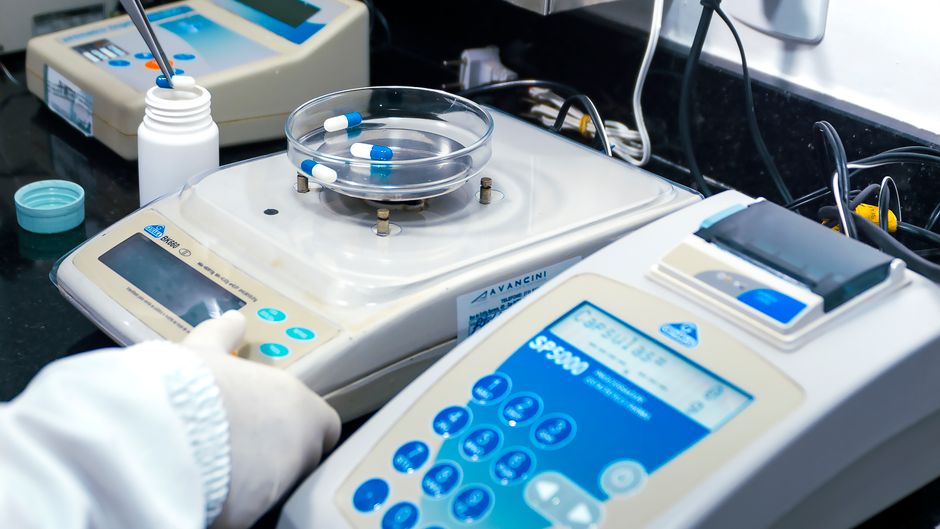










In today’s fast-paced world, drug testing services play a crucial role in various sectors, including employment, healthcare, and law enforcement. This article delves into the significance of these services, their methodologies, and their impact on society.
What Are Drug Testing Services?

Drug testing services refer to the processes and procedures used to detect the presence of drugs in an individual’s system. These services can be utilized in several contexts, such as pre-employment screenings, random testing in workplaces, or in clinical environments for therapeutic monitoring. The primary goal is to ensure safety, compliance, and well-being.
The tests can vary in complexity, from simple urine tests to more sophisticated methods like blood tests or hair follicle analysis. Each method has its own advantages and specific applications, making it essential for organizations to choose the right one based on their unique needs.
For instance, urine tests are the most common due to their cost-effectiveness and ease of administration. However, they may not detect certain substances, thus necessitating alternative methods for comprehensive monitoring.
The Role of Drug Testing in Employment
One of the most significant applications of drug testing services is in the employment sector. Many companies implement drug screening policies to create a safe workplace and mitigate risks associated with substance abuse. According to the Substance Abuse and Mental Health Services Administration (SAMHSA), approximately 70% of the 14 million Americans who are dependent on alcohol and drugs are employed.
By conducting regular drug tests, employers can identify employees who may pose a risk to themselves and others. This not only enhances workplace safety but also improves productivity, as employees are less likely to engage in risky behaviors when they know they are subject to testing.
Moreover, organizations that implement drug testing services may benefit from decreased healthcare costs and lower turnover rates. This can lead to significant financial savings and a more stable workforce.
The Impact on Healthcare
In healthcare, drug testing services are invaluable for monitoring patients undergoing treatment for substance abuse or chronic pain. By regularly testing patients, healthcare providers can ensure adherence to prescribed medications and prevent misuse.
Additionally, drug testing can help in identifying potential drug interactions that may pose risks to patients. For example, a patient taking opioids for pain management may require regular monitoring to prevent the development of dependency or overdose. Effective use of drug testing services can facilitate timely interventions and adjustments in treatment plans.
Statistics show that about 25% of patients misuse prescription medications, making drug testing an essential component of responsible healthcare practices.
Legal and Forensic Applications
Drug testing services also play a critical role in the legal and forensic fields. Law enforcement agencies often rely on drug tests to establish drug use in criminal cases or accidents. For example, post-accident drug testing can help determine whether substance use was a contributing factor to the incident.
Furthermore, drug testing is crucial in child custody cases, where determining a parent’s substance use is necessary for safeguarding children’s welfare. Courts often mandate drug testing to ensure compliance with rehabilitation programs or probation.
The legal implications of drug testing are profound, as they can significantly influence rulings and outcomes in various cases. Thus, the integrity and accuracy of drug testing services are paramount in these situations.
Choosing the Right Drug Testing Service
When selecting a drug testing service, organizations should consider several factors, including the types of tests offered, turnaround times, and the provider’s reputation. A reliable service will offer comprehensive testing options, such as the drug testing service that includes a variety of methodologies to meet different needs.
Additionally, organizations should ensure that the testing processes comply with federal and state regulations. This is critical not only for legal compliance but also for maintaining trust with employees and stakeholders.
Finally, transparency and communication with employees regarding drug testing policies can foster a culture of safety and accountability within the workplace.
Conclusion
In conclusion, drug testing services are an essential aspect of modern society, impacting various sectors from employment to healthcare and law enforcement. By understanding the importance and implications of these services, organizations can make informed decisions that promote safety, compliance, and overall well-being. As the landscape of substance use evolves, so too must the approaches to drug testing, ensuring that they remain effective and relevant in addressing the challenges of today.