










The journey to restoring your hair can be a daunting one, filled with questions about techniques, costs, and results. Hair transplants have emerged as a popular solution for those struggling with hair loss, offering a permanent solution that many find appealing. In this article, we will explore the different methods of hair transplantation, what to expect during the procedure, and the factors influencing the overall success of the treatment.
Understanding Hair Loss
Before diving into hair transplants, it’s essential to understand the underlying causes of hair loss. Various factors contribute to hair thinning, including genetics, hormonal changes, and environmental influences. According to the American Academy of Dermatology, around 80 million Americans experience hair loss, with men being particularly affected by male pattern baldness.
Genetic predisposition plays a significant role in hair loss, making it important to assess family history when considering a transplant. Other factors such as stress, medical conditions, and nutritional deficiencies can also exacerbate hair loss, highlighting the need for a comprehensive approach to treatment.
Types of Hair Transplant Techniques
There are two primary techniques for hair transplantation: Follicular Unit Transplantation (FUT) and Follicular Unit Extraction (FUE). Both methods involve harvesting hair follicles from a donor area, typically the back of the scalp, and transplanting them to balding or thinning areas.
FUT involves removing a strip of scalp, from which individual follicular units are dissected and transplanted. This method may leave a linear scar but can be beneficial for those needing a larger number of grafts in one session. On the other hand, FUE involves extracting individual hair follicles directly from the scalp, leaving minimal scarring and a quicker recovery time.
Both techniques have their pros and cons, and the choice often depends on the patient’s specific needs and preferences. It’s crucial to consult with a qualified specialist to determine the best method for you.
What to Expect During the Procedure
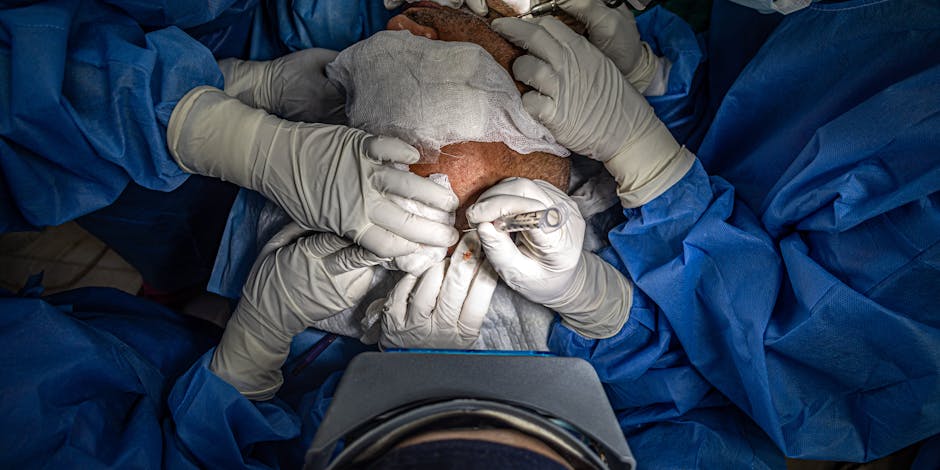
The hair transplant procedure typically lasts between 4 to 8 hours, depending on the number of grafts needed. Before the surgery, patients receive local anesthesia to minimize discomfort. Surgeons will then carefully implant the hair follicles into the recipient area, ensuring a natural-looking result.
Post-procedure, patients may experience some swelling and discomfort, which usually subsides within a few days. It’s important to follow the aftercare instructions provided by your surgeon to ensure optimal healing. Most patients can return to their regular activities within a week, although full results may take several months to appear.
Cost Considerations and Financing Options
The cost of hair transplants can vary significantly based on factors such as the technique used, the number of grafts required, and the surgeon’s expertise. On average, patients can expect to pay between $4,000 to $15,000 for a hair transplant procedure.
Many clinics offer financing options to make treatment more accessible. Patients should inquire about payment plans that allow them to break down the cost into manageable monthly payments. Additionally, some insurance plans may cover a portion of the costs if the procedure is deemed medically necessary.
It’s vital to research and choose a reputable clinic that provides transparent pricing and comprehensive care. For those considering an international option, hair transplant istanbul has gained popularity due to competitive pricing and high-quality services.
Long-term Results and Maintenance
One of the most significant advantages of hair transplants is their long-lasting results. Once the transplanted hair follicles establish themselves, they continue to grow for a lifetime. However, it’s essential to maintain a healthy lifestyle and hair care routine to support overall hair health.
Regular follow-ups with your surgeon can help monitor the results and address any concerns that may arise post-transplant. Some patients may also choose to incorporate additional treatments, such as PRP therapy or minoxidil, to enhance their results and prevent further hair loss.
Conclusion
Hair transplants can be an effective solution for those facing hair loss, providing a natural-looking and long-lasting result. Understanding the different techniques, what to expect during the procedure, and the costs involved can help you make informed decisions. Always consult with qualified professionals and consider all your options to achieve the best possible outcome for your hair restoration journey.