










Bedbugs are notorious pests that can invade homes and disrupt lives. Their presence can lead to sleepless nights and a feeling of helplessness, as these tiny creatures are masters of hiding and reproducing quickly. In recent years, the resurgence of bedbug infestations has prompted many to seek effective extermination methods. Understanding the biology of bedbugs and employing proper treatment methods is crucial for a successful eradication.
Understanding Bedbugs: Biology and Behavior
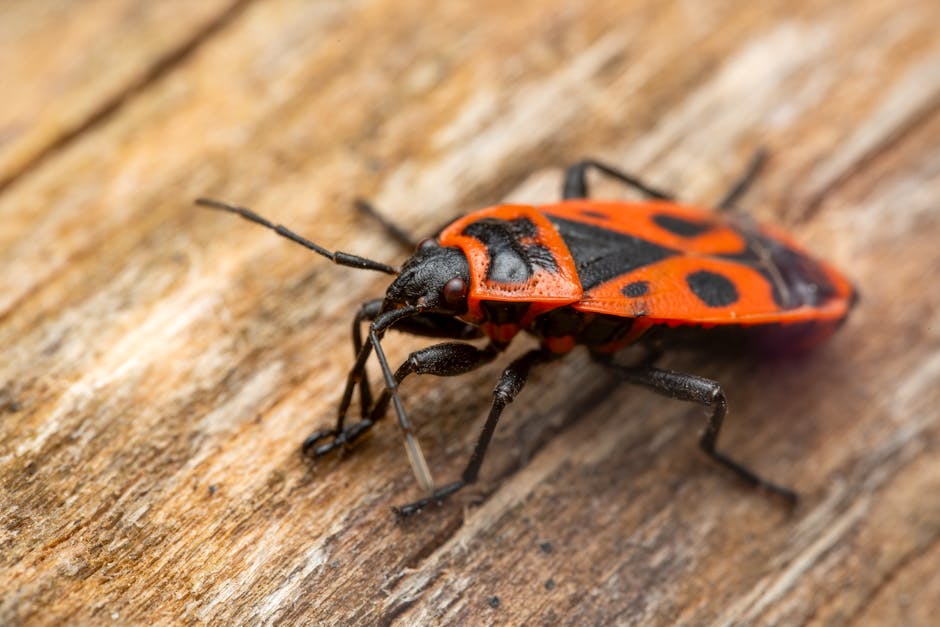
Bedbugs, scientifically known as Cimex lectularius, are small, wingless insects that feed on the blood of humans and animals. Adult bedbugs are about the size of an apple seed and can live for months without feeding. This resilience, coupled with their ability to hide in tiny crevices, makes them challenging to eliminate. Bedbugs typically come out at night, making it difficult to detect their presence until the infestation is severe.
Bedbugs reproduce quickly, with females laying up to five eggs per day. These eggs are often hidden in seams of mattresses, cracks in furniture, and other concealed areas. Understanding their life cycle is essential for effective extermination, as treatments must target not only the adults but also the eggs and nymphs.
Signs of Infestation
Recognizing the signs of a bedbug infestation early can significantly improve the chances of successful extermination. Common indicators include:
- Small, reddish-brown spots on bedding, which are often blood stains or fecal matter.
- Itchy, red bites on the skin, typically arranged in a line or cluster.
- Presence of shed exoskeletons, which indicate that bedbugs are molting.
If you suspect an infestation, it is crucial to act swiftly. Delaying treatment can lead to a more extensive and challenging problem.
Effective Bedbug Extermination Methods
When it comes to bedbug extermination, there are several methods to consider. One of the most effective strategies is a combination of chemical and non-chemical treatments. bed bug treatment often involves the following steps:
- Inspection: A thorough inspection of the premises is necessary to identify infested areas.
- Preparation: Before treatment, residents should declutter and wash bedding and clothing at high temperatures.
- Treatment: This can include heat treatment, where items are heated to a temperature that kills bedbugs, or the application of insecticides specifically designed for bedbugs.
- Monitoring: After treatment, continuous monitoring is essential to ensure that the infestation has been fully eradicated.
Each method has its pros and cons, and often, a combination of approaches yields the best results. Consulting with pest control professionals can provide tailored solutions based on the severity of the infestation.
Preventive Measures to Avoid Future Infestations
Prevention is key to avoiding future bedbug problems. Here are some effective strategies:
- Regularly inspect your home, especially after traveling or bringing in second-hand furniture.
- Use protective covers on mattresses and box springs to reduce hiding places.
- Seal cracks and crevices in walls and furniture to limit bedbug entry points.
- Be cautious when using shared laundry facilities, as bedbugs can hitch a ride on clothing.
Implementing these preventive measures can significantly reduce the risk of re-infestation and ensure a peaceful living environment.
Conclusion: Take Action Against Bedbugs
Bedbug infestations can be daunting, but with the right knowledge and strategies, they can be effectively managed and eradicated. Early detection, comprehensive treatment, and diligent preventive measures are essential to reclaiming your space from these unwelcome pests. If you find yourself overwhelmed by a bedbug problem, consider reaching out to professionals who specialize in pest control. With their expertise, you can ensure a successful and thorough extermination.