










In recent years, LED technology has revolutionized the way we illuminate our spaces. From homes to commercial buildings, the demand for energy-efficient lighting solutions has surged. This article explores the numerous benefits of LED lighting, its applications, and the future of this innovative technology.
Understanding LED Technology
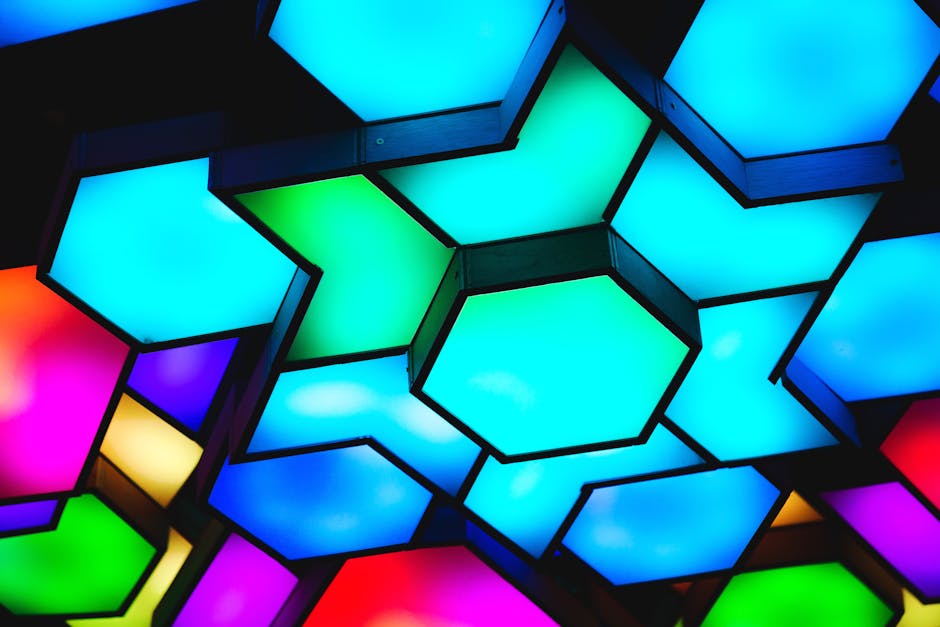
LED, or Light Emitting Diode, is a semiconductor device that emits light when an electric current passes through it. Unlike traditional incandescent bulbs, which produce light by heating a filament, LEDs convert electricity directly into light, making them far more efficient.
The efficiency of LED lighting is one of its most significant advantages. According to the U.S. Department of Energy, LEDs use at least 75% less energy than incandescent lighting, which can lead to substantial savings on energy bills. Additionally, LEDs have a longer lifespan, lasting up to 25 times longer than traditional bulbs.
Another benefit of LED technology is its versatility. LEDs are available in various colors and can be dimmed, allowing for customizable lighting solutions. This adaptability makes them suitable for various applications, from residential lighting to complex commercial setups.
Applications of LED Lighting
The applications of LED lighting are vast and varied. One of the most common uses is in residential settings, where homeowners are increasingly opting for LED bulbs to reduce energy consumption and costs. Additionally, LED strip lights are gaining popularity for decorative purposes, such as under cabinet lighting in kitchens or accent lighting in living rooms.
In commercial settings, LEDs are used for both functional and aesthetic purposes. Retailers often utilize LED lighting to create an inviting atmosphere that showcases their products effectively. Furthermore, outdoor spaces benefit from LED streetlights, which enhance visibility and safety while reducing energy consumption.
Another innovative application of LEDs is in horticulture. Grow lights using LED technology provide the necessary light spectrum for plants, promoting growth while consuming less energy than traditional grow lights. This application is particularly beneficial for indoor farming and greenhouse setups.
The Environmental Impact of LEDs
The environmental benefits of LED lighting cannot be overstated. By significantly reducing energy consumption, LEDs contribute to lower greenhouse gas emissions. The U.S. Department of Energy estimates that widespread adoption of LED lighting could prevent greenhouse gas emissions equivalent to that of 44 million cars.
Moreover, LEDs do not contain toxic materials like mercury, which is found in some traditional lighting options. This makes them safer for both users and the environment. The disposal of LEDs is also less harmful, as they can be recycled more easily than their incandescent counterparts.
As society becomes increasingly aware of environmental issues, the shift towards LED lighting represents a crucial step in promoting sustainability and reducing our carbon footprint.
The Future of LED Technology
The future of LED technology looks promising, with continuous advancements being made in the field. Research is underway to develop even more energy-efficient LEDs and to explore new applications, such as smart lighting systems that integrate with home automation technologies.
Additionally, the integration of LEDs with renewable energy sources, such as solar power, presents exciting possibilities. Solar-powered LED lights can provide illumination in remote areas without access to traditional power sources, enhancing safety and quality of life.
Furthermore, the rise of smart cities is expected to drive the demand for LED technology. Smart streetlights equipped with sensors can adapt their brightness based on pedestrian and vehicular traffic, optimizing energy usage and enhancing urban environments.
Conclusion
LED technology has transformed the lighting industry and continues to lead the way towards a more sustainable future. Its energy efficiency, versatility, and environmental benefits make it an ideal choice for various applications. As advancements in LED technology progress, we can expect even more innovative solutions that will enhance our lives while minimizing our environmental impact. Embracing LEDs is not just a smart economic decision; it is also a commitment to a brighter, more sustainable future. For those looking to enhance their lighting solutions, exploring options like benzi LED RGB can offer both functionality and style.