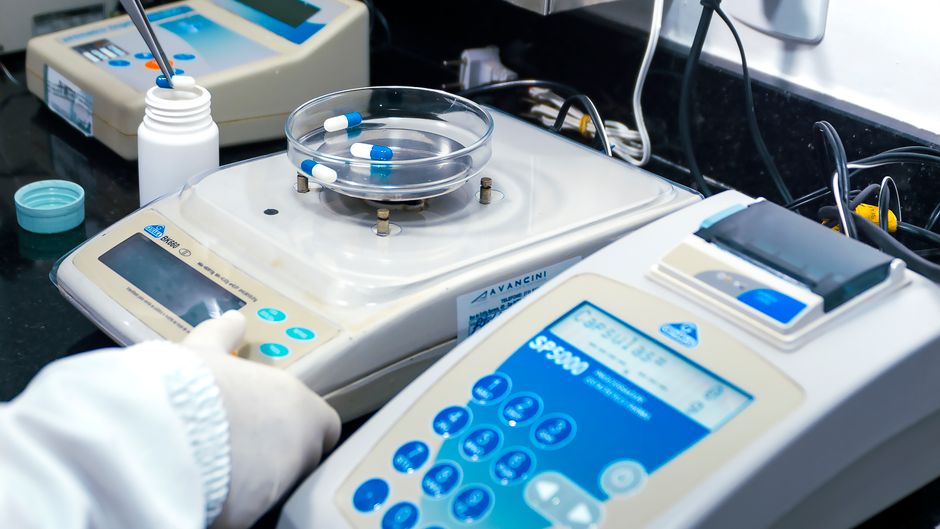










In today’s world, maintaining a drug-free environment is crucial for both workplaces and communities. Drug testing services play an essential role in ensuring this by providing reliable and efficient testing solutions. This article delves into the significance of these services, how they operate, and their impact on various sectors.
What Are Drug Testing Services?

Drug testing services refer to the processes and methodologies used to detect the presence of illegal substances or alcohol in an individual’s system. They encompass a wide range of testing options, including urine, saliva, blood, and hair tests. Each method has its own advantages and disadvantages, making it essential for organizations to choose the right one based on their specific needs.
For instance, urine testing is one of the most common methods due to its cost-effectiveness and ease of administration. In contrast, hair testing can provide a longer detection window, making it suitable for certain scenarios. Understanding the various types of drug testing services allows organizations to implement effective policies that promote safety and compliance.
The Role of Drug Testing in the Workplace
Implementing drug testing services in the workplace can significantly enhance safety and productivity. Many industries, particularly those with safety-sensitive positions, require regular testing to minimize the risk of accidents and injuries. Studies have shown that workplaces that enforce strict drug testing policies experience fewer accidents and lower healthcare costs.
According to the Substance Abuse and Mental Health Services Administration (SAMHSA), drug testing can deter substance abuse and promote a healthier work environment. Companies that invest in these services often see a reduction in absenteeism and an increase in overall employee morale. This is because employees feel safer knowing that their colleagues are not under the influence of drugs while performing critical tasks.
Legal and Ethical Considerations
While drug testing services offer numerous benefits, they also come with legal and ethical challenges. Organizations must navigate various laws and regulations that govern drug testing in the workplace. For instance, the Americans with Disabilities Act (ADA) mandates that employers cannot discriminate against employees based on their drug use unless it directly impacts their job performance.
Moreover, privacy concerns also arise when implementing drug testing services. Employers need to ensure that testing is conducted fairly and transparently, protecting the rights of their employees. Clear communication about the purpose and procedures of drug testing can alleviate concerns and foster a culture of trust within the organization.
Choosing the Right Drug Testing Service Provider
When selecting a drug testing service provider, organizations should consider various factors, including the provider’s reputation, the range of testing options available, and their adherence to regulatory standards. A reliable provider will offer comprehensive services, including collection, testing, and reporting, ensuring compliance with industry regulations.
Furthermore, organizations should seek providers that use advanced technology and methods to ensure accurate results. For example, some providers utilize drug testing services that incorporate innovative techniques to minimize the chance of false positives. This is crucial for maintaining the integrity of the testing process and upholding employee trust.
Future Trends in Drug Testing Services
The landscape of drug testing services is continually evolving, influenced by advancements in technology and changing societal attitudes toward drug use. One notable trend is the increasing use of oral fluid testing, which offers quicker results and is less invasive than traditional methods.
Additionally, as more states legalize marijuana, organizations are re-evaluating their drug testing policies. Many are shifting towards a more holistic approach that considers the context of drug use rather than simply penalizing employees for positive tests. This shift reflects a growing understanding of addiction as a health issue rather than a moral failing.
Conclusion
In conclusion, drug testing services are a vital component of maintaining safety and compliance in various sectors, particularly in the workplace. By understanding the different types of testing available, the legal and ethical implications, and the importance of choosing a reputable provider, organizations can effectively implement drug testing policies that promote a drug-free environment. As the industry continues to evolve, staying informed about the latest trends and best practices will be essential for maximizing the benefits of drug testing services.