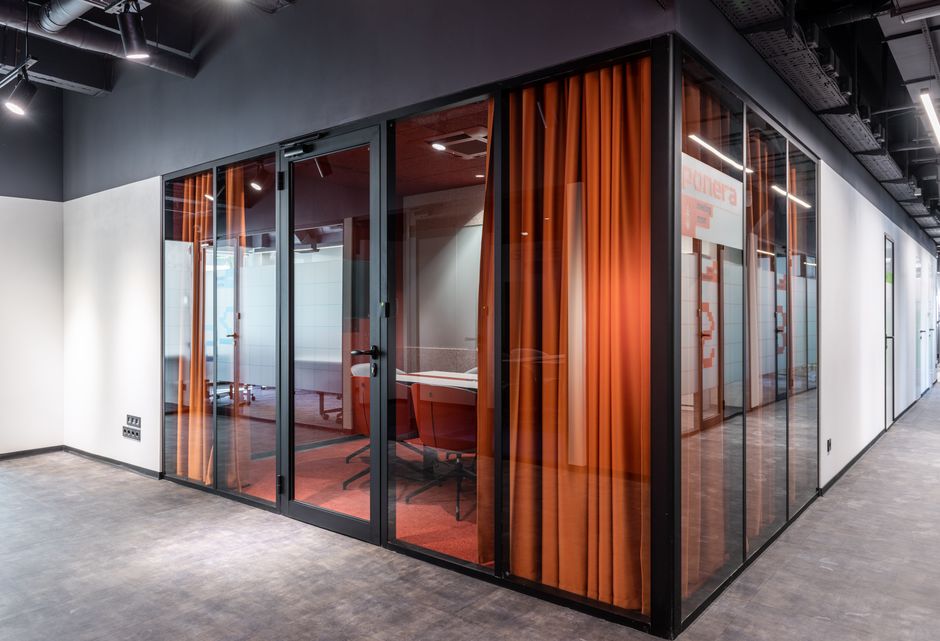










As the world grapples with the pressing challenges of climate change and environmental degradation, the architecture industry is undergoing a significant transformation. Sustainable architecture has emerged as a vital approach to designing buildings that not only meet the needs of their occupants but also minimize their impact on the environment. This shift is driven by a new generation of architects who prioritize sustainability in their designs, creating spaces that harmonize with nature while promoting energy efficiency and resource conservation.
Understanding Sustainable Architecture

Sustainable architecture refers to a design philosophy that seeks to reduce the negative environmental impact of buildings through thoughtful design, material selection, and construction practices. This includes considerations such as energy efficiency, water conservation, and the use of sustainable materials. Architects in this field aim to create spaces that are not only functional and aesthetically pleasing but also contribute positively to their surroundings.
One of the key principles of sustainable architecture is the use of renewable energy sources. Many sustainable architecture firms incorporate solar panels, wind turbines, and other renewable energy technologies into their designs, allowing buildings to generate their own energy and reduce dependence on fossil fuels. For example, the Bullitt Center in Seattle is often referred to as the greenest commercial building in the world, featuring a rooftop solar array that produces more energy than the building consumes.
Additionally, sustainable architecture emphasizes the importance of using locally sourced materials to reduce transportation emissions and support local economies. By choosing materials that are durable, recyclable, and environmentally friendly, architects can create structures that are not only sustainable but also contribute to the well-being of the community.
The Role of Technology in Sustainable Design
Advancements in technology have played a crucial role in the evolution of sustainable architecture. Building Information Modeling (BIM) and other digital design tools allow architects to analyze the environmental impact of their designs early in the process. This enables them to make informed decisions about materials, energy usage, and overall building performance.
Moreover, smart building technologies are increasingly being integrated into sustainable architecture. These systems can optimize energy use, monitor environmental conditions, and enhance the comfort of occupants. For instance, the Edge in Amsterdam, known for its innovative use of smart technologies, boasts an intelligent energy system that adjusts lighting, heating, and cooling based on real-time occupancy data.
Case Studies of Leading Sustainable Architecture Firms
Numerous sustainable architecture firms are leading the way in innovative design. One notable example is Studio Gang, known for its commitment to community engagement and sustainable practices. Their Aqua Tower in Chicago not only features green terraces that promote biodiversity but also utilizes rainwater harvesting systems to reduce water consumption.
Another exemplary firm is Foster + Partners, whose work on the Apple Park in Cupertino showcases the integration of sustainable design principles. The campus is powered entirely by renewable energy and is surrounded by an extensive landscape designed to enhance biodiversity and provide a natural habitat for local wildlife.
These firms demonstrate that sustainable architecture can achieve remarkable aesthetic and functional outcomes, proving that environmental responsibility and innovative design can go hand in hand.
The Future of Sustainable Architecture
The future of sustainable architecture looks promising as more architects and clients recognize the importance of environmentally responsible design. With increasing regulations and incentives aimed at reducing carbon footprints, the demand for sustainable architecture continues to grow. According to a report by the World Green Building Council, the global green building market is expected to reach $24 trillion by 2030, indicating a significant shift in how we approach construction and design.
Furthermore, as public awareness of climate change rises, consumers are increasingly seeking out sustainable options in all aspects of life, including housing and commercial spaces. This trend is encouraging more architects to adopt sustainable practices and seek certifications such as LEED (Leadership in Energy and Environmental Design) for their projects.
As the architecture industry embraces this transformation, firms that prioritize sustainability will not only thrive but also lead the charge in creating a more sustainable future for generations to come. For those looking to understand more about the benefits of this approach, partnering with a sustainable architecture firm can provide valuable insights and innovative design solutions.
Conclusion
The rise of sustainable architecture firms marks a pivotal moment in the evolution of building design. By prioritizing environmental responsibility, these firms are reshaping the way we think about architecture and its relationship with the natural world. As we move forward, it is essential for both architects and clients to embrace sustainable practices, ensuring that our built environment contributes positively to the planet and the communities we inhabit.