










In today’s digital age, e-commerce has transformed the way we shop, and Amazon stands at the forefront of this evolution. For many aspiring entrepreneurs, the Amazon FBA (Fulfillment by Amazon) program offers a golden opportunity to tap into this massive marketplace. However, navigating the complexities of Amazon FBA can be daunting without the right knowledge and tools. This article will delve into the essentials of starting your Amazon FBA journey, the benefits it offers, and how specific courses can accelerate your learning curve.
Understanding Amazon FBA
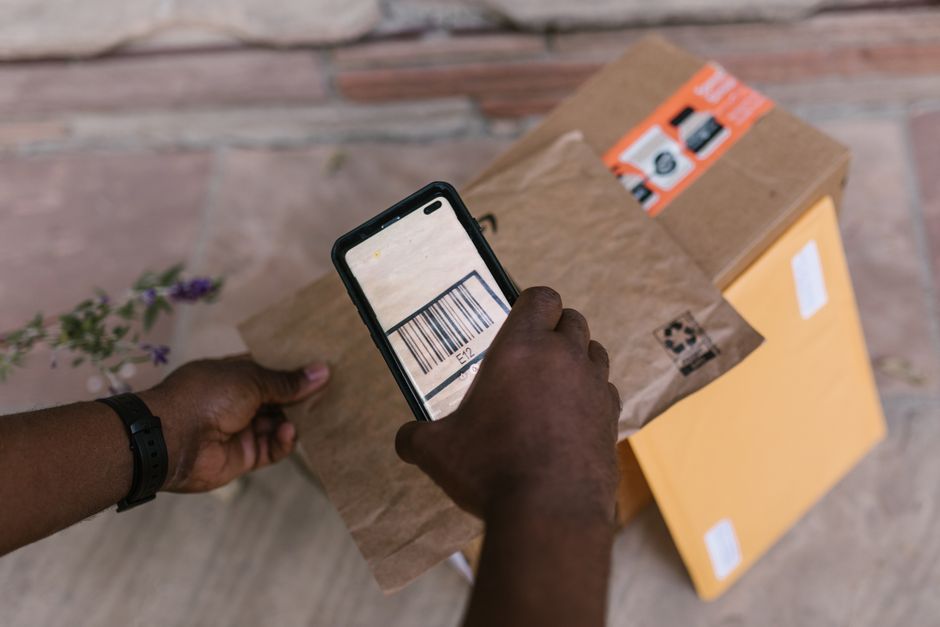
Amazon FBA allows sellers to store their products in Amazon’s fulfillment centers, where Amazon takes care of storage, packaging, and shipping. This means that sellers can focus on sourcing and marketing their products, while Amazon manages the logistics. This service is particularly beneficial for small business owners who may not have the resources to handle fulfillment on their own.
According to Amazon, over 2.5 million sellers use FBA, and those who leverage this service see an average sales increase of 30%. This statistic highlights the importance of understanding how FBA works and the potential it holds for boosting sales.
Moreover, the integration of FBA with Amazon Prime allows sellers to reach a broader audience. Customers are more likely to purchase products that are Prime-eligible due to the trust and convenience associated with fast shipping. Therefore, understanding Amazon FBA is crucial for anyone looking to succeed in the e-commerce landscape.
The Benefits of Taking an Amazon FBA Course
One of the best ways to get started with Amazon FBA is by enrolling in a course specifically designed to teach the ins and outs of the program. These courses often cover a range of topics, from product research and listing optimization to marketing strategies and customer service.
For beginners, a structured course can provide a roadmap to success, alleviating the confusion that often accompanies starting a new venture. Amazon FBA course offers step-by-step instructions that can help you avoid common pitfalls and accelerate your learning process.
Additionally, many courses include access to a community of fellow learners and experienced sellers. This network can be invaluable for sharing insights, troubleshooting issues, and providing support as you embark on your FBA journey. Learning from others’ experiences can save you time and money in the long run.
Choosing the Right Products for Amazon FBA
One of the most critical components of a successful Amazon FBA business is selecting the right products to sell. Extensive research is necessary to identify trending products that have high demand and low competition. Utilizing tools like Jungle Scout or Helium 10 can provide data-driven insights into market trends and potential profitability.
Furthermore, understanding your target audience is essential. Conducting surveys or analyzing customer reviews can help you gauge preferences and pain points. This information will enable you to tailor your product offerings accordingly, increasing your chances of success.
Remember, the goal is not just to sell any product but to find a niche that resonates with consumers and stands out in the crowded Amazon marketplace.
Marketing Strategies for Amazon FBA Success
Once you have your products listed, effective marketing is crucial for driving sales. Amazon provides various advertising options, such as Sponsored Products and Sponsored Brands, which can enhance visibility and attract potential customers.
Additionally, leveraging social media platforms and content marketing can help build brand awareness and drive traffic to your Amazon listings. Engaging with your audience through informative blog posts, videos, or social media updates can create a loyal customer base.
Utilizing SEO best practices in your product listings, such as keyword optimization and high-quality images, can also improve your chances of ranking higher in search results. In the competitive world of Amazon FBA, every small improvement can lead to significant sales increases.
Scaling Your Amazon FBA Business
Once you’ve established a successful Amazon FBA business, the next step is scaling. This may involve expanding your product line, exploring new markets, or automating various aspects of your business. Many successful sellers reinvest their profits into new inventory or marketing efforts to continue growing their business.
Moreover, continuously monitoring your performance metrics is crucial. Tools like Amazon Seller Central provide insights into sales trends, customer feedback, and inventory levels. Staying proactive in addressing any issues can help maintain a positive customer experience and ensure steady growth.
Networking with other Amazon sellers can also provide valuable insights into scaling strategies. Sharing experiences and learning from others can help you navigate the complexities of growth more effectively.
Conclusion
Starting an Amazon FBA business can be a rewarding venture with the potential for significant profits. However, success requires a deep understanding of the program, effective product selection, and strategic marketing. By enrolling in a comprehensive course, you can gain the knowledge and skills necessary to thrive in this competitive landscape. Remember, continuous learning and adaptation are key to sustaining growth in your Amazon FBA journey.