










In the world of manufacturing, rubber molding plays a crucial role in creating durable and versatile products. The process involves shaping rubber into specific forms and is widely used across various industries, including automotive, medical, and consumer goods. Understanding the intricacies of rubber molding and the manufacturers behind these processes can provide insights into product quality and innovation.
The Basics of Rubber Molding
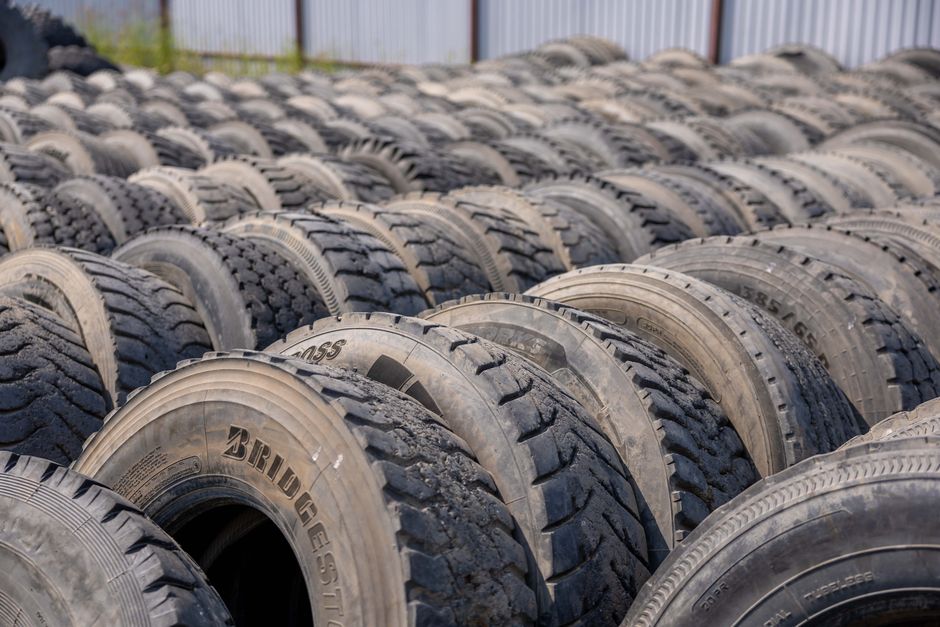
Rubber molding is a manufacturing process that involves shaping rubber into desired forms using heat and pressure. This technique can be applied to various types of rubber, including natural rubber and synthetic variants. The rubber is placed into a mold, and the application of heat causes it to cure and take the shape of the mold. This method is preferred for its ability to produce complex and high-precision components.
One of the key advantages of rubber molding is its efficiency. The process allows for the mass production of parts, which can significantly reduce manufacturing costs. Additionally, the use of rubber as a material offers excellent elasticity, durability, and resistance to environmental factors, making it suitable for numerous applications.
In the rubber molding industry, the choice of a reliable fabricante moldeo caucho is essential. Manufacturers must ensure that they use high-quality materials and maintain stringent quality control measures to produce reliable products.
Types of Rubber Molding Processes
There are several types of rubber molding processes, each with its unique advantages and applications. The most common methods include compression molding, transfer molding, and injection molding.
Compression molding is one of the oldest methods and involves placing raw rubber into a heated mold cavity. The heat and pressure cause the rubber to flow and fill the mold. This method is ideal for producing large parts with simple shapes but can be less efficient for intricate designs.
Transfer molding, on the other hand, involves pre-heating the rubber and placing it into a transfer pot. The rubber is then forced into the mold under pressure. This technique allows for greater design flexibility and is often used for complex parts. Injection molding is the most modern and efficient method, allowing for rapid production and high accuracy. It involves injecting rubber into a heated mold, resulting in superior surface finishes and tight tolerances.
Applications of Rubber Molding in Various Industries
Rubber molding finds applications in various industries, showcasing its versatility and reliability. In the automotive industry, rubber molded parts are used for gaskets, seals, and vibration dampeners. These components are crucial for ensuring vehicle performance and longevity.
In the medical field, rubber molding is employed to create components such as tubing, seals, and various other devices. The ability to produce sterile and biocompatible parts is essential in this industry, making reliable manufacturers critical.
Consumer goods also benefit from rubber molding, with items like kitchen utensils, toys, and sporting equipment being produced through this method. The durability and safety of rubber products make them popular choices for everyday use.
Choosing the Right Rubber Molding Manufacturer
Selecting the right rubber molding manufacturer is vital for ensuring product quality and performance. Potential customers should consider several factors when making this decision. First, it’s essential to evaluate the manufacturer’s experience and expertise in the industry. A well-established company with a solid track record is more likely to deliver high-quality products.
Quality control measures are another critical aspect to consider. Manufacturers should adhere to industry standards and have robust testing processes in place to ensure their products meet specifications. Certifications such as ISO 9001 can be indicators of a manufacturer’s commitment to quality.
Additionally, communication and customer service play significant roles in the manufacturing process. A manufacturer that is responsive and willing to collaborate with clients can help streamline production and address any issues that arise quickly.
Future Trends in Rubber Molding
The rubber molding industry is continually evolving, with new technologies and materials being introduced to improve efficiency and product quality. One notable trend is the increasing use of environmentally friendly materials, such as bio-based rubbers and recycled materials, which can help reduce the environmental impact of rubber products.
Automation and advanced manufacturing technologies are also shaping the future of rubber molding. The integration of robotics and artificial intelligence can enhance production speed and accuracy, allowing manufacturers to meet growing demand without compromising quality.
As industries continue to innovate, the role of rubber molding manufacturers will remain crucial. Staying abreast of technological advancements and market trends will be essential for manufacturers to maintain their competitive edge.
Conclusion
Rubber molding is a vital process in modern manufacturing, providing a range of applications across various industries. Understanding the intricacies of this process and the role of manufacturers is essential for businesses seeking to produce high-quality rubber products. By selecting reputable manufacturers and staying informed about industry trends, businesses can ensure their products meet the demands of consumers and remain competitive in the market.