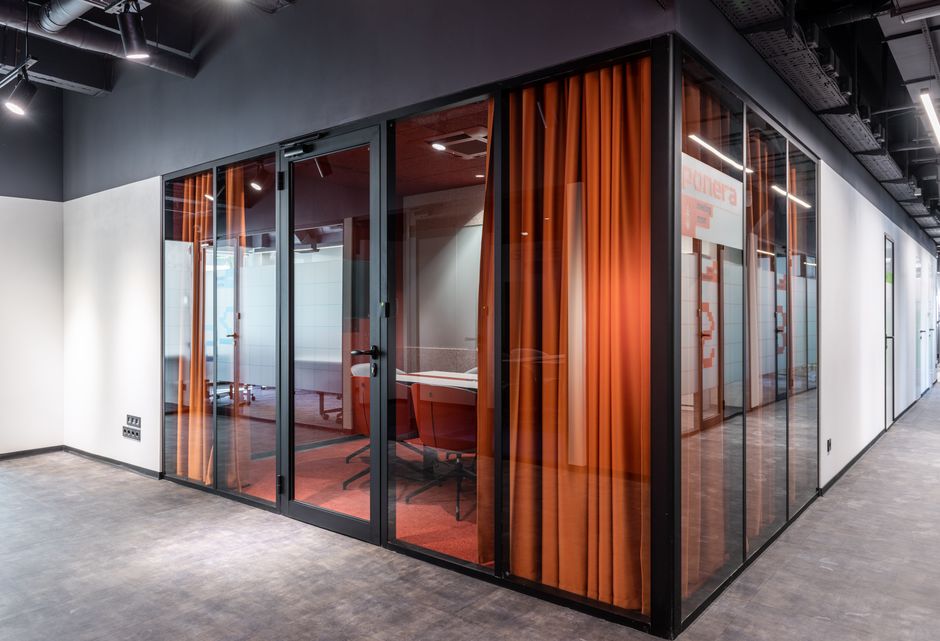










Commercial real estate (CRE) is a vital segment of the economy that plays a significant role in the overall health of financial markets. This sector encompasses properties used exclusively for business purposes, including office buildings, retail spaces, warehouses, and industrial facilities. As global markets evolve, understanding the intricacies of commercial real estate becomes crucial for investors, businesses, and urban planners alike.
What is Commercial Real Estate?

Commercial real estate refers to properties that are intended to generate profit through rental income, capital gains, or both. Unlike residential real estate, which focuses on individual housing units, CRE is geared towards businesses and commercial activities. Examples include shopping malls, office complexes, and hotels. The classification of CRE can be broken down into several categories, including:
1. Office: These properties are utilized for business operations and can range from single-tenant buildings to skyscrapers housing multiple companies.
2. Retail: Retail spaces encompass shopping centers, standalone stores, and restaurants, serving consumers directly.
3. Industrial: This category includes manufacturing facilities, distribution centers, and warehouses that support the supply chain.
4. Multifamily: While primarily considered residential, multifamily properties can also fall under CRE when they are designed for investment purposes.
Market Trends and Insights
The commercial real estate market is constantly influenced by economic conditions, demographic shifts, and technological advancements. In recent years, there has been a notable trend towards flexible working environments. The rise of remote work has led to a reevaluation of office space needs, with many companies opting for smaller footprints or hybrid office models.
Moreover, e-commerce growth has significantly impacted the retail sector, pushing traditional brick-and-mortar stores to adapt or close. According to recent studies, e-commerce sales are projected to reach $6.54 trillion by 2022, which has further fueled demand for industrial spaces to accommodate warehousing and distribution.
Investors are also increasingly looking toward sustainable and eco-friendly buildings, as there is a growing preference for properties that meet green building standards. The U.S. Green Building Council reports that green buildings can command higher rents and lower vacancy rates, making them an attractive option for investors.
Investment Strategies in Commercial Real Estate
Investing in commercial real estate requires a strategic approach, as the risks and rewards can be significant. Investors should consider various strategies based on their financial goals, risk tolerance, and market conditions. Some common investment strategies include:
1. Direct Ownership: This involves purchasing a property outright, which can provide full control but requires substantial capital and ongoing management.
2. Real Estate Investment Trusts (REITs): For those seeking passive investment opportunities, REITs allow individuals to invest in a portfolio of properties without direct ownership.
3. Crowdfunding: This emerging option enables multiple investors to pool their resources to invest in larger projects, democratizing access to commercial real estate.
4. Value-Add Investments: Investors might seek properties that need renovation or repositioning, allowing them to increase value and cash flow over time.
The Role of Technology in Commercial Real Estate
Technology is transforming the commercial real estate landscape in various ways. From property management software to virtual reality tours, technological innovations are enhancing efficiency and improving investment outcomes. Data analytics plays a crucial role in identifying market trends and making informed decisions.
Moreover, the use of blockchain technology is gaining traction in the commercial real estate market. It enhances transparency and security in transactions, potentially reducing fraud and increasing investor confidence.
Additionally, companies are leveraging online platforms to market properties more effectively, reaching a broader audience and streamlining the leasing process. The integration of artificial intelligence in tenant screening and predictive analytics is also revolutionizing how landlords manage their properties.
Challenges in Commercial Real Estate
Despite its potential for high returns, the commercial real estate sector is not without challenges. Economic downturns can lead to increased vacancy rates and reduced rental income. Additionally, regulatory changes, such as zoning laws and environmental regulations, can impact property values and investment strategies.
Another significant challenge is the need for ongoing maintenance and management of properties. Investors must ensure that their properties remain competitive and appealing to tenants, which requires continuous investment in upgrades and renovations.
Lastly, the ongoing impact of the COVID-19 pandemic has reshaped the commercial real estate landscape, with many businesses reevaluating their space needs and operational models. Commercial real estate professionals must stay agile and adapt to these evolving dynamics to thrive in the current environment.
Conclusion
Commercial real estate is a multifaceted sector that offers numerous opportunities for investors, businesses, and urban planners. Understanding the various components, market trends, investment strategies, and challenges is essential for navigating this dynamic field. As technology continues to reshape the industry, staying informed and adaptable will be key to succeeding in commercial real estate.