









Replacing a roof is a significant investment for any homeowner. Understanding the various factors that influence roof replacement costs can help you plan and budget effectively. In this article, we will explore the elements that contribute to the overall cost, offer insights into different roofing materials, and provide tips for managing your roofing project.
Factors Influencing Roof Replacement Costs
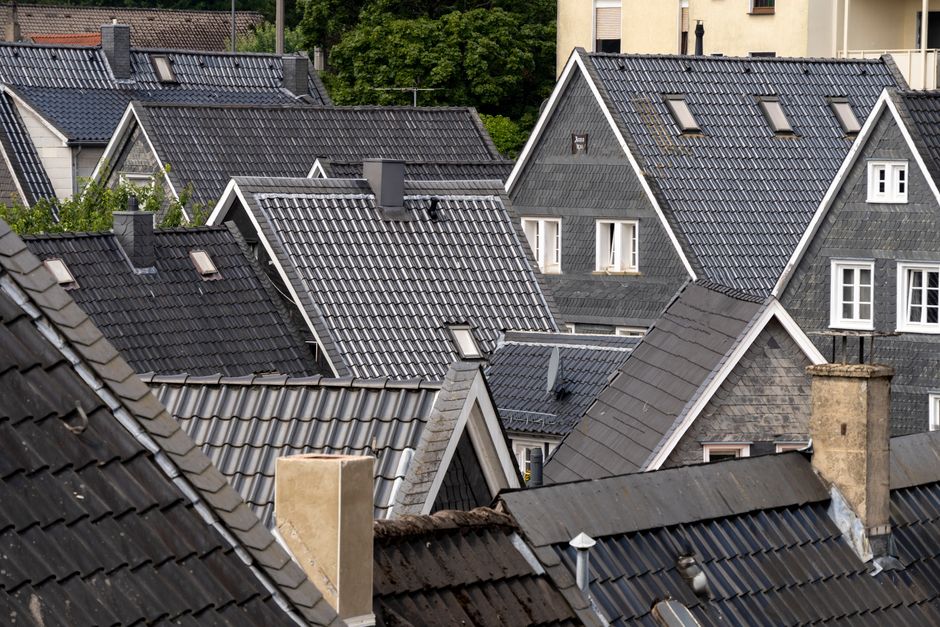
Several factors can affect the cost of replacing a roof. First and foremost, the size of the roof plays a critical role. Larger roofs require more materials and labor, thus increasing the overall cost. In addition, the pitch or slope of the roof can also impact pricing, as steeper roofs may require additional safety measures and specialized labor.
Another significant factor is the type of roofing material chosen. Options range from asphalt shingles to metal roofing, each with its own price point. For instance, asphalt shingles are generally more affordable, while metal roofs tend to be more expensive but offer greater durability and longevity.
Moreover, the complexity of the roofing system can lead to variations in cost. Roofs with multiple layers, chimneys, or skylights may require more labor and materials, driving up the expense. It is essential to consider these factors when estimating the total cost of a roof replacement.
Types of Roofing Materials and Their Costs
When it comes to roofing materials, homeowners have a variety of options. Asphalt shingles, which are the most common type, can cost anywhere from $90 to $100 per square (100 square feet) installed. This option is often favored for its affordability and ease of installation.
On the other hand, metal roofing, known for its durability and energy efficiency, typically costs between $150 to $700 per square, depending on the type of metal used. While the initial investment may be higher, metal roofs can last up to 50 years or more, providing long-term savings and value.
Wood shakes and tiles also present unique pricing structures. Wood roofing can range from $300 to $600 per square, offering a natural aesthetic but requiring more maintenance. Tiles, such as clay or concrete, can cost between $600 to $800 per square and are renowned for their longevity and resistance to harsh weather conditions.
Labor Costs and Additional Expenses
In addition to materials, labor costs are a significant portion of roof replacement expenses. On average, labor can account for 60% to 70% of the total cost. Factors influencing labor costs include the complexity of the installation, local labor rates, and the experience of the roofing contractor.
Moreover, homeowners should be aware of potential additional expenses that may arise during the replacement process. For example, if the existing roof has multiple layers, it may need to be stripped down, which can increase labor costs. Additionally, permits and inspections may be required, especially in certain regions, adding to the overall expense.
Finally, it is paramount to consider the cost of any necessary repairs to the underlying structure. If the roof deck is damaged or if there are issues with insulation, these factors must be addressed before the new roof can be installed, further increasing costs.
Budgeting for a Roof Replacement
Creating a budget for a roof replacement involves understanding all associated costs. Start by obtaining multiple quotes from reputable roofing contractors and ensure each estimate details the scope of work, materials, and labor costs.
Additionally, homeowners should account for unexpected expenses by setting aside a contingency fund, typically around 10% to 20% of the total budget. This fund can cover unforeseen issues that may arise during the project, such as hidden water damage or structural concerns.
Furthermore, it is essential to consider the timing of the project. Roofing costs can vary by season, with demand typically peaking in the spring and summer. Planning your project during the off-peak season may yield lower costs and more availability of contractors.
Conclusion
Understanding the various elements that contribute to roof replacement costs is crucial for homeowners considering this significant investment. By evaluating factors such as the type of materials, labor costs, and potential additional expenses, you can better prepare for the financial implications of a roof replacement. Remember, investing in a quality roof not only enhances your home’s value but also ensures long-term protection and peace of mind. For a detailed breakdown of roof replacement cost, consult with experienced professionals to guide you through the process and help you make informed decisions.