










In an era where climate change and market volatility are becoming the norm, crop insurance has emerged as a crucial tool for farmers. It serves as a financial safety net, protecting farmers from potential losses due to unforeseen circumstances such as natural disasters or price fluctuations. Understanding the intricacies of crop insurance is essential for anyone involved in agriculture.
What is Crop Insurance?
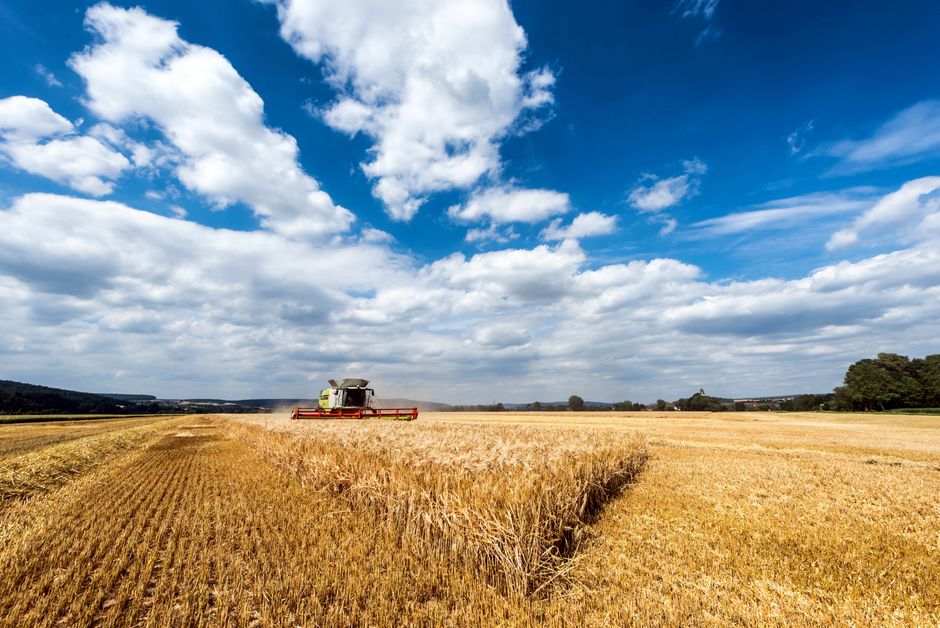
Crop insurance is a type of insurance designed specifically for agricultural producers. It provides coverage against loss of or damage to crops resulting from various risks. These risks include natural disasters like droughts, floods, and hurricanes, as well as economic downturns that affect crop prices. Crop insurance can be categorized mainly into two types: yield-based and revenue-based insurance.
Yield-based insurance covers losses when the actual yield falls below a predetermined level. On the other hand, revenue-based insurance protects against fluctuations in both yield and price, providing a more comprehensive safety net for farmers. The importance of selecting the right type of insurance cannot be overstated, as it can significantly impact a farmer’s financial stability.
The Importance of Crop Insurance
The significance of crop insurance extends beyond individual farmers. It plays a vital role in the overall agricultural economy and food security. By providing financial protection, crop insurance encourages farmers to invest in better farming practices and technology, knowing that they have coverage against potential losses.
Furthermore, crop insurance helps stabilize income for farmers, which in turn supports rural communities. For instance, according to the Risk Management Agency (RMA), approximately 90% of U.S. farms utilize some form of crop insurance. This not only ensures the survival of these farms but also maintains the supply chain necessary for food production.
How to Choose the Right Crop Insurance
Selecting the appropriate crop insurance can be a daunting task given the myriad options available. Farmers must consider multiple factors, including the types of crops they grow, their geographical location, and their financial situation. Consulting with an insurance agent specializing in agricultural policies can provide invaluable assistance in this decision-making process.
Moreover, farmers should be aware of the different federal programs available, such as the Federal Crop Insurance program, which offers subsidized premiums to encourage participation. Understanding the nuances of these programs can help farmers make informed choices that align with their needs and risk profiles.
Real-World Examples of Crop Insurance Impact
Numerous case studies illustrate the positive impact of crop insurance on farmers’ livelihoods. For instance, after a devastating drought, a corn farmer in Iowa was able to recover financially due to his comprehensive crop insurance policy. This coverage allowed him to replant his crops the following season without incurring significant debt.
Another example can be seen in the aftermath of hurricane damage in Florida, where citrus growers benefited from revenue-based crop insurance. This coverage not only compensated them for the loss of crops but also provided funds for recovery efforts, enabling them to restore their farms and continue production.
The Future of Crop Insurance
As climate change continues to alter agricultural landscapes, the future of crop insurance remains a topic of active discussion. Innovations in technology, such as satellite imagery and data analytics, are poised to enhance risk assessment and improve the claims process. These advancements can lead to more tailored insurance products that meet the specific needs of farmers.
Moreover, there is a growing emphasis on sustainable farming practices. Crop insurance can incentivize farmers to adopt these practices, ultimately contributing to environmental conservation. For example, farmers who implement soil health initiatives may receive better insurance rates, creating a win-win scenario for both the environment and agricultural producers.
Conclusion
Crop insurance is more than just a safety net for farmers; it is an essential component of agricultural resilience. By understanding its significance, types, and the factors involved in selecting the right policy, farmers can safeguard their livelihoods against uncertainties. As the agricultural sector evolves, so too will crop insurance, adapting to meet the challenges and opportunities that lie ahead. For more information, you can explore the details about crop insurance and how it can benefit you.