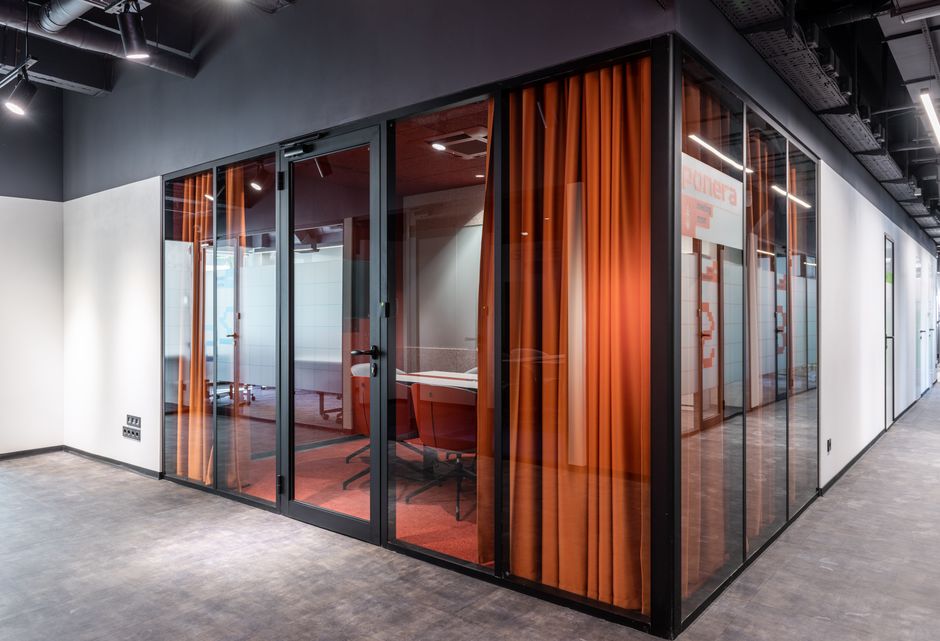










In today’s fast-paced world, effective space utilization has become more crucial than ever. Whether it’s in residential, commercial, or public settings, the way we plan our spaces can significantly impact functionality, aesthetics, and overall satisfaction. This is where the expertise of a space planning consultant comes into play. This article delves into the importance of space planning, the roles of consultants, and how their services can transform environments for better living and working conditions.
Understanding Space Planning
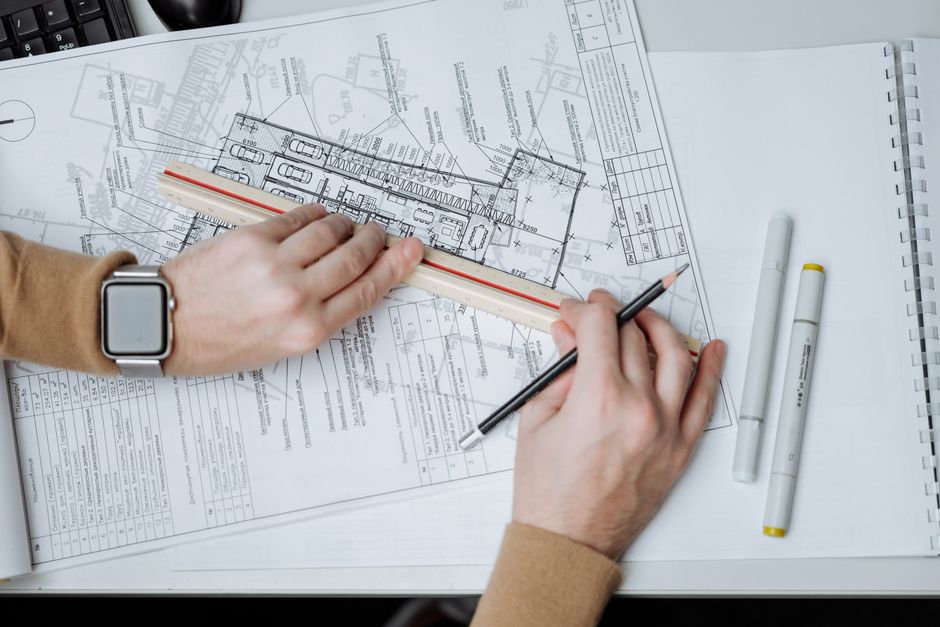
Space planning is the art and science of organizing a physical environment to optimize its functionality and efficiency. It involves analyzing how a space will be used and laying out its design accordingly. This can include everything from determining the best furniture arrangement to ensuring that the flow of movement within a space is logical and unobstructed. Professional space planning is essential for both new constructions and renovations.
For instance, consider a newly constructed office building. A well-executed space plan can lead to improved employee productivity by creating an environment that fosters collaboration, while also ensuring privacy when needed. Conversely, poor planning can lead to wasted space and increased costs in the long run.
The Role of a Space Planning Consultant
A space planning consultant serves as a guide throughout the planning process, offering expert advice and solutions tailored to the specific needs of the client. Their role encompasses a variety of tasks, including conducting site analyses, developing design concepts, and providing recommendations for furniture and fixtures.
Consultants work closely with architects, interior designers, and clients to ensure that all elements of the space are harmonized. They also take into account local building codes and regulations, ensuring that the final design is both functional and compliant. For those looking to maximize their space, a space planning consultant can provide invaluable insights that lead to innovative solutions.
Key Benefits of Hiring a Space Planning Consultant
One of the primary benefits of hiring a space planning consultant is the potential for cost savings. By creating a detailed plan that maximizes every inch of space, clients can avoid unnecessary expenditures related to future renovations or modifications. Additionally, consultants can help in selecting sustainable materials and designs that not only reduce environmental impact but also lower utility costs.
Furthermore, a well-planned space can enhance employee morale and productivity. Studies have shown that thoughtfully designed workspaces lead to higher job satisfaction and lower turnover rates. By hiring a space planning consultant, businesses can create environments that not only look good but also work well.
Real-World Examples of Successful Space Planning
Many businesses and organizations have benefited from the expertise of space planning consultants. For example, a tech startup in Silicon Valley hired a consultant to redesign their open office layout. The result was a more organized space that allowed for collaborative work while also providing quieter zones for focused tasks. Employee satisfaction scores increased significantly post-renovation.
Another notable case is that of a hospital that engaged a space planning consultant to optimize its patient flow and waiting areas. By rethinking the layout, they were able to reduce wait times and improve overall patient experience, leading to higher satisfaction ratings from patients.
Future Trends in Space Planning
The future of space planning is likely to be influenced by technology and evolving work patterns. The rise of remote work has changed how spaces are utilized, leading to a demand for flexible designs that can be easily adapted. Consultants will need to stay informed about these trends to provide the best solutions for their clients.
Moreover, the integration of smart technology in space planning is on the rise. From automated lighting to advanced HVAC systems, technology can enhance the functionality of a space significantly. Consultants who embrace these innovations will be better equipped to create modern, efficient environments.
Conclusion
In conclusion, the role of a space planning consultant is vital in today’s ever-evolving landscape. Their expertise not only helps in optimizing physical spaces but also contributes to enhancing productivity, satisfaction, and cost efficiency. As we move forward, embracing new trends and technologies will be essential for consultants to provide innovative solutions that meet the needs of their clients. Investing in professional space planning can lead to transformative results—making it a smart choice for anyone looking to enhance their environment.