









In today’s competitive food industry, the significance of a restaurant’s interior design cannot be overstated. A well-thought-out interior not only enhances the dining experience but also plays a crucial role in attracting and retaining customers. As consumers become more discerning, restaurants must adapt by creating inviting and memorable spaces. This article delves into the essential elements of restaurant interior design and how they contribute to a restaurant’s overall success.
Understanding the Impact of Interior Design
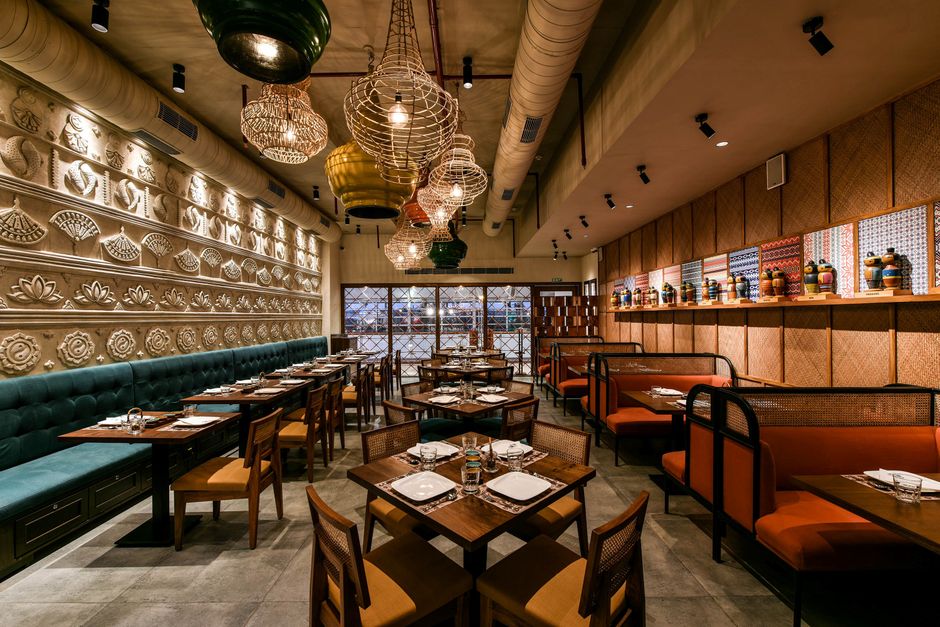
The interior design of a restaurant goes beyond aesthetics; it influences customer behavior and perceptions. Research indicates that a well-designed space can increase customer satisfaction and prolong the duration of visits. For instance, a study by the Restaurant and Hospitality Association revealed that establishments with inviting decor saw a 30% increase in repeat visits. This statistic highlights the importance of investing in thoughtful restaurant interior design.
Moreover, the ambiance created by interior elements such as lighting, color schemes, and furniture can significantly affect the mood of diners. Warm colors and soft lighting can create a cozy atmosphere, encouraging patrons to relax and enjoy their meals. In contrast, bright colors and energetic lighting can evoke excitement and prompt quicker dining experiences. Therefore, understanding how these elements interact is essential for any restaurateur.
Key Design Elements to Consider
When embarking on a restaurant interior design project, several key elements should be prioritized. Firstly, layout plays a vital role in how customers navigate the space. An effective layout facilitates smooth movement while providing ample seating options. For example, an open floor plan can create a sense of community and engagement, while intimate booths can offer privacy for couples.
Secondly, furniture selection is critical. The choice of chairs, tables, and other furnishings should not only be aesthetically pleasing but also comfortable. Ergonomic designs encourage longer stays, which can lead to increased sales. Additionally, the materials used for furniture can impact the overall vibe; rustic wooden tables may evoke a homey feel, while sleek metal designs can convey modernity.
Finally, incorporating local culture and history into the design can create a unique identity for the restaurant. This can be achieved through artwork, decor, and even by using local materials. Such elements resonate with customers, making them feel more connected to the dining experience.
Lighting: An Essential Component
Lighting is one of the most powerful tools in restaurant interior design. It sets the mood and can completely transform a space. Natural light is often preferred during daytime hours, as it enhances the dining experience and promotes a sense of well-being. However, at night, ambient lighting becomes critical.
Strategic use of lighting can highlight specific areas of the restaurant, such as the bar or a unique feature wall. Dimmer switches allow for adjusting the atmosphere throughout the day, catering to different customer preferences. For instance, a lively brunch crowd may appreciate brighter light, while a romantic dinner setting might benefit from softer, dimmed lights.
Color Psychology in Restaurant Design
The colors used in a restaurant’s interior can significantly influence diners’ emotions and behaviors. Color psychology suggests that specific hues evoke particular feelings; for example, red is often associated with appetite stimulation, while blue can suppress hunger. Therefore, choosing the right colors for a restaurant can enhance the overall dining experience.
For instance, many fast-food chains utilize red and yellow in their branding due to their ability to attract attention and encourage quick decisions. In contrast, fine dining establishments may opt for muted tones and earth colors to create a sophisticated and calming atmosphere. Understanding how color affects mood is an essential aspect of restaurant interior design.
Emphasizing Brand Identity Through Design
Every restaurant has a unique brand identity, and the interior design should reflect this ethos. Consistency between branding elements and the physical environment can reinforce a restaurant’s concept. For example, an Italian restaurant might incorporate rustic Italian decor and traditional furnishings to create an authentic experience.
Additionally, unique design features, such as an open kitchen or a chef’s table, can enhance the dining experience and create a memorable impression. These elements not only showcase the restaurant’s personality but also engage diners, making them feel part of the culinary journey.
Furthermore, integrating sustainable and eco-friendly practices into the design can resonate with a growing number of environmentally conscious consumers. Using reclaimed materials, energy-efficient lighting, and plants can contribute to a restaurant’s identity while promoting sustainability.
Conclusion
In conclusion, effective restaurant interior design is a multifaceted discipline that involves understanding customer psychology, incorporating key design elements, and reflecting brand identity. By creating a thoughtfully designed space, restaurants can enhance the overall dining experience, foster customer loyalty, and ultimately drive success. Investing in restaurant interior design is not just about aesthetics; it’s about creating an environment that resonates with customers and encourages them to return time and time again.