










In the world of aviation, safety is paramount. The proper functioning of an aircraft is not just about engineering excellence; it is also about rigorous and consistent maintenance. This is where aircraft maintenance companies come into play. These companies are essential in ensuring that every flight is safe, punctual, and efficient. In this article, we will explore the critical functions of aircraft maintenance companies, the regulations they adhere to, and the technologies they employ to keep the skies safe.
Understanding Aircraft Maintenance
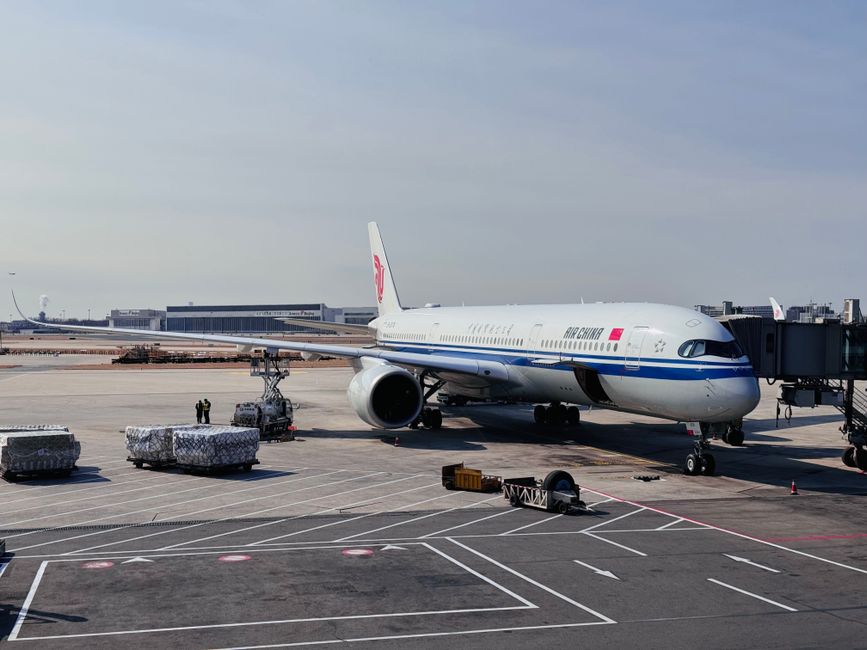
Aircraft maintenance refers to the processes and procedures that ensure an aircraft is in optimal working condition. This maintenance can be categorized into several types, including routine checks, scheduled inspections, and unscheduled repairs. Routine maintenance, often referred to as line maintenance, is conducted frequently and includes tasks such as checking fluid levels, tire pressures, and general aircraft cleanliness.
Scheduled maintenance involves more extensive checks, such as the A, B, C, and D checks, which occur at different intervals. A checks are basic inspections, while D checks are major overhauls that can take weeks to complete. Each of these maintenance types is critical in preventing mechanical failures and ensuring the aircraft’s longevity.
Aircraft maintenance companies employ highly trained technicians who are certified to perform these checks and repairs. Their expertise is vital in identifying potential issues before they become serious problems, thereby ensuring passenger safety.
The Importance of Regulatory Compliance
Aircraft maintenance companies operate under strict regulations set by aviation authorities worldwide. In the United States, for instance, the Federal Aviation Administration (FAA) governs all aspects of aviation maintenance, including the certification of maintenance organizations and the qualifications of maintenance personnel.
Compliance with these regulations is non-negotiable. Maintenance companies must adhere to guidelines that dictate how often maintenance should be performed, the qualifications required for technicians, and the documentation that must be maintained. Failure to comply can result in severe penalties, including fines and loss of certification.
Moreover, these regulations are not just bureaucratic hurdles; they are designed to ensure the highest safety standards in aviation. For example, a recent FAA report indicated that adherence to maintenance regulations has contributed to a significant reduction in in-flight emergencies.
Technological Advancements in Maintenance
As technology continues to advance, aircraft maintenance companies are increasingly incorporating new tools and systems to enhance efficiency and safety. One such development is the use of predictive maintenance technology, which utilizes data analytics to predict when an aircraft component is likely to fail.
By analyzing data from various aircraft systems, maintenance teams can perform maintenance before a failure occurs, thereby minimizing downtime and enhancing safety. This proactive approach not only improves operational efficiency but also reduces costs associated with unscheduled repairs.
Furthermore, the integration of augmented reality (AR) and virtual reality (VR) in training maintenance personnel has revolutionized the way technicians are educated. These technologies provide immersive training experiences that allow technicians to practice repairs and inspections in a simulated environment, ultimately improving their skills and preparedness.
Aircraft Maintenance Companies and Environmental Responsibility
In recent years, there has been a growing emphasis on environmental responsibility within the aviation industry. Aircraft maintenance companies are now tasked with not only ensuring safety but also minimizing their environmental impact.
Many maintenance organizations are adopting green practices, such as reducing waste, recycling materials, and utilizing eco-friendly cleaning products. For instance, some companies are implementing systems to recycle old aircraft parts, which not only reduces waste but also lowers operational costs.
Additionally, regulatory bodies are increasingly mandating that maintenance practices align with environmental standards. Companies that prioritize sustainability can enhance their reputation and attract environmentally conscious clients.
Choosing the Right Aircraft Maintenance Company
For airlines and aircraft owners, selecting the right aircraft maintenance company is crucial. Factors to consider include the company’s certifications, reputation, and the range of services offered. It’s essential to choose a company that not only meets regulatory requirements but also has a proven track record of safety and reliability.
Moreover, establishing a strong partnership with an aircraft maintenance company can lead to more efficient operations and enhanced safety. Companies that prioritize communication and transparency in their processes can foster trust and collaboration, which are essential in the aviation industry.
To ensure optimal safety and efficiency, maintainers and operators often collaborate closely. A reliable aircraft maintenance company will work with their clients to tailor services that meet specific operational needs while adhering to safety regulations.
Conclusion
In conclusion, aircraft maintenance companies play a vital role in the aviation industry. Their commitment to safety, adherence to regulations, use of advanced technology, and focus on environmental responsibility are essential to maintaining the integrity of air travel. As the aviation sector continues to evolve, these companies will remain at the forefront, ensuring that the skies remain safe and efficient for all travelers.