










The fashion industry has undergone a dramatic transformation in recent years, with consumers increasingly seeking unique and personalized clothing options. This shift has led to a significant rise in the demand for custom clothing manufacturers. These companies are not only meeting the needs of individual customers but are also supporting businesses looking to create their own branded apparel. In this article, we will explore the advantages of working with a custom clothing manufacturer, the process involved, and the future of this booming industry.
Understanding Custom Clothing Manufacturing
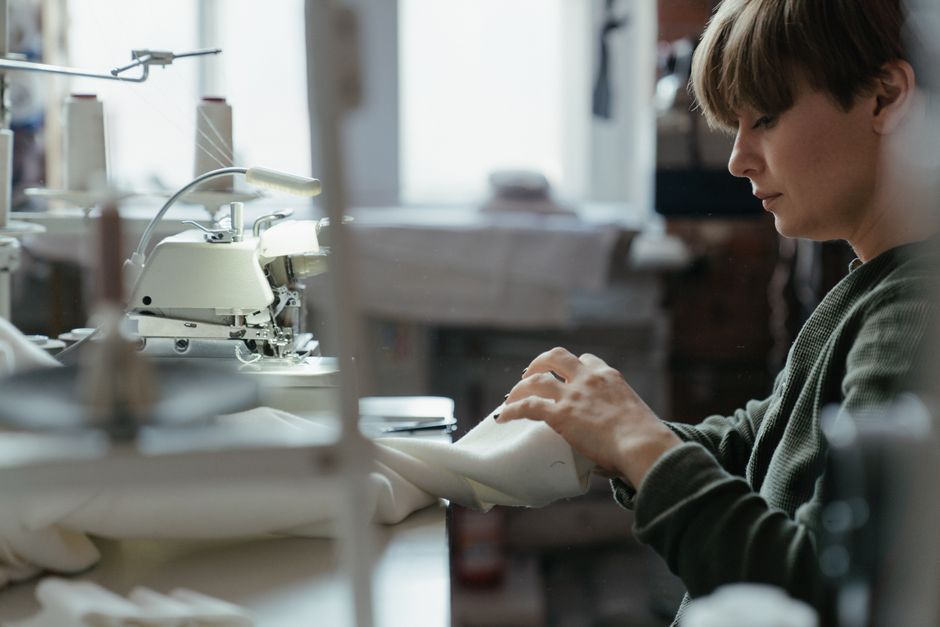
Custom clothing manufacturing refers to the process of creating garments tailored specifically to the client’s specifications. This involves selecting materials, designs, and sizes that cater to individual preferences. Unlike mass production, which often results in generic clothing items, custom manufacturing allows for a unique touch that can set brands apart in a saturated market.
One of the primary benefits of working with a custom clothing manufacturer is the ability to produce limited runs or even one-of-a-kind pieces. This is particularly appealing to fashion designers and brands that aim to create exclusive collections. By collaborating closely with manufacturers, designers can ensure that their vision is realized in the final product.
Moreover, custom clothing manufacturers often provide a range of services, including pattern making, fabric sourcing, and production management. This comprehensive approach simplifies the process for designers and brands, allowing them to focus on creativity while leaving the technical aspects to the experts.
The Advantages of Custom Clothing
One of the most significant advantages of custom clothing is the tailored fit. Off-the-rack clothing often fails to accommodate the diverse body types of consumers. Custom clothing allows for precise measurements, ensuring that each piece fits perfectly. This not only enhances comfort but also boosts confidence, as individuals can wear clothing that flatters their unique shape.
Additionally, custom clothing offers unparalleled quality. Manufacturers typically use higher-quality materials than those found in mass-produced garments, leading to longer-lasting products. This focus on quality resonates with consumers who are becoming increasingly conscious of sustainability and ethical fashion practices. By choosing custom clothing, buyers can support responsible manufacturing processes while investing in pieces that will endure over time.
Furthermore, the personalization aspect of custom clothing cannot be overstated. Consumers can choose everything from fabric patterns to specific details, allowing them to express their individuality. This level of customization is a significant driver of consumer purchasing decisions in today’s market.
The Process of Working with a Custom Clothing Manufacturer
Engaging with a custom clothing manufacturer typically begins with a consultation. During this initial meeting, clients can discuss their ideas, preferences, and budget. This stage is crucial for establishing a mutual understanding and ensuring that the manufacturer can meet the client’s expectations.
Once the design is finalized, the next step involves creating samples. This prototype stage allows clients to assess the fit, style, and overall quality of the garment before mass production begins. It provides an opportunity for adjustments and refinements, ensuring that the final product aligns with the client’s vision.
After the samples are approved, production can commence. Depending on the size of the order and the complexities involved, this process can vary in duration. However, reputable manufacturers will provide timelines and updates to keep clients informed. The entire process emphasizes communication and collaboration, which are essential for successful outcomes.
The Future of Custom Clothing Manufacturing
As the demand for unique and personalized fashion continues to grow, the future of custom clothing manufacturing appears bright. Advances in technology, such as 3D printing and digital fabric printing, are revolutionizing the way garments are produced. These innovations enable manufacturers to create intricate designs with minimal waste, aligning with the sustainable practices that consumers increasingly seek.
Moreover, the rise of e-commerce has made it easier for consumers to access custom clothing options. Online platforms allow brands to showcase their offerings to a broader audience, facilitating connections between consumers and manufacturers. This shift has led to an increase in small businesses and independent designers entering the market, further enriching the landscape of custom clothing.
In addition, social media plays a pivotal role in shaping consumer preferences. Platforms like Instagram and TikTok have created a space for fashion inspiration, where unique custom pieces can gain visibility and attract attention. As consumers continue to seek out individuality in their wardrobe, custom clothing manufacturers are well-positioned to thrive in this evolving marketplace.
Conclusion
The rise of custom clothing manufacturers is a testament to the changing dynamics of the fashion industry. As consumers prioritize personalization, quality, and sustainability, custom clothing offers a viable solution to meet these demands. By understanding the benefits and processes involved, both consumers and brands can make informed decisions that elevate their fashion experience. The future is bright for custom clothing, and those who embrace this trend will undoubtedly find themselves at the forefront of a new era in fashion.