










The rapid evolution of electric vehicles (EVs) has brought to the forefront the crucial role of battery suppliers. As the automotive industry shifts toward sustainability, understanding the dynamics of EV battery supply chains becomes essential. This article delves into the key players in the EV battery sector, the technologies they employ, and the challenges they face.
Understanding the EV Battery Landscape
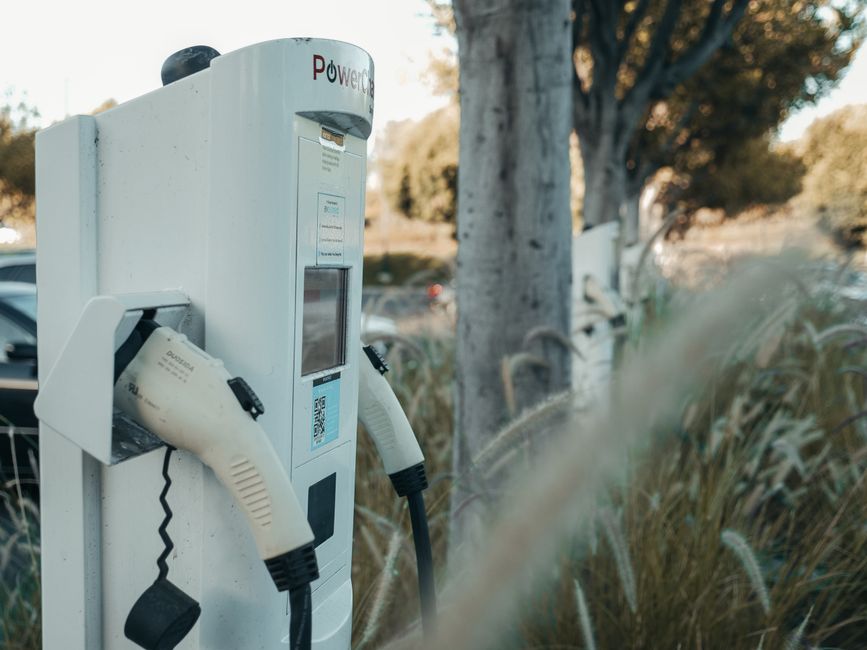
The electric vehicle market is expanding at an unprecedented rate. According to recent statistics, global EV sales rose over 40% in 2021, and this trend is expected to continue, with projections indicating that over 26 million EVs could be sold annually by 2030. At the heart of this growth lies the EV battery, which not only powers the vehicle but also influences its performance, range, and safety. The battery supply chain involves multiple stakeholders, from raw material suppliers to manufacturers, each playing a pivotal role in the overall ecosystem.
Key Players in the Market
Several companies have emerged as leaders in the EV battery supply sector. Notable among them are Tesla, LG Chem, and CATL. Tesla, with its Gigafactory in Nevada, has revolutionized battery production, focusing on reducing costs while increasing efficiency. Similarly, LG Chem has made significant investments in R&D to enhance battery capacity and lifespan. On the other hand, CATL has become a dominant force in China, supplying batteries to various global automakers.
According to a report, Tesla accounted for approximately 15% of global battery production in 2022, while CATL held a staggering 32% market share. Such figures highlight the competitive landscape and the importance of innovation in remaining at the forefront of the industry.
Technological Innovations Shaping the Industry
Innovation is key to the evolution of EV batteries. The focus has shifted toward developing batteries that are not only more efficient but also environmentally friendly. Technologies such as solid-state batteries are being explored as potential game-changers. These batteries promise increased energy density and safety compared to traditional lithium-ion batteries, which could significantly enhance the driving range of EVs.
Furthermore, recycling technologies are gaining traction as manufacturers seek to minimize waste and recover valuable materials from used batteries. For instance, companies are investing in processes to extract lithium, cobalt, and nickel from old batteries, which can then be reused in new battery production. This circular economy approach is essential for sustainable growth in the EV market.
Challenges Facing EV Battery Suppliers
Despite the promising outlook, EV battery suppliers face several challenges. One major issue is the volatility of raw material prices. The demand for lithium and cobalt, vital components in battery production, has skyrocketed, leading to price fluctuations that can impact profit margins. Additionally, geopolitical tensions and trade disputes can disrupt supply chains, making it imperative for companies to diversify their sourcing strategies.
Moreover, regulatory hurdles and safety concerns surrounding battery production and disposal remain critical challenges. As governments implement stricter environmental regulations, suppliers must adapt their practices to comply with these new standards while ensuring the safety and reliability of their products.
The Role of Partnerships in the Battery Supply Chain
Collaboration is becoming increasingly important in the EV battery landscape. Partnerships between automotive manufacturers and battery suppliers can lead to innovations that benefit both parties. For example, Ford and SK Innovation have announced a joint venture to produce EV batteries in North America, a move aimed at enhancing local production capabilities and reducing dependence on foreign suppliers.
Such collaborations not only foster technological advancements but also promote shared knowledge and resources, helping companies navigate the complexities of the evolving market. By leveraging each other’s strengths, these partnerships can accelerate the development of groundbreaking battery technologies and solutions.
Conclusion: The Path Forward for EV Battery Suppliers
The future of EV battery suppliers is poised for significant transformation as the industry continues to evolve. With increasing competition, technological advancements, and a focus on sustainability, suppliers must remain agile and innovative. Understanding the dynamics of the market, forging strategic partnerships, and adapting to challenges will be crucial for success. As the demand for electric vehicles grows, the role of EV battery suppliers will be more critical than ever in shaping the future of transportation.