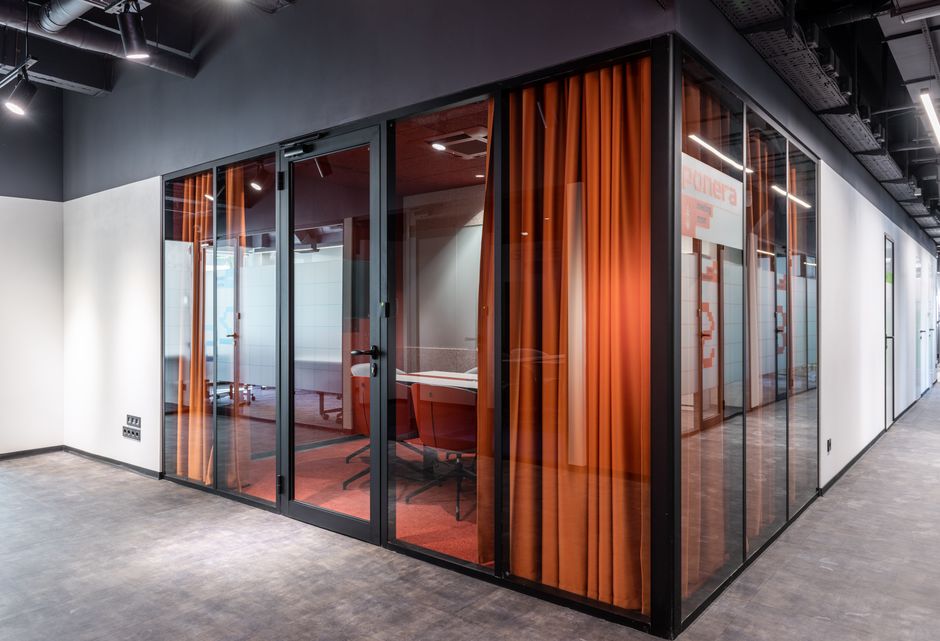










In recent years, the role of architect firms has evolved significantly, adapting to the changing landscape of urban development and environmental sustainability. These firms are no longer just about creating aesthetically pleasing structures; they are now at the forefront of innovative design that prioritizes functionality, sustainability, and community engagement. This article explores the multifaceted roles of architect firms today and how they are shaping the built environment of the future.
The Role of Architect Firms in Urban Planning

Architect firms play a crucial role in urban planning, collaborating with city planners and local governments to create spaces that are not only functional but also enhance the quality of life for residents. For instance, many cities are now focusing on mixed-use developments that integrate residential, commercial, and recreational spaces. This holistic approach allows for vibrant communities to flourish, reducing the need for long commutes and promoting local economies.
According to a report by the American Institute of Architects, urban areas that incorporate green spaces designed by architect firms see a 10% increase in community satisfaction. This statistic highlights the importance of thoughtful design in urban settings.
One remarkable example is the High Line in New York City, a repurposed elevated rail line transformed into a public park. This project, led by the architect firm Diller Scofidio + Renfro, not only revitalized a neglected space but also became a catalyst for economic development in the surrounding neighborhoods.
Embracing Sustainable Design Practices
As environmental concerns continue to rise, architect firms are increasingly adopting sustainable design practices. This involves the use of eco-friendly materials, energy-efficient systems, and designs that minimize environmental impact. The integration of renewable energy sources into building designs has become a hallmark of modern architecture.
Many architect firms are now pursuing LEED (Leadership in Energy and Environmental Design) certification for their projects, which recognizes excellence in sustainable building practices. A study conducted by the US Green Building Council found that LEED-certified buildings not only reduce energy consumption by an average of 30% but also improve occupant health and productivity.
One notable example is the Bosco Verticale (Vertical Forest) in Milan, designed by Stefano Boeri Architetti. This residential complex features over 9,000 trees and 20,000 plants, effectively reducing air pollution and enhancing biodiversity in an urban environment. Such projects demonstrate how architect firms can lead the way in integrating nature into urban living.
Technological Innovations in Architecture
The advent of technology has transformed the way architect firms operate, from design processes to project management. The use of Building Information Modeling (BIM) allows for more precise planning and execution of projects, reducing waste and improving efficiency. With BIM, architects can visualize a project in 3D, enabling better collaboration among stakeholders.
Moreover, advancements in virtual reality (VR) and augmented reality (AR) are revolutionizing how clients experience architectural designs. These technologies enable potential clients to take virtual tours of their future spaces, providing a clear understanding of the design vision. According to a recent survey, 70% of clients reported higher satisfaction levels when using VR or AR tools during the design phase.
As an illustration, the architect firm Gensler has successfully implemented VR technology in their projects, allowing clients to immerse themselves in designs before construction begins. This innovative approach not only enhances client engagement but also minimizes costly changes during the building process.
Architect Firms and Community Engagement
Today’s architect firms are recognizing the importance of community engagement in the design process. Involving local communities leads to designs that reflect the needs and values of the people who will use the spaces. This participatory approach can foster a sense of ownership and pride among residents.
For example, the architect firm MASS Design Group has been known for its community-driven projects in developing countries. Their work emphasizes collaboration with local populations to create buildings that are culturally relevant and socially responsible. This model has proven successful in various projects, including health facilities and schools, which have significantly improved community well-being.
Research indicates that community involvement in architectural projects can lead to a 25% increase in project acceptance rates, demonstrating the value of listening to the voices of those affected by design decisions.
Conclusion: The Future of Architect Firms
As we look to the future, architect firms will continue to play a pivotal role in shaping our built environment. With a focus on sustainability, technology, and community engagement, these firms are not just designing buildings; they are creating spaces that promote health, well-being, and connectivity. As the demands of society evolve, so too will the practices of architect firms, ensuring that they remain integral to the development of our cities and communities.
For those seeking architectural expertise, partnering with a reputable architect firm can be the first step toward realizing a vision that is both innovative and sustainable.