










The construction industry has long been a cornerstone of economic development and infrastructure growth worldwide. From the ancient pyramids of Egypt to modern skyscrapers, the evolution of construction techniques and materials has been nothing short of remarkable. As we look towards the future, several trends are shaping the way we build, the materials we use, and the very nature of construction work itself.
Historical Overview of Construction
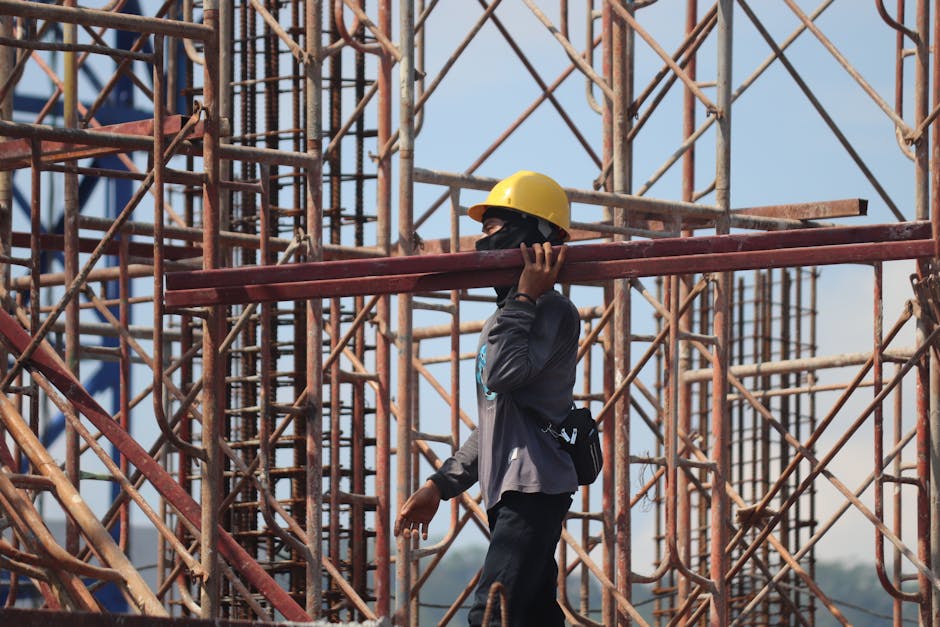
Historically, construction has evolved significantly. In ancient times, structures were built using locally sourced materials such as stone, wood, and mud. These methods, while effective, were labor-intensive and time-consuming. The Industrial Revolution marked a pivotal moment in construction history, introducing new materials like steel and concrete, which allowed for the construction of taller and more durable buildings.
In the 20th century, the introduction of prefabrication and modular construction changed the landscape yet again. These techniques not only reduced construction time but also improved efficiency and reduced waste. Today, we see the results of these historical advancements in the form of complex infrastructures like bridges, highways, and urban developments.
Current Trends in the Construction Industry
Today, the construction industry is witnessing several key trends driven by technology and sustainability. One of the most significant trends is the adoption of Building Information Modeling (BIM). BIM allows architects, engineers, and contractors to collaborate more effectively by creating digital representations of buildings before construction begins. This leads to fewer errors, reduced costs, and enhanced efficiency.
Another trend is the increasing focus on sustainable construction practices. Green building materials and energy-efficient designs are becoming the norm as more companies recognize the importance of reducing their carbon footprint. For instance, the use of recycled materials, solar panels, and energy-efficient HVAC systems is steadily rising.
Challenges Facing the Construction Industry
Despite the advancements, the construction industry faces significant challenges. One of the most pressing issues is the skilled labor shortage. Many construction firms are struggling to find qualified workers, which can lead to delays and increased project costs. According to a report from the Associated General Contractors of America, 80% of construction firms are having difficulty filling hourly craft positions.
Additionally, the industry is susceptible to economic fluctuations, which can impact project funding and availability of resources. The COVID-19 pandemic further exacerbated these challenges, causing delays and increasing costs across the board.
The Future of Construction
Looking ahead, the future of the construction industry is likely to be influenced by continued technological advancements. Innovations such as artificial intelligence, drones, and robotics are set to play a significant role in automating tasks and improving safety on job sites.
Moreover, the use of smart materials that can adapt to their environment will revolutionize how we think about construction. These materials can respond to temperature changes or even self-repair, offering unprecedented durability and efficiency.
Networking within the industry is also essential for future growth. For example, joining a construction network charlotte nc can provide valuable resources and connections that help businesses thrive in a competitive market.
Conclusion
The construction industry is at a crossroads, balancing historical practices with innovative solutions. By embracing technology and sustainable practices, the industry can address its challenges and pave the way for a more efficient and environmentally friendly future. As stakeholders in this industry, it is crucial to stay informed and adaptive to ensure continued growth and success.