










In the fast-paced world of the restaurant industry, efficiency and accuracy are crucial for success. A restaurant POS system is not just a tool for processing payments; it is a comprehensive solution that can streamline operations, enhance customer service, and provide valuable insights into business performance. In this article, we will explore the key features, benefits, and considerations when choosing the right POS system for your restaurant.
What is a Restaurant POS System?
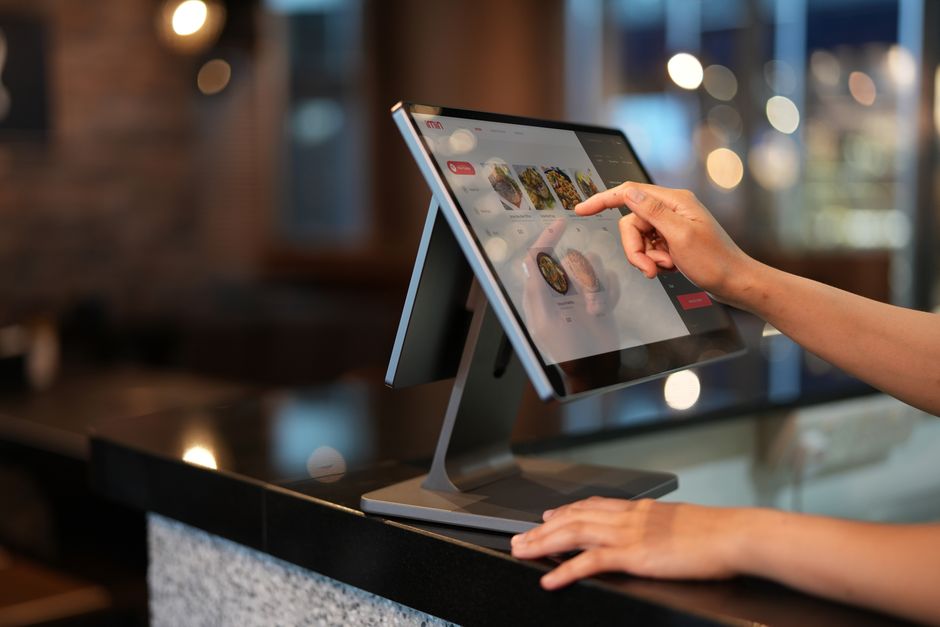
A restaurant POS system (Point of Sale) is a combination of hardware and software that allows restaurant owners and staff to manage transactions and track sales. These systems can handle various functions, including order taking, payment processing, inventory management, and reporting. The modern POS system is designed to be user-friendly, enabling staff to quickly learn how to use it, which is essential in a busy restaurant environment.
The components of a typical restaurant POS system include a touchscreen terminal, receipt printer, cash drawer, and card reader. Some systems also offer mobile devices for taking orders and payments tableside, which can significantly enhance the dining experience for customers.
Key Features to Look For
When selecting a restaurant POS system, it is essential to consider the features that align with your specific needs. Here are some key features to look for:
1. Order Management: A robust order management system allows servers to input orders easily, modify them as needed, and send them directly to the kitchen. This reduces errors and speeds up service.
2. Payment Processing: Look for a POS system that supports various payment methods, including credit/debit cards, mobile payments, and gift cards. Fast and secure payment processing is vital for customer satisfaction.
3. Reporting and Analytics: A good POS system should provide comprehensive reporting features that allow you to analyze sales trends, track inventory levels, and monitor employee performance. Data-driven insights can help you make informed decisions.
4. Inventory Management: Keeping track of inventory is crucial for cost control. A POS system with inventory management capabilities can alert you when stock is low and help prevent over-ordering.
The Benefits of Implementing a POS System
Investing in a restaurant POS system can yield numerous benefits that contribute to the overall success of your business:
1. Increased Efficiency: By automating order processing and payment transactions, your staff can focus more on customer service and less on administrative tasks.
2. Enhanced Customer Experience: With faster service and accurate order management, customers are likely to have a more enjoyable dining experience, leading to repeat business.
3. Better Financial Management: The ability to track sales and expenses in real-time helps restaurant owners make better financial decisions, ultimately improving profitability.
4. Improved Marketing Opportunities: Many modern POS systems offer customer relationship management (CRM) tools that allow you to create targeted marketing campaigns based on customer preferences and purchase history.
Considerations When Choosing a POS System
While the features and benefits of POS systems are compelling, there are several considerations to keep in mind:
1. Budget: Determine your budget for a POS system, including initial setup costs and ongoing subscription fees. Some systems charge monthly fees, while others may have a one-time purchase cost.
2. Scalability: Choose a system that can grow with your business. If you plan to expand your restaurant or add locations, ensure that the POS system can accommodate increased demand.
3. Support and Training: Evaluate the level of customer support provided by the POS vendor. Comprehensive training for your staff is crucial to ensure smooth implementation and operation.
restaurant POS system vendors often provide resources and support that can make the transition easier.
Conclusion
In conclusion, a restaurant POS system is an invaluable tool for modern restaurant management. It streamlines operations, enhances customer service, and provides critical data for decision-making. By investing in the right POS system, restaurant owners can improve efficiency, reduce costs, and ultimately boost profitability. As the restaurant industry continues to evolve, the importance of technology in enhancing customer experience and operational efficiency cannot be overstated.