










When it comes to maritime operations, selecting the right marine engine supplier is crucial. The performance and reliability of marine engines directly impact the efficiency and safety of vessels. This guide aims to provide insights into the factors to consider when choosing a marine engine supplier, ensuring you make an informed decision for your business.
Understanding Marine Engine Types
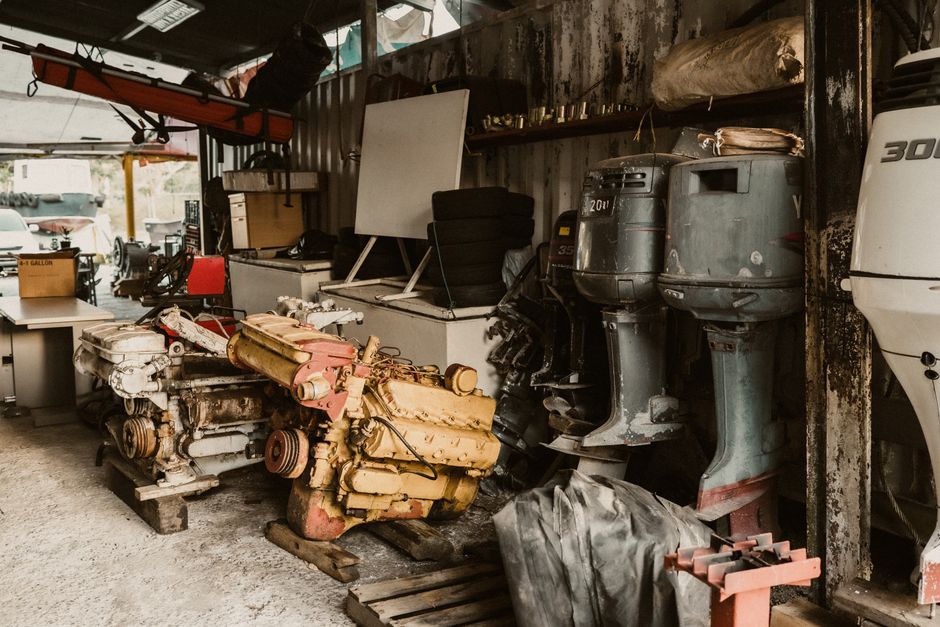
The first step in selecting a marine engine supplier is understanding the different types of marine engines available in the market. Generally, marine engines can be classified into two categories: inboard and outboard engines. Inboard engines are typically more powerful and are installed within the hull of the vessel, while outboard engines are mounted externally and are often used in smaller boats. Knowing the type of engine that best suits your vessel’s requirements will help narrow down your supplier options.
In addition, consider the fuel type of the engines. Diesel engines are favored for their fuel efficiency and longevity, while gasoline engines provide better acceleration and are generally lighter. Each type has its advantages and disadvantages, so it’s essential to evaluate your operational needs before proceeding.
Furthermore, the size and application of the engine play a significant role in your choice. Larger vessels require more powerful engines, whereas smaller recreational boats may only need compact outboard engines. Discussing these needs with potential suppliers can provide clarity.
Evaluating Supplier Reputation
Once you have a clear understanding of the types of marine engines you need, the next step is to evaluate the reputation of potential suppliers. A reliable marine engine supplier should have a solid track record of providing high-quality products and services. Look for suppliers with positive customer reviews and testimonials, as this will give you insight into their reliability and customer service.
Industry certifications and affiliations can also be indicators of a supplier’s credibility. For instance, suppliers that are members of recognized marine industry organizations often adhere to higher standards of quality and service. This can be a significant factor in your decision-making process.
Additionally, consider attending maritime trade shows or expos where you can meet suppliers face-to-face. This allows you to ask questions, get a feel for their level of expertise, and see their products firsthand. Networking in these environments can often lead to valuable insights.
Assessing Technical Support and Services
Technical support and after-sales services are crucial when selecting a marine engine supplier. A supplier that offers comprehensive technical support can significantly reduce downtime in case of engine issues. Check if they have a dedicated support team available for troubleshooting and assistance.
Moreover, inquire about the warranty and service plans offered. A good supplier should provide warranties that cover not only the engine but also parts and labor. Understanding the terms and conditions of these warranties can save you from unexpected expenses down the line.
Another important aspect is the availability of spare parts. Ensure that your chosen supplier has a reliable supply chain for spare parts, as this is essential for maintaining your engine’s performance and longevity. A supplier with a robust inventory minimizes the risk of extended downtime due to parts shortages.
Cost Considerations
While cost should not be the sole determining factor in your choice of marine engine supplier, it is undoubtedly an important consideration. Collect quotes from multiple suppliers to get a sense of the price range for the engines you are interested in. However, be cautious of prices that seem too good to be true; they may indicate inferior quality.
Additionally, consider the total cost of ownership, which includes not only the initial purchase price but also maintenance, fuel consumption, and potential repairs. A slightly higher upfront cost may lead to lower long-term expenses if the engine is more fuel-efficient or requires less maintenance.
Finally, don’t hesitate to negotiate prices or ask for discounts, especially if you are making a bulk purchase or entering into a long-term partnership. Many suppliers are willing to work with you on pricing to secure your business.
Final Thoughts on Selecting a Marine Engine Supplier
Choosing the right marine engine supplier is a multifaceted decision that requires careful consideration of various factors. From understanding engine types to evaluating supplier reputations and assessing technical support, each aspect plays a vital role in ensuring you make an informed choice.
Ultimately, the goal is to find a supplier that not only meets your immediate needs but also supports your long-term operational goals. By conducting thorough research and asking the right questions, you can establish a successful partnership with a marine engine supplier that will help your maritime operations thrive.
For those seeking a reliable partner in this field, consider exploring the offerings of a trusted marine engine supplier. Their expertise and comprehensive service can significantly enhance the efficiency of your maritime operations.