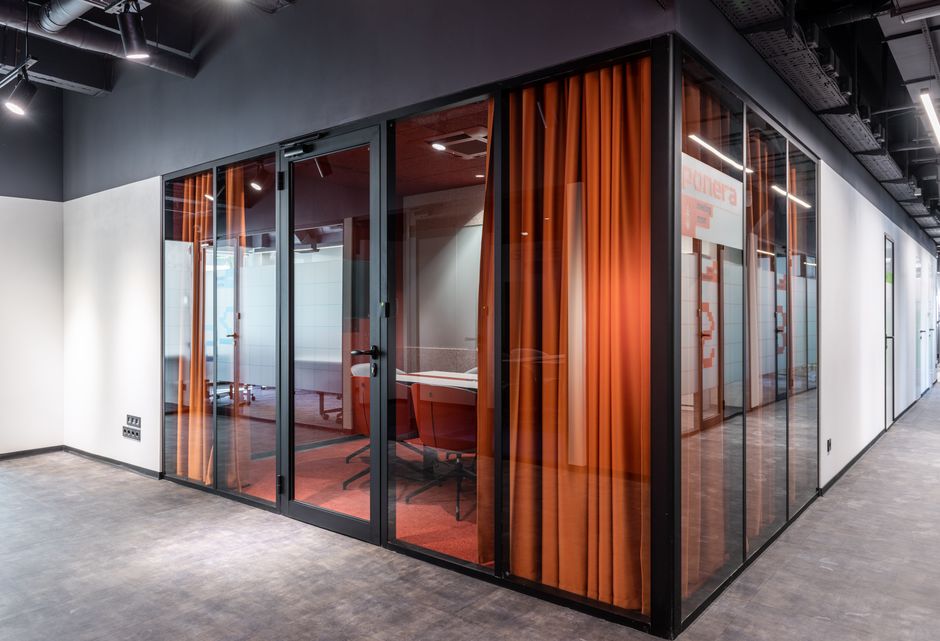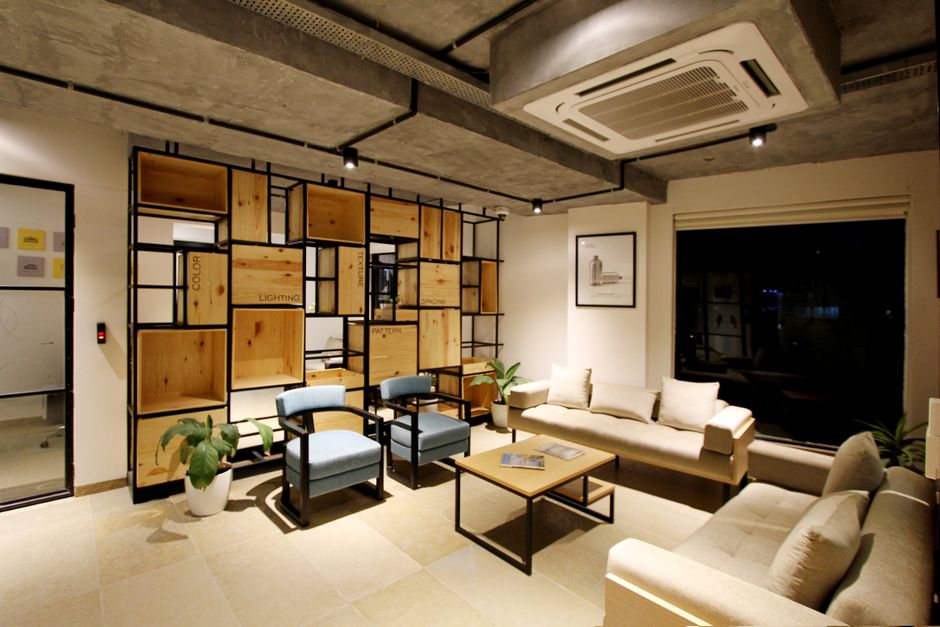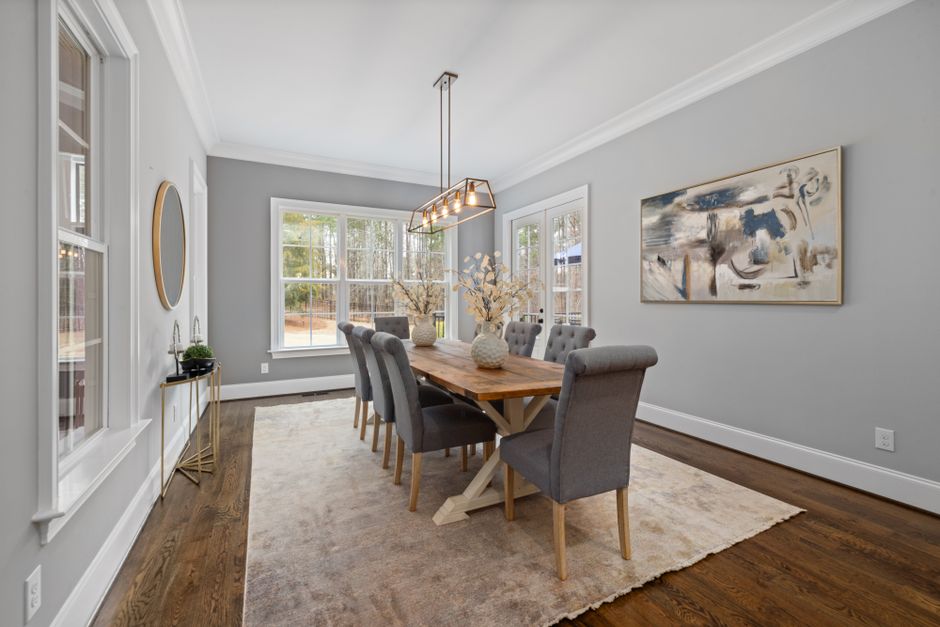










In the world of business, the interior design of a commercial space plays a crucial role in shaping the experience of both employees and customers. A well-designed environment can enhance productivity, convey brand identity, and create a welcoming atmosphere. This article delves into the various facets of commercial interior design, exploring its significance, key principles, and the latest trends that are transforming business spaces.
Understanding the Importance of Commercial Interior Design
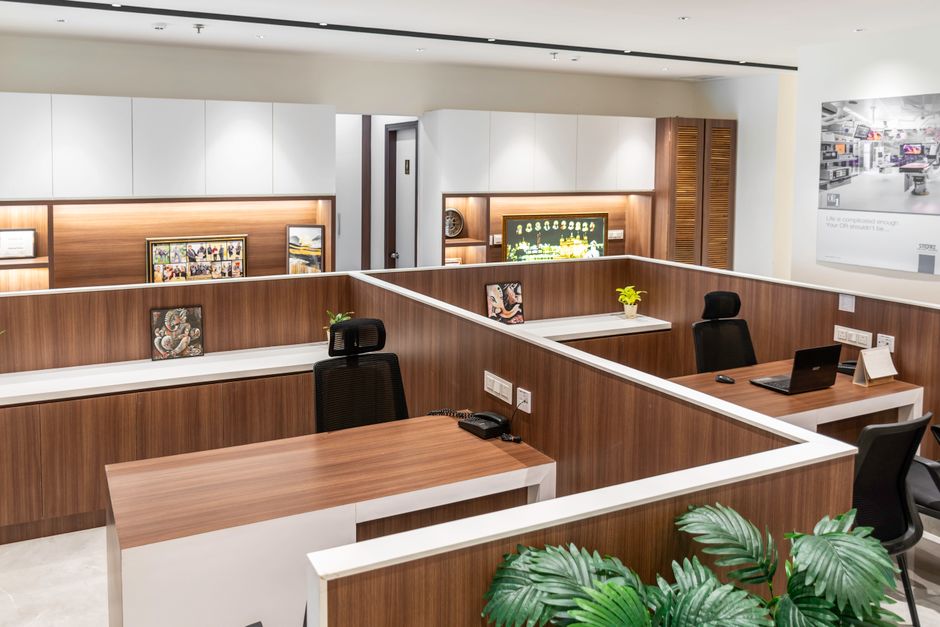
Commercial interior design goes beyond mere aesthetics; it encompasses functionality, safety, and sustainability. For businesses, the design of their space can directly impact customer perceptions and employee satisfaction. According to a study by the American Society of Interior Designers, well-designed workplaces can improve employee productivity by up to 20%.
Moreover, a thoughtfully designed commercial space can effectively communicate a brand’s values and mission. For instance, tech companies often opt for open floor plans with modern furniture to foster collaboration and innovation, while luxury brands may choose elegant and sophisticated designs to reflect their high-end image.
Key Principles of Effective Commercial Interior Design
There are several key principles that guide successful commercial interior design:
- Functionality: The design must accommodate the specific needs of the business and its operations. This could mean creating flexible workspaces that can adapt to various functions.
- Brand Integration: The design should reflect the brand’s identity, using colors, materials, and layouts that resonate with the company’s image.
- Ergonomics: Ensuring that furniture and layouts are ergonomic can enhance employee comfort and reduce the risk of injury.
By adhering to these principles, commercial interior designers can create spaces that not only look appealing but also serve the practical needs of the business.
Current Trends in Commercial Interior Design
The landscape of commercial interior design is constantly evolving. Recently, several trends have emerged that are shaping the future of commercial spaces:
- Sustainable Design: With growing concerns about climate change, many businesses are prioritizing sustainability in their interior design choices. This includes using eco-friendly materials, energy-efficient lighting, and biophilic design elements that incorporate nature into the workspace.
- Flexible Workspaces: The rise of remote work has prompted businesses to rethink their office layouts. Flexible workspaces that can be easily reconfigured to accommodate different team sizes and activities are becoming increasingly popular.
- Technology Integration: As technology continues to advance, integrating smart technology into commercial spaces is essential. This can enhance the user experience, streamline operations, and improve overall efficiency.
Choosing the Right Commercial Interior Designer
When selecting a commercial interior designer, it is vital to consider their experience, portfolio, and understanding of your business needs. A good designer should not only have a strong aesthetic sense but also possess the ability to create functional spaces that align with your brand’s identity.
It’s also beneficial to involve your team in the design process. Gathering input from employees can lead to a more cohesive and productive environment, as they are the ones who will be using the space daily.
Conclusion: The Future of Commercial Interior Design
The role of commercial interior design will continue to expand as businesses adapt to changing workplace dynamics and consumer expectations. As we move forward, the emphasis on sustainability, flexibility, and technology will likely dominate the industry. Investing in high-quality interior design is not just about aesthetics; it’s an investment in the future success of a business. By creating spaces that are both functional and inviting, companies can foster a positive environment that enhances productivity and customer satisfaction.