









Perfume, an essential part of human culture for centuries, transcends mere scent to become a form of expression and identity. As individuals, we are often drawn to fragrances that resonate with our emotions, memories, and aspirations. This article delves into the intricate world of perfume, exploring its history, the science behind scent, and the art of fragrance creation.
The History of Perfume
The use of fragrance dates back to ancient civilizations, where it was often reserved for religious ceremonies and the elite. The Egyptians were among the first to document the process of perfume-making, utilizing ingredients like myrrh and frankincense in their rituals. Similarly, the Greeks and Romans embraced perfumery, believing that scent could influence mood and even divine favor.
During the Middle Ages, the art of perfume-making saw a decline in Europe, overshadowed by the spread of disease and a focus on more practical matters. However, the Renaissance sparked a revival in the appreciation of fragrance, leading to the development of modern perfumery in France. By the 18th century, perfume had become a luxurious commodity, with brands such as Maison Francis Kurkdjian (MFK) setting the standard for quality and artistry.
The Science of Scent
At its core, perfume is a complex blend of aromatic compounds, each contributing to the overall scent profile. These compounds can be natural, derived from plants and flowers, or synthetic, created in labs to replicate natural scents or to create new ones altogether. The olfactory system plays a crucial role in how we perceive these fragrances, with the human nose capable of detecting thousands of different scents.
Perfumes are typically structured in three layers: top, middle, and base notes. Top notes are the initial scents that are perceived upon application, often fresh and light. Middle notes emerge after the top notes fade, providing the main body of the fragrance, while base notes offer depth and longevity, often lingering long after the initial application. Understanding these layers is essential for both perfumers and consumers looking to choose the right scent.
The Art of Fragrance Creation
Creating a perfume is both an art and a science, requiring a delicate balance of creativity and technical skill. Perfumers, often referred to as ‘noses,’ spend years honing their craft, learning to identify and blend various scents to create harmonious compositions. The process involves selecting the right ingredients, determining their proportions, and experimenting with different combinations until the desired fragrance is achieved.
Many modern perfumers draw inspiration from various sources, including nature, art, and personal experiences. This artistic approach allows for the creation of unique fragrances that tell a story or evoke specific emotions. For instance, a fragrance inspired by a summer garden may feature floral notes combined with fresh citrus, while a scent inspired by the ocean might incorporate marine accords and earthy undertones.
Perfume in Modern Culture
In today’s world, perfume has evolved into a multi-billion-dollar industry, with countless brands and fragrances available to consumers. The rise of niche perfumeries has allowed for more personalized and unique scent options, catering to those looking for something beyond mainstream offerings. Many individuals now view fragrance as an essential accessory, much like clothing or jewelry, reflecting their personality and style.
Marketing plays a significant role in the perfume industry, with brands investing heavily in advertising campaigns that evoke emotion and create a connection between the consumer and the fragrance. Celebrity endorsements and collaborations have also gained popularity, leading to the creation of signature scents that often become bestsellers.
Choosing the Right Perfume
When selecting a fragrance, it’s essential to consider not only personal preferences but also the context in which it will be worn. Different scents can evoke different moods or reactions, making it crucial to choose a perfume that aligns with the occasion. For instance, light floral fragrances may be more suitable for daytime wear, while deeper, more intense scents may be preferred for evening events.
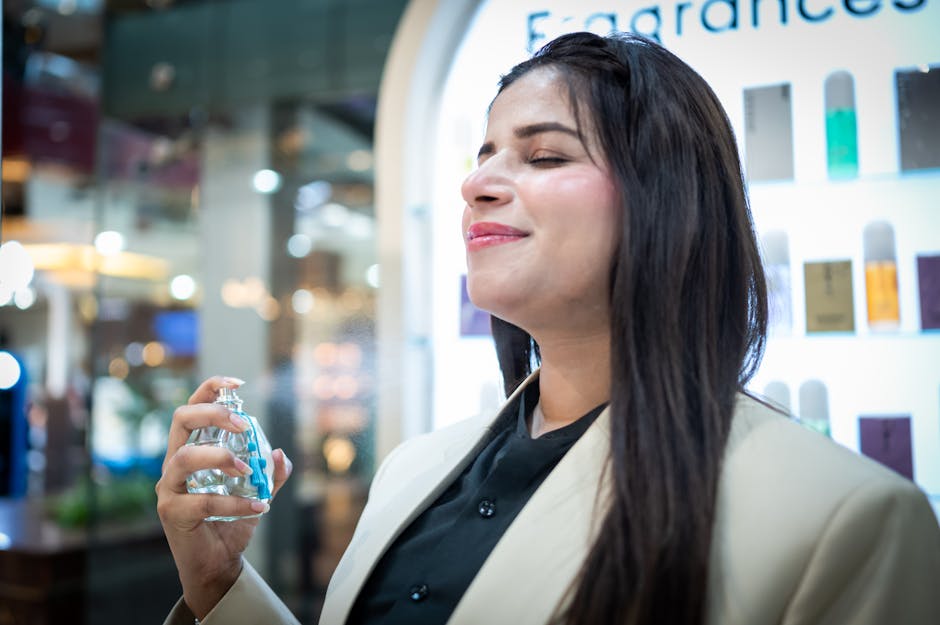
Testing a fragrance before purchasing is also advisable, as body chemistry can alter how a scent smells once applied. It’s common for a perfume to smell different on the skin compared to a tester strip, so allowing it to settle for a few hours before making a decision can help ensure satisfaction.
Conclusion
Perfume is much more than a pleasant scent; it is a rich tapestry of history, science, and artistry that continues to evolve. As we explore the world of fragrance, we gain a deeper understanding of its role in our lives—how it can evoke memories, enhance our mood, and even serve as an extension of our identity. Whether you’re a seasoned fragrance enthusiast or just beginning your journey, the world of perfume offers endless possibilities for discovery and enjoyment.