









In an age where home invasions and burglaries are increasingly common, ensuring the safety of your home has never been more critical. A reliable home security system can provide peace of mind, protecting your loved ones and valuable possessions. This article delves into the various aspects of home security systems, offering insights on types, features, and how to choose the right one for your needs.
Understanding Home Security Systems
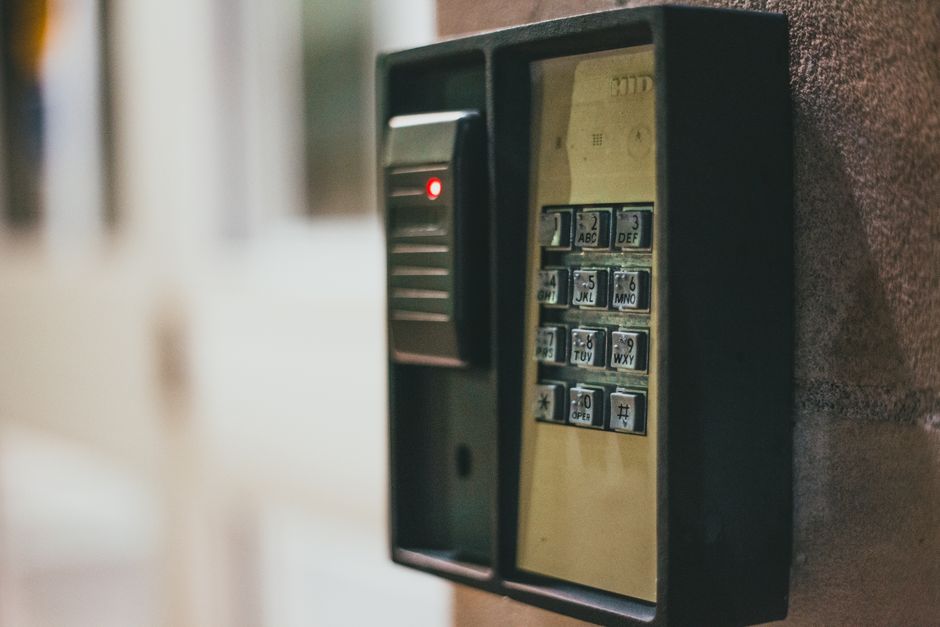
Home security systems are designed to protect homes from intruders and other threats. They typically consist of various components, including alarms, cameras, and sensors, which work together to monitor your property. Understanding how these systems function can help you make informed decisions when selecting one for your home.
Most home security systems operate on a simple premise: they detect unauthorized access and alert the homeowner or authorities. Alarms can be triggered by motion detectors, door/window sensors, or even security cameras that utilize advanced motion detection technologies. Additionally, modern systems often allow remote monitoring via smartphones, enabling homeowners to keep an eye on their property from anywhere.
Types of Home Security Systems
There are several types of home security systems available, each with its own set of features and benefits. Some of the most common types include:
Wired Systems: These systems require physical wiring for installation and are typically more reliable but can be more challenging to install and less flexible in terms of relocation.
Wireless Systems: Wireless security systems use Wi-Fi or cellular networks to transmit data. They are easier to install and can be moved without much hassle, making them a popular choice for many homeowners.
Monitored Systems: With monitored systems, a professional monitoring service keeps an eye on your home 24/7. If an alarm is triggered, they can quickly alert the authorities, providing an extra layer of security.
Unmonitored Systems: These systems are self-contained and do not connect to a monitoring service. While they can alert you when an intrusion is detected, they do not offer the same level of immediate response as monitored systems.
Key Features to Look for in a Home Security System
When choosing a home security system, there are several key features you should consider:
Video Surveillance: High-definition cameras can provide visual evidence in case of an incident. Look for systems with night vision and motion detection capabilities.
Smart Home Integration: Many modern systems can integrate with smart home devices such as lights, locks, and thermostats, providing enhanced control and automation.
Mobile Access: Choose a system that allows you to monitor your home remotely through an app, giving you peace of mind when you are away.
Customization Options: A good home security system should allow you to customize alerts and settings according to your lifestyle and preferences.
For more information on the best options available, consider researching various home security systems that suit your needs.
Installation and Maintenance of Home Security Systems
Proper installation and maintenance are crucial for the effectiveness of any security system. While some systems are designed for DIY installation, others may require professional help. When installing your system, consider the following:
Strategic Placement: Cameras and sensors should be positioned to cover all entry points and vulnerable areas of your home. A thorough assessment of your property can help you determine the best locations.
Regular Maintenance: Schedule periodic checks to ensure that all components are functioning correctly. This includes testing alarms, checking battery levels, and updating software for smart systems.
Training Household Members: Ensure that everyone in your household knows how to operate the security system. This includes understanding how to arm/disarm the system, respond to alarms, and use mobile apps for monitoring.
Cost Considerations for Home Security Systems
The cost of a home security system can vary widely based on the type, features, and installation requirements. Here are some factors that can influence the overall cost:
Initial Equipment Costs: The price of cameras, sensors, and alarms can add up quickly, especially if you opt for high-quality equipment.
Monitoring Fees: If you choose a monitored system, be prepared to pay monthly fees for professional monitoring services.
Installation Costs: Professional installation can be an added expense, but it may be worth it for more complex systems.
Ultimately, investing in a home security system is a proactive step towards safeguarding your property and loved ones. While the costs can be significant, the peace of mind and protection they provide far outweigh the expenses involved.
Conclusion
In conclusion, a well-thought-out home security system is an essential element of modern home safety. By understanding the different types of systems, their key features, and the importance of installation and maintenance, you can make an informed decision that best suits your needs. As crime rates fluctuate, investing in a reliable home security system not only protects your assets but also enhances your overall sense of security. Take the time to evaluate your options and choose a system that aligns with your lifestyle and budget.