










Trade shows represent a unique opportunity for businesses to showcase their products and services, network with potential clients, and gain valuable industry insights. In a crowded exhibition hall, standing out from the competition is essential, and one of the most effective ways to achieve this is through a well-designed trade show display. This article will explore the various types of displays, their benefits, and how to create an impactful presence at your next event.
Understanding Different Types of Trade Show Displays
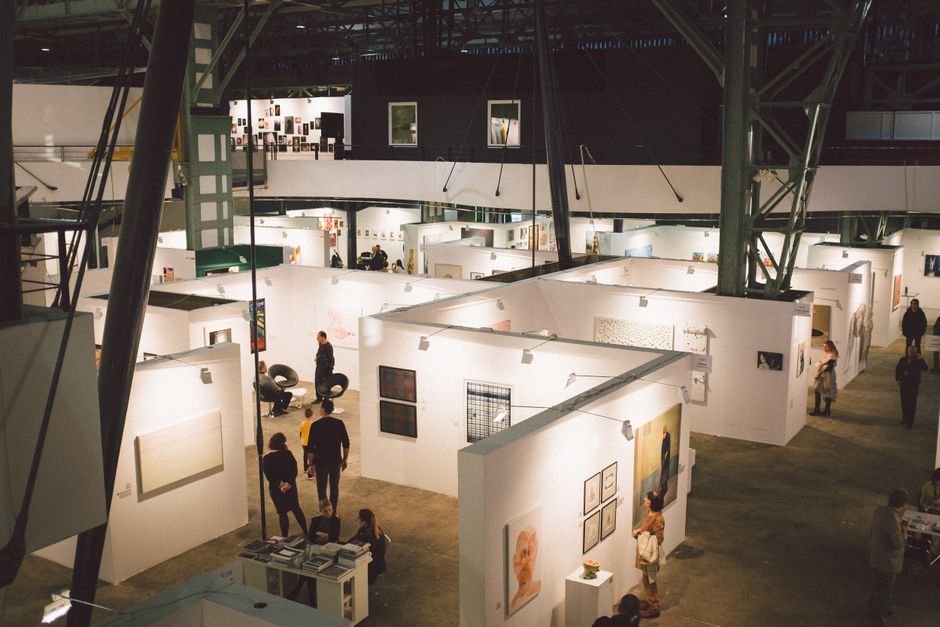
Trade show displays come in numerous forms, each catering to different needs and objectives. The most common types include pop-up displays, banner stands, and custom exhibits. Pop-up displays are often lightweight and portable, making them ideal for businesses that attend multiple events throughout the year. They can be easily set up and taken down, which saves time and effort.
Banner stands, on the other hand, are excellent for highlighting specific products or services. They are typically tall and narrow, drawing the eye of attendees from a distance. Custom exhibits offer the most flexibility and creativity, allowing brands to design a unique space that fully represents their identity. These displays can include interactive elements, multimedia presentations, and product demonstrations, creating an engaging experience for visitors.
Choosing the right type of display is crucial for effectively conveying your brand message. A well-thought-out exhibit can enhance visibility, attract foot traffic, and ultimately lead to increased sales.
The Importance of Design in Trade Show Displays
Design plays a pivotal role in the success of a trade show display. A visually appealing setup can immediately capture attention and convey professionalism. Essential components of effective design include color schemes, graphics, and layout. Colors should align with your brand identity and evoke the right emotions in your target audience. For instance, blue often conveys trust and reliability, while red can evoke excitement and urgency.
Graphics should be clear and concise, showcasing key messages and essential information without overwhelming viewers. It’s important to use high-quality images and text that are easy to read from a distance. A well-thought-out layout will guide visitors through your display, making it easy for them to navigate and engage with your offerings.
Moreover, incorporating interactive elements can enhance the overall experience. Touch screens, virtual reality displays, and product samples encourage visitors to engage with your brand, making a lasting impression.
Budgeting for Your Trade Show Display
When planning for a trade show, establishing a budget for your display is essential. Costs can vary significantly based on the type of display, materials used, and additional features. A simple pop-up display might be relatively inexpensive, whereas a custom exhibit can run into the thousands of dollars.
It’s also important to consider the costs associated with transportation, setup, and takedown. Many companies overlook these expenses, which can lead to budget overruns. Setting aside a contingency fund can help mitigate unexpected costs and ensure you stay within your overall budget.
Additionally, investing in high-quality materials can pay off in the long run. A durable display can withstand multiple uses and maintain its visual appeal, reducing the need for frequent replacements.
Marketing Your Trade Show Display
Once your display is ready, effective marketing is key to maximizing its impact. Utilizing social media, email campaigns, and press releases can help create buzz around your presence at the event. Engaging potential attendees before the show can drive traffic to your booth and increase your chances of generating leads.
During the event, consider hosting giveaways or contests to attract visitors. This not only draws people to your display but also creates excitement and engagement. Make sure to collect contact information from participants to follow up after the event.
Furthermore, leveraging technology can enhance your marketing efforts. Consider using QR codes on your display that link to your website, social media pages, or promotional videos. This allows attendees to easily access more information about your products and services, fostering ongoing engagement.
Measuring the Success of Your Trade Show Display
After the trade show, it’s crucial to evaluate the effectiveness of your display. Assessing the success of your trade show display can provide valuable insights for future events. Start by tracking metrics such as the number of leads generated, the amount of foot traffic at your booth, and overall attendee engagement.
Gathering feedback from your team can also highlight areas for improvement. Discuss what worked well and what could be enhanced for future displays. Additionally, consider following up with leads after the event to gauge the quality of the interactions.
By analyzing these factors, you can refine your strategy and ensure that your next trade show display is even more impactful.
Conclusion
In conclusion, a well-planned and executed trade show display can significantly enhance your business’s visibility and engagement with potential clients. By understanding the different types of displays, focusing on effective design, budgeting wisely, marketing your presence, and measuring success, you can maximize your impact at trade shows. As you prepare for your next event, consider investing in a quality trade show display to ensure your brand stands out in a competitive landscape.