







Greenhouses have become an essential part of modern agriculture, allowing for controlled environments that promote optimal plant growth. With the increasing interest in sustainable gardening and farming, understanding the key equipment required for a functional greenhouse is vital. This article will explore various types of greenhouse equipment, their benefits, and how they can enhance your gardening experience.
Understanding Greenhouse Structures
The foundation of any greenhouse is its structure. Common materials used for greenhouse frames include aluminum, steel, and wood, each offering different benefits. For instance, aluminum frames are lightweight and resistant to corrosion, making them ideal for long-term use. On the other hand, wooden frames provide excellent insulation but require more maintenance.
The covering material also plays a crucial role in determining the efficiency of the greenhouse. Polycarbonate panels, glass, and polyethylene film are common options. Polycarbonate panels are known for their durability and UV protection, while glass provides optimal light transmission. Ultimately, the choice of materials will depend on your budget, climate, and the specific plants you wish to grow.
Heating and Cooling Systems
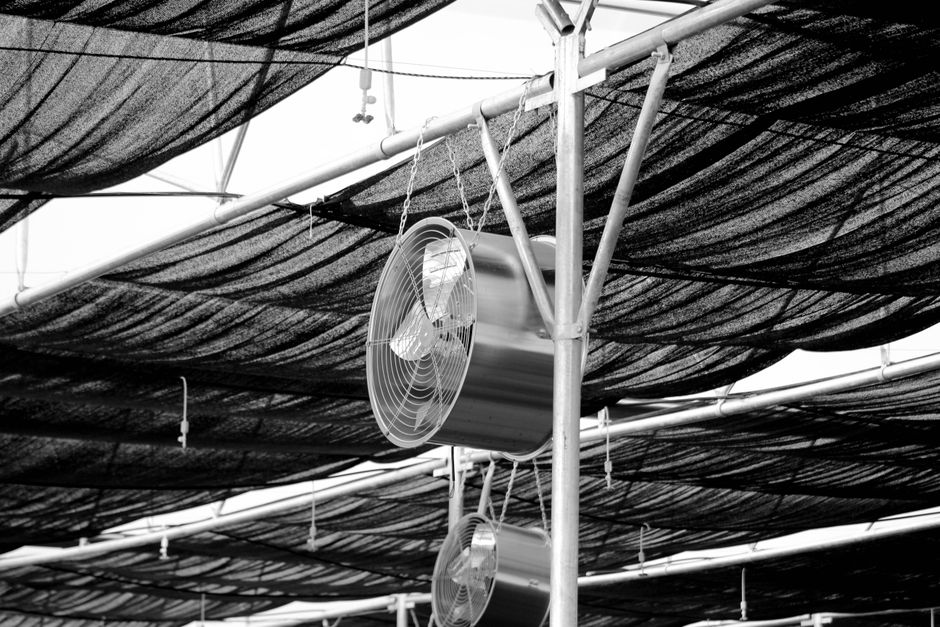
Maintaining the right temperature is crucial for plant health. Greenhouses often require both heating and cooling systems to regulate temperature throughout the year. In colder months, heating devices like gas or electric heaters can keep the environment warm enough for growth. Conversely, in summer, ventilation systems, such as exhaust fans and shade cloths, can help cool the space.
Investing in a good thermostat can also help automate these systems, ensuring that the temperature remains within the optimal range for your plants. Some advanced models even allow you to monitor conditions remotely via smartphone apps, which can be a game-changer for busy gardeners.
Irrigation Techniques for Healthy Growth
Watering your plants adequately is another critical aspect of greenhouse management. Traditional watering methods can lead to over or under-watering, which can be detrimental to plant health. Therefore, many greenhouse owners opt for automated irrigation systems such as drip irrigation or misting systems.
Drip irrigation systems deliver water directly to the plant’s roots, minimizing water wastage and ensuring that plants receive the right amount of moisture. Meanwhile, misting systems can maintain humidity levels, which is particularly beneficial for tropical plants. For those looking to streamline their greenhouse operations, integrating these systems with a moisture sensor can further enhance efficiency.
Lighting: A Key Component
Proper lighting is essential for photosynthesis, especially during shorter days. While natural sunlight is ideal, many greenhouse owners supplement with artificial lighting to ensure plants receive adequate light, regardless of the season. LED grow lights are increasingly popular due to their energy efficiency and ability to provide the specific light spectrum that plants need for growth.
When selecting grow lights, consider the types of plants you are growing and their specific light requirements. Some plants may thrive under full-spectrum lights, while others might do better with specialized lights that emphasize red or blue wavelengths.
Monitoring and Control Systems
With advancements in technology, modern greenhouses often come equipped with sophisticated monitoring and control systems. These systems allow you to track various environmental factors such as temperature, humidity, and light levels, providing real-time data that can inform your gardening practices.
Investing in a comprehensive greenhouse management system can help optimize plant health and yield. Many of these systems can be accessed remotely, allowing for adjustments to be made even when you’re not physically present. This level of control can lead to more successful and productive gardening outcomes.
Conclusion
In conclusion, equipping your greenhouse with the right tools and systems is essential for creating an optimal environment for plant growth. From choosing the right structure to implementing advanced irrigation and lighting solutions, every decision plays a crucial role in your gardening success. As you explore the various options available, consider integrating greenhouse equipment that best meets your needs, ensuring that your plants thrive in a controlled and nurturing environment.