










In today’s fast-paced business environment, the risk of falling victim to fraudulent invoices has increased significantly. Fraudulent invoices can lead to substantial financial losses, damaging a company’s reputation and affecting its operations. Understanding how to detect fraud invoices is essential for any organization that engages in transactions with suppliers or service providers. This article delves into practical strategies, tools, and techniques that businesses can utilize to safeguard themselves against fraudulent activities.
Understanding Invoice Fraud
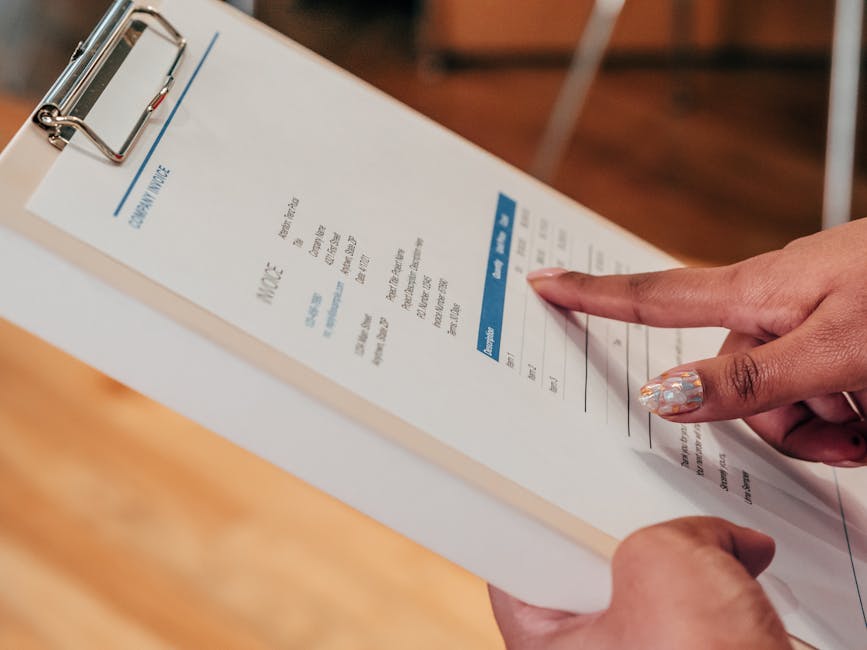
Invoice fraud occurs when a scammer creates a fake invoice to trick a company into making a payment for goods or services that were never delivered. According to a report by the Association of Certified Fraud Examiners, organizations lose an average of 5% of their revenue to fraud each year, with invoice fraud being one of the most common types. Fraudsters are becoming increasingly sophisticated, employing tactics that can make their fake invoices appear legitimate.
There are various forms of invoice fraud, including billing schemes, fake vendors, and altered invoices. Each type has its unique characteristics, making it crucial for businesses to stay vigilant and continuously educate themselves about emerging fraud tactics.
Recognizing Red Flags
Detecting fraudulent invoices starts with recognizing the common red flags associated with them. One of the most significant indicators of invoice fraud is discrepancies in the details of the invoice. This could include incorrect addresses, mismatched vendor names, or unusual payment terms. Businesses should always verify the legitimacy of the vendor associated with the invoice.
Another important red flag is the urgency of payment requests. Scammers often pressure companies to act quickly, claiming that failure to pay immediately may result in service disruptions or penalties. Additionally, businesses should be cautious of invoices that lack supporting documentation, such as purchase orders or delivery receipts.
Implementing Verification Processes
To effectively detect fraud invoices, organizations should establish robust verification processes. This includes implementing a two-step verification process where invoices must be approved by multiple individuals before payment is made. This strategy helps ensure that invoices are thoroughly reviewed and verified before any funds are disbursed.
Moreover, it is advisable to maintain a centralized database of approved vendors. This database should include the vendors’ contact information, services provided, and payment terms. Regularly updating this database can help businesses avoid making payments to fraudulent entities. detect fraud invoice by cross-referencing invoices with this database can significantly reduce the risk of payments going to scammers.
Utilizing Technology for Fraud Detection
Advancements in technology have led to the development of various tools designed to help businesses detect fraudulent invoices. For instance, optical character recognition (OCR) technology can be used to scan invoices and extract relevant information automatically. This reduces human error and speeds up the verification process.
Additionally, employing machine learning algorithms can help identify patterns in invoice data that may indicate fraud. These algorithms can analyze historical payment data to flag anomalies, such as sudden increases in invoice amounts or unusual vendor activity. Investing in such technologies can provide businesses with an added layer of security against invoice fraud.
Training Employees on Fraud Awareness
Employee training is a crucial aspect of fraud prevention. Regular workshops and training sessions can equip employees with the knowledge needed to identify potential fraud. Employees should be encouraged to report suspicious invoices and to understand the importance of following established verification processes.
Creating a culture of fraud awareness within the organization can empower employees to take ownership of fraud prevention. When employees are well-informed about the risks and signs of invoice fraud, they become an essential line of defense for the business.
Conclusion
In conclusion, detecting fraudulent invoices is an ongoing process that requires vigilance, awareness, and the right tools. By recognizing red flags, implementing verification processes, utilizing technology, and training employees, businesses can significantly reduce their risk of falling victim to invoice fraud. As the tactics used by fraudsters evolve, so too must the strategies employed by organizations to protect themselves. A proactive approach is essential to safeguarding finances and maintaining the integrity of operations in today’s competitive landscape.