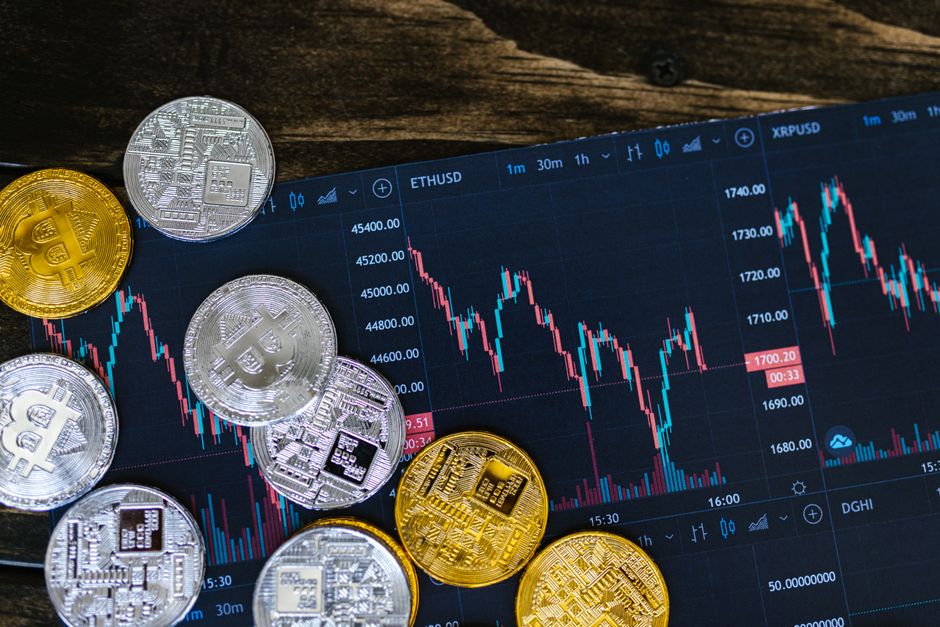










Bitcoin has evolved from a niche digital currency to a mainstream investment asset, captivating the attention of both seasoned investors and newcomers alike. As we delve into the dynamics of Bitcoin investment, it is crucial to understand the factors driving its popularity, the risks involved, and the potential for future growth. This article explores these aspects, providing valuable insights for anyone considering investing in Bitcoin.
The Rise of Bitcoin and Its Investment Appeal

Since its inception in 2009, Bitcoin has seen an exponential rise in value, sparking interest from various sectors. The allure of high returns, coupled with the promise of decentralization and digital ownership, has drawn many to explore Bitcoin investment. In December 2017, Bitcoin reached an all-time high of nearly $20,000, and despite facing significant volatility, its price has rebounded dramatically in recent years, with another peak in 2021.
The increasing acceptance of Bitcoin as a legitimate asset class is evident in the growing number of institutional investors entering the market. Companies like Tesla and MicroStrategy have invested billions in Bitcoin, signaling a shift in perception from speculative asset to a store of value similar to gold. This trend is fueled by the perception of Bitcoin as a hedge against inflation, particularly in times of economic uncertainty.
Moreover, the development of financial products such as Bitcoin ETFs (Exchange-Traded Funds) has made it easier for retail investors to gain exposure to Bitcoin without the complexities of directly purchasing and storing the cryptocurrency. These products have significantly contributed to the mainstream adoption of Bitcoin investment.
Understanding the Risks of Bitcoin Investment
Despite its potential for high returns, investing in Bitcoin is not without risks. The volatility of Bitcoin prices can lead to substantial losses in a short period. For instance, after reaching its peak in April 2021, Bitcoin’s price plummeted by over 50% in just a few months. Such fluctuations can be unsettling for investors, especially those with a low risk tolerance.
Additionally, regulatory risks pose a significant concern for Bitcoin investors. Governments around the world are still grappling with how to regulate cryptocurrencies, which could impact their legality and usage. For example, China’s crackdown on cryptocurrency mining and trading in 2021 sent shockwaves through the market, leading to a sharp decline in Bitcoin’s price.
Security risks also cannot be overlooked. While Bitcoin transactions are secured through blockchain technology, exchanges and wallets can be vulnerable to hacking. Investors must take precautions by choosing reputable exchanges and utilizing hardware wallets for storage.
Investment Strategies for Bitcoin
For those looking to invest in Bitcoin, developing a sound investment strategy is essential. One popular approach is dollar-cost averaging (DCA), where investors purchase a fixed dollar amount of Bitcoin at regular intervals, regardless of its price. This strategy helps mitigate the impact of volatility and reduces the risk of making significant investments at market peaks.
Another strategy is to diversify investments across various cryptocurrencies rather than solely focusing on Bitcoin. While Bitcoin remains the leading cryptocurrency, other projects like Ethereum and Binance Coin have also shown significant growth and potential. Diversification can spread risk and open up additional opportunities for profit.
Investors should also stay informed about market trends and developments in the cryptocurrency space. Understanding the technological advancements, regulatory changes, and macroeconomic factors influencing Bitcoin can provide valuable insights for making informed investment decisions.
The Future of Bitcoin Investment
The future of Bitcoin investment remains a topic of much debate. As more people recognize Bitcoin as a legitimate asset class, its adoption is likely to grow. Analysts predict that Bitcoin could reach new all-time highs, especially as institutional adoption increases and more companies integrate Bitcoin into their operations.
Furthermore, advancements in technology, such as the implementation of the Lightning Network, aim to enhance Bitcoin’s scalability and transaction speed, making it more viable for everyday transactions. As Bitcoin becomes more user-friendly, it may attract a broader audience, further driving demand.
However, it is essential for investors to remain cautious and aware of the inherent risks associated with Bitcoin investment. Continuous education and staying updated on market conditions will be crucial for anyone looking to navigate the evolving landscape of cryptocurrency.
Conclusion
In conclusion, Bitcoin investment presents a unique opportunity for both seasoned and novice investors. While the potential for high returns is appealing, understanding the associated risks and developing a strategic approach is essential. As the cryptocurrency market continues to evolve, staying informed and adaptable will be key to making successful investment choices. For those willing to embrace the risks, Bitcoin can offer a rewarding addition to an investment portfolio. To learn more about the fundamentals of Bitcoin, consider exploring resources that delve deeper into the topic of bitcoin investment.