










Maintaining a septic tank is crucial for ensuring the longevity and efficiency of your home’s wastewater management system. Many homeowners overlook the importance of regular septic tank cleaning, leading to potential issues that can be costly and inconvenient. In this guide, we will discuss the significance of septic tank cleaning, how often it should be done, the steps involved, and tips for proper maintenance. Understanding these factors will help you keep your system in optimal condition.
Why Regular Septic Tank Cleaning is Important
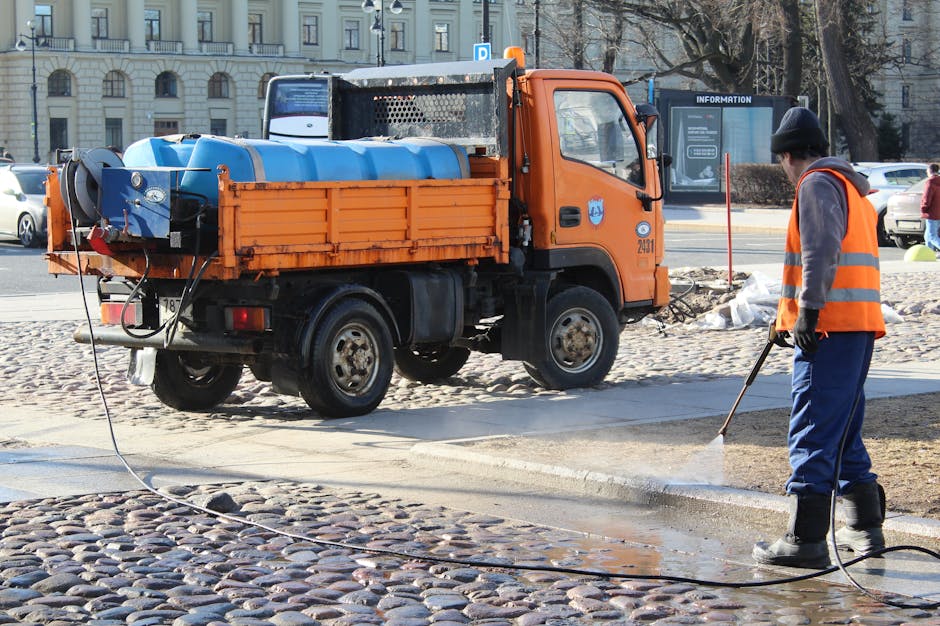
Septic tanks are designed to treat and dispose of household wastewater. Over time, solids and sludge accumulate in the tank, which can lead to clogs and system failures if not addressed promptly. Regular cleaning helps prevent these issues, ensuring that the tank operates efficiently.
According to the Environmental Protection Agency (EPA), a well-maintained septic system can last 20 to 30 years. However, neglecting maintenance can significantly reduce its lifespan. In fact, the average cost of repairing a failed septic system can range from $3,000 to $7,000, making regular cleaning a cost-effective strategy for homeowners.
Additionally, a properly functioning septic system protects the environment. When a septic tank is not cleaned regularly, untreated wastewater may leak into the ground, contaminating local water sources and harming aquatic life.
How Often Should You Clean Your Septic Tank?
The frequency of septic tank cleaning depends on several factors, including the size of the tank, the number of occupants in the home, and the amount of wastewater generated. On average, it is recommended to have your septic tank pumped every 3 to 5 years. However, larger households or those producing significant amounts of wastewater may need to clean their tanks more frequently.
For instance, a family of four with a 1,000-gallon tank may require cleaning every 3 years, whereas a smaller family may extend this period to 5 years. Monitoring your tank’s sludge levels can also provide insight into when cleaning is necessary. If you notice a buildup of sludge or a foul odor, it’s time to call a professional.
Keep in mind that regular inspections can also help identify potential problems before they escalate. Annual check-ups by a septic maintenance professional can save you money in the long run by keeping your system in check.
The Process of Septic Tank Cleaning
Cleaning your septic tank is not a DIY task; it should always be performed by a qualified professional. The cleaning process typically involves the following steps:
1. **Inspection**: Before cleaning, the technician will inspect the tank to assess its condition and determine the best cleaning method.
2. **Pumping**: The technician will use a vacuum pump to remove the sludge and scum layers from the tank. This process usually takes about 30 minutes to an hour, depending on the tank’s size.
3. **Cleaning**: After pumping, the technician may clean the inside of the tank to remove any remaining debris and ensure that the system functions correctly.
4. **Inspection and Maintenance**: Following the cleaning, the technician will check the tank’s baffles and other components for any signs of damage or wear, ensuring everything is in proper working order.
By conducting these steps, you can ensure that your septic system remains functional and efficient for years to come.
Tips for Proper Septic Tank Maintenance
Proper maintenance of your septic system goes beyond just regular cleaning. Here are some practical tips to help you extend the life of your septic tank:
– **Monitor Water Usage**: Be mindful of your water consumption. Excessive water can overwhelm your septic system, leading to backups and failures. Spread out laundry loads and avoid running multiple appliances simultaneously.
– **Avoid Flushing Non-Biodegradable Items**: Items such as wipes, feminine hygiene products, and other non-biodegradable materials can clog your septic system. Only flush toilet paper and human waste.
– **Use Septic-Friendly Products**: Opt for biodegradable and septic-safe cleaning products. Harsh chemicals can disrupt the natural bacterial processes in your septic tank.
– **Maintain Drain Field**: Ensure that the drain field is clear of heavy objects, vehicles, or structures that could compress the soil and damage the system. Grass is ideal for covering the drain field, as it helps absorb moisture without adding excessive weight.
Incorporating these maintenance tips can significantly reduce the likelihood of septic issues, allowing you to enjoy a worry-free home environment.
Conclusion
Septic tank cleaning is a vital aspect of home maintenance that should not be overlooked. By understanding the importance of regular cleaning, knowing how often to schedule it, and following best practices for maintaining your septic system, you can prevent costly repairs and ensure a safe, healthy environment for your family. Remember, if you are unsure about any aspect of septic maintenance, it is always wise to consult with a professional to keep your system running smoothly.
For those looking to learn more about septic maintenance, consider visiting a reliable service provider to get the best insights and assistance in maintaining your septic system.