










In recent years, aquaponics has gained immense popularity as a sustainable method of food production that combines aquaculture and hydroponics. This innovative technique allows gardeners to grow vegetables and fish together in a symbiotic environment. As more people seek to adopt eco-friendly practices, aquaponics kits have become an attractive option for both novice and experienced gardeners. In this article, we will explore the benefits of aquaponics kits, how they work, and what to consider when choosing the right one for your needs.
Understanding Aquaponics: The Basics
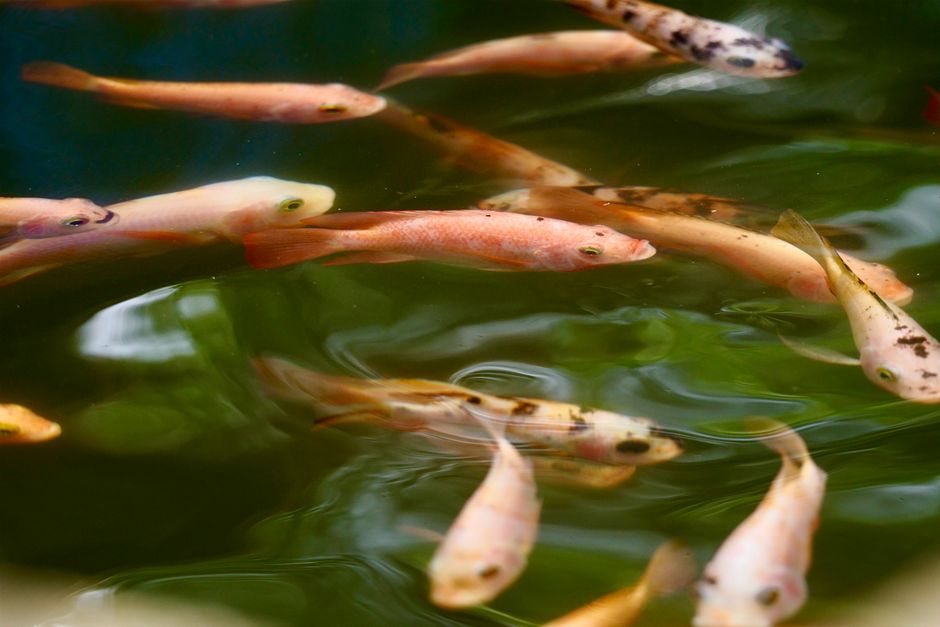
Aquaponics is a system that integrates aquaculture (raising fish) with hydroponics (growing plants in water). The fish produce waste that provides essential nutrients for the plants, while the plants help filter and purify the water for the fish. This closed-loop system not only maximizes space and resources but also minimizes waste. For instance, a study by the University of the Virgin Islands found that aquaponics systems can produce up to 10 times more food per square foot than traditional farming methods.
At its core, an aquaponics system consists of three main components: the fish tank, the grow bed, and the plumbing that connects them. In a typical setup, fish are housed in a tank, and their waste is pumped to the grow bed where plants are cultivated. As the plants absorb the nutrients, they help maintain water quality, creating a healthy environment for the fish.
The Advantages of Using Aquaponics Kits
One of the primary advantages of aquaponics kits is their ability to promote sustainable gardening practices. By using less water than traditional soil gardening—up to 90% less—these kits allow individuals to grow food in urban settings where space and resources may be limited. Additionally, aquaponics systems can be set up indoors or outdoors, making them versatile for various living situations.
Moreover, aquaponics kits can produce organic food without the need for chemical fertilizers or pesticides. This is particularly appealing to health-conscious consumers who want to avoid harmful substances in their diets. A well-maintained aquaponics system can yield fresh vegetables and fish year-round, ensuring a consistent supply of healthy food.
Choosing the Right Aquaponics Kit
When selecting an aquaponics kit, several factors should be considered to ensure it meets your needs. First, assess the available space and determine whether you want a small, home-based system or a larger, more complex setup. Many kits are designed for beginners and come with easy-to-follow instructions, making them an excellent starting point.
Next, consider the types of fish and plants you want to grow. Some kits are tailored for specific species, while others offer more flexibility. For example, tilapia is a popular choice for fish due to its fast growth rate and hardiness, while leafy greens like lettuce and herbs thrive in aquaponics systems.
Finally, look for kits that include all necessary components, such as pumps, filters, and grow media. A comprehensive kit will save you time and effort, allowing you to focus on cultivating your garden. For those interested in a complete solution, exploring options like an aquaponics kit can simplify the process.
Maintaining Your Aquaponics System
Setting up an aquaponics system is just the beginning; maintaining it is crucial for success. Regular monitoring of water quality, including pH levels, ammonia, nitrite, and nitrate concentrations, is essential. These parameters significantly affect the health of both fish and plants. Investing in a good water testing kit can help keep everything in balance.
Feeding the fish is another critical aspect of maintaining an aquaponics system. It’s important to provide a balanced diet that meets the nutritional needs of the fish while avoiding overfeeding, which can lead to water quality issues. Additionally, pruning plants regularly and ensuring they receive adequate light will promote healthy growth and productivity.
Real-Life Success Stories
Aquaponics has been successfully implemented in various settings, from small home gardens to commercial farms. For instance, a community aquaponics project in the United States has helped provide fresh produce to local food banks, reducing food insecurity in the area. Similarly, schools have adopted aquaponics systems as part of their science curriculum, allowing students to learn about ecosystems and sustainability in a hands-on manner.
These success stories highlight the potential of aquaponics to contribute to local food systems and educate communities about sustainable practices. With the right resources and commitment, anyone can enjoy the benefits of aquaponics.
Conclusion: The Future of Sustainable Gardening
Aquaponics kits offer a promising avenue for individuals looking to engage in sustainable gardening. With their ability to produce healthy food with minimal environmental impact, these systems are becoming increasingly popular among urban gardeners and eco-conscious consumers. By understanding the basics of aquaponics, selecting the right kit, and committing to proper maintenance, anyone can reap the benefits of this innovative agricultural technique. As more people embrace aquaponics, we can look forward to a future where food production is not only efficient but also environmentally responsible.