








Cardiopulmonary Resuscitation (CPR) is a crucial lifesaving technique that can significantly increase the chances of survival for individuals experiencing cardiac arrest. While many people are aware of the term, few understand the intricacies of performing CPR effectively. This article delves into the fundamentals of CPR, its importance, techniques, and the role of training in enhancing community preparedness.
What is CPR?
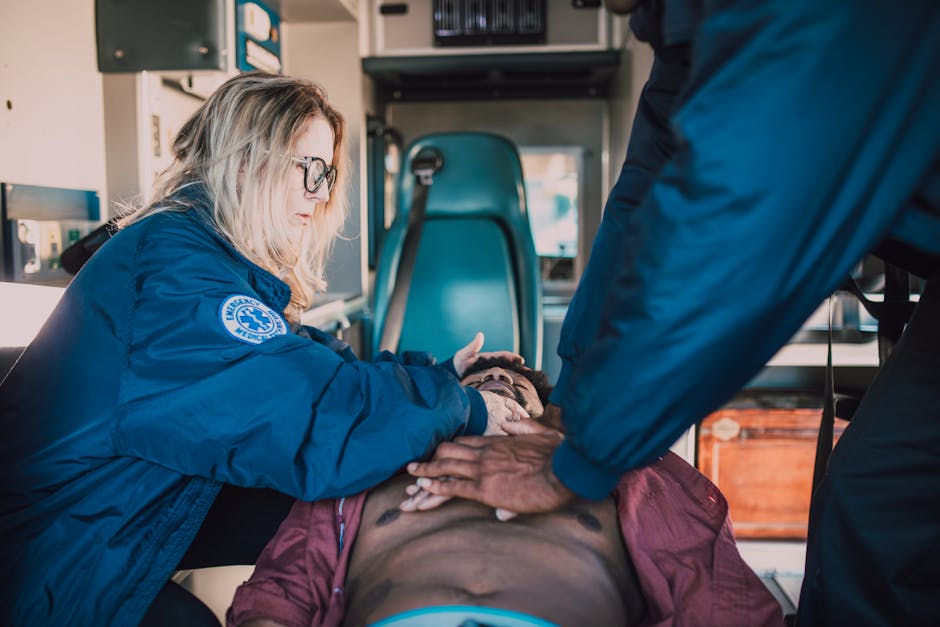
CPR is an emergency procedure performed to restore blood circulation and breathing in a person who has stopped breathing or whose heart has stopped beating. It combines chest compressions and rescue breaths to maintain vital blood flow to the organs until professional medical help arrives. Understanding the mechanism of CPR is essential for anyone who may find themselves in a situation requiring this lifesaving skill.
According to the American Heart Association, effective CPR can double or triple a victim’s chance of survival. However, it is vital to perform CPR correctly, as improper techniques can lead to complications. This highlights the importance of proper training and familiarity with the procedure.
The Importance of CPR Training
Training in CPR is not just for healthcare professionals; it is crucial for everyone. Whether you are a parent, teacher, or bystander, knowing how to perform CPR can make a significant difference in emergency situations. Statistics show that approximately 350,000 cardiac arrests occur outside of hospitals each year in the United States, with bystander CPR being a critical factor in survival rates.
Many communities offer CPR training courses to educate citizens about the techniques involved. For instance, in Stockholm, various organizations provide courses that teach individuals how to respond effectively to cardiac emergencies. One such resource is the HLR kurs Stockholm, which focuses on practical skills and knowledge necessary for performing CPR.
Steps to Perform CPR
Performing CPR involves several key steps that need to be followed carefully:
- Assess the Situation: Ensure the scene is safe, then check the person for responsiveness. If they are unresponsive, call for emergency services immediately.
- Position the Victim: Place the person on their back on a firm surface.
- Begin Chest Compressions: Kneel beside the person and place the heel of one hand on the center of their chest, interlocking your fingers with the other hand. Push hard and fast, at a rate of 100-120 compressions per minute.
- Rescue Breaths: After every 30 compressions, give 2 rescue breaths if trained. Ensure the airway is open, pinch the nose, seal your lips around the person’s mouth, and breathe into them until the chest rises.
- Continue the Cycle: Repeat the cycle of compressions and breaths until emergency help arrives or the person shows signs of life.
Understanding these steps and practicing them in a controlled environment is vital to ensuring you can perform CPR effectively in real-life situations.
Common Myths About CPR
Despite the importance of CPR, several myths persist that can hinder effective response in emergencies. One common misconception is that performing CPR can cause harm to the victim. While there is a risk of injury, the benefits of doing CPR far outweigh the potential harm, especially if it means saving a life.
Another myth is that CPR should only be performed by trained professionals. In reality, anyone can and should perform CPR if necessary. The hands-only CPR technique, which involves chest compressions without rescue breaths, is particularly useful for untrained bystanders and has been shown to be effective in increasing survival rates.
The Role of Technology in CPR
Advancements in technology have also played a significant role in enhancing CPR training and awareness. Mobile applications, online courses, and simulation devices are now available, making it easier for individuals to learn and practice CPR at their own pace.
Moreover, the integration of automated external defibrillators (AEDs) in public spaces has improved the chances of survival for cardiac arrest victims. AEDs are designed to be user-friendly, providing step-by-step instructions to users, making it easier for bystanders to assist in emergencies.
Conclusion
CPR is a vital skill that everyone should learn, as it can save lives in critical situations. Understanding the procedure, the importance of training, and overcoming common myths can empower individuals to act confidently in emergencies. By participating in CPR courses and educating others, we can create a more prepared community. Remember, every second counts in a cardiac emergency, and knowing how to perform CPR can make all the difference.