







In the competitive world of the restaurant industry, the design of the interior space plays a crucial role in attracting and retaining customers. The ambiance created by the interior design can significantly influence a diner’s experience, making it essential for restaurant owners to pay close attention to this aspect of their business. This article will explore the various elements of restaurant interior design, the importance of choosing the right theme, and practical tips for creating a captivating dining environment.
Understanding the Importance of Interior Design
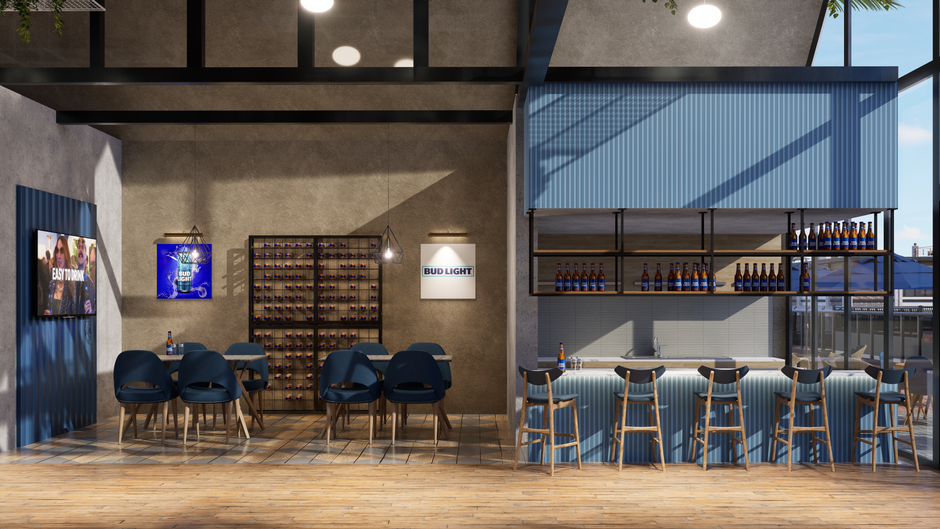
Restaurant interior design is more than just aesthetics; it encompasses the overall experience that guests have while dining. A well-designed space can enhance customer satisfaction, stimulate appetite, and encourage repeat visits. According to a study by the National Restaurant Association, 54% of diners say that the atmosphere of a restaurant is a key factor in their decision to return.
Moreover, the design elements can convey the restaurant’s brand identity. For instance, a fine dining establishment may opt for elegant furnishings and subdued lighting to create a luxurious atmosphere, while a casual eatery might choose vibrant colors and eclectic decor to reflect a more relaxed vibe. This alignment between design and branding is essential in establishing a strong market presence.
Key Elements of Restaurant Interior Design
When it comes to restaurant interior design, several key elements should be considered:
1. **Layout**: The flow of the restaurant is crucial in ensuring that guests can move comfortably throughout the space. Effective layouts not only enhance the dining experience but also improve operational efficiency. For example, placing the kitchen close to dining areas can streamline service and reduce wait times.
2. **Color Palette**: Colors can evoke emotions and set the mood. Warm tones like reds and oranges can stimulate appetite and conversation, while cooler shades like blues and greens may create a calming atmosphere. Selecting the right color palette is essential in aligning the restaurant’s theme with the desired dining experience.
3. **Lighting**: Lighting can dramatically alter the ambiance of a space. Soft, dim lighting may be suitable for a romantic dinner setting, while bright, functional lighting could be ideal for a bustling cafe. Incorporating layers of lighting—ambient, task, and accent—can help achieve the perfect balance.
Choosing the Right Theme
The theme of a restaurant is a foundational aspect of its interior design. It should resonate with the target audience and enhance the overall dining experience. Here are some popular themes and their characteristics:
1. **Industrial**: This theme often features raw materials, exposed brick, and metal accents. It appeals to a younger demographic and is ideal for casual dining experiences.
2. **Rustic**: Incorporating natural elements like wood, stone, and earthy colors, rustic themes provide a warm and inviting atmosphere. This theme works well for farm-to-table restaurants.
3. **Modern Minimalist**: Clean lines, neutral colors, and functional furniture characterize this theme. It attracts diners looking for a sleek and contemporary dining experience.
Finding the right theme that aligns with the restaurant’s concept and target market is crucial. A cohesive design that tells a story can enhance the dining experience and foster customer loyalty.
Practical Tips for Implementation
Implementing an effective restaurant interior design strategy requires careful planning and execution. Here are practical tips to consider:
1. **Consult Professionals**: Hiring an experienced interior designer who specializes in restaurant design can provide valuable insights and ensure that the space is both functional and aesthetically pleasing. A professional can help navigate the complexities of design while adhering to local building codes and regulations.
2. **Incorporate Flexibility**: Design spaces that can accommodate different dining styles and group sizes. Movable furniture and adaptable layouts can allow for versatility, catering to both small gatherings and larger parties.
3. **Focus on Comfort**: While aesthetics are important, ensuring customer comfort is paramount. Invest in quality seating that encourages diners to linger and enjoy their meals. Consider the acoustics of the space to minimize noise levels, enhancing the overall dining experience.
Trends in Restaurant Interior Design
As the restaurant industry evolves, so do the trends in interior design. Current trends include:
1. **Sustainable Design**: A growing number of restaurants are focusing on eco-friendly materials and practices. This not only appeals to environmentally conscious consumers but also helps reduce operational costs in the long run.
2. **Technology Integration**: With the rise of digital menus and contactless payment options, integrating technology into the design can enhance customer convenience. Interactive elements can also create a unique experience, setting restaurants apart from competitors.
3. **Local Influence**: Many restaurants are drawing inspiration from their local culture and community. Incorporating local art and design elements can create a unique identity and foster a sense of connection with patrons.
In conclusion, a well-thought-out restaurant interior design can significantly impact a restaurant’s success. The right combination of layout, color, lighting, and theme can create an inviting atmosphere that enhances the dining experience. For those looking to transform their restaurant space, exploring options in restaurant interior design can provide valuable insights and inspiration.