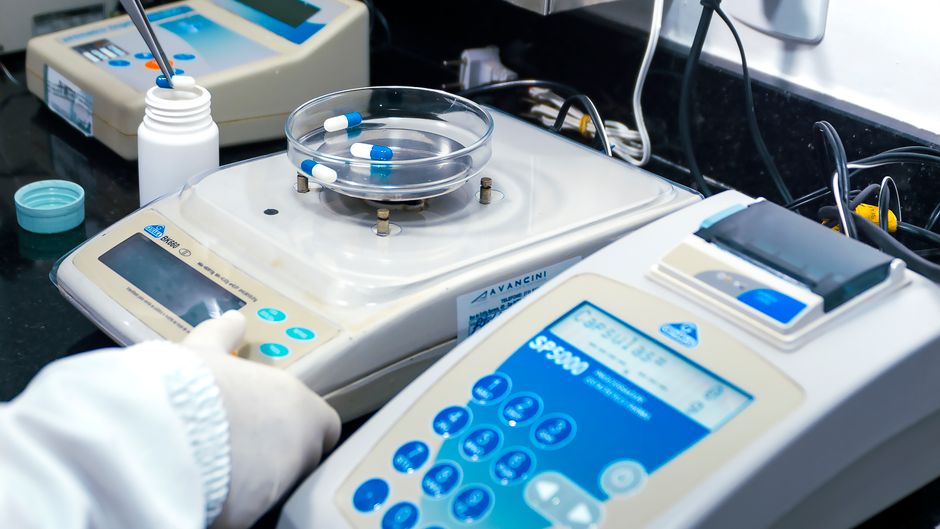










In today’s workplace, the importance of drug testing services cannot be overstated. As companies strive to maintain a safe and productive environment, the implementation of drug testing protocols has become a critical component of human resource management. This article delves into the various aspects of drug testing services, exploring their significance, types, and the implications they hold for businesses and employees alike.
Why Drug Testing Services Matter

Drug testing services serve as a preventive measure for organizations aiming to minimize the risks associated with substance abuse. Not only do they help promote a healthy work culture, but they also play a vital role in ensuring compliance with industry regulations. According to the National Institute on Drug Abuse, substance abuse can lead to significant productivity losses, costing employers billions each year in lost workdays and increased healthcare expenses.
Moreover, drug testing can deter potential substance abuse among employees. Knowing that random tests might occur can discourage individuals from engaging in drug use, fostering a safer work environment. In fact, studies have shown that workplaces with stringent drug testing policies report lower rates of absenteeism and accidents, further emphasizing their importance.
Types of Drug Testing Services
There are several types of drug testing services available, each designed to meet different needs and situations. The most common types include:
- Pre-employment Testing: This type of testing is conducted before hiring a candidate, ensuring that new hires are substance-free.
- Random Testing: Employers may choose to implement random drug testing to maintain ongoing oversight and deter substance use among current employees.
- Post-accident Testing: Following workplace accidents, drug testing can help determine if substance use played a role in the incident.
- Reasonable Suspicion Testing: If an employer suspects an employee may be under the influence, they can require testing based on observable behaviors.
Each of these testing types serves distinct purposes and can be tailored to fit the specific needs of an organization. Businesses must carefully consider which types of testing align with their policies and objectives.
Choosing the Right Drug Testing Service Provider
When it comes to selecting a drug testing service provider, organizations should prioritize reliability and accuracy. A reputable provider will ensure that all tests are conducted in compliance with legal standards and industry guidelines. Furthermore, it is essential to look for providers who offer a comprehensive range of testing options, including urine, hair, and saliva tests.
For example, urine tests are the most common method due to their cost-effectiveness and reliability. However, hair tests can provide a longer detection window, making them advantageous for identifying past substance use. Understanding the strengths and weaknesses of each method can aid organizations in making informed decisions.
Additionally, consider the provider’s turnaround time for results, as timely information is critical for making employment decisions. Engaging with a provider that offers fast and efficient services can help minimize disruptions in the workplace.
Legal and Ethical Considerations in Drug Testing
While drug testing services are essential for fostering a safe workplace, they also come with legal and ethical considerations. Employers must navigate various laws, including the Americans with Disabilities Act (ADA) and the Drug-Free Workplace Act.
It’s crucial for companies to ensure that their drug testing policies do not discriminate against employees or violate privacy rights. Implementing clear communication regarding testing policies and obtaining informed consent from employees can help mitigate potential legal issues.
Moreover, organizations should consider providing support and resources for employees who may struggle with substance abuse. Establishing employee assistance programs (EAPs) can offer individuals the help they need while fostering a supportive workplace culture.
Conclusion
In conclusion, drug testing services play a vital role in maintaining a safe and productive work environment. By understanding the importance of these services, the different types available, and the legal considerations involved, organizations can implement effective drug testing policies that benefit both employers and employees. As businesses continue to prioritize health and safety, investing in reliable drug testing services is an essential step toward achieving these goals. For more comprehensive solutions, consider utilizing a trusted drug testing service that meets your organization’s needs.