










In the world of agriculture, unpredictability is a constant companion. Farmers face numerous challenges, from adverse weather conditions to pest infestations, all of which can severely impact their yield and income. This is where crop insurance comes into play. It acts as a safety net, providing farmers with the financial stability they need to recover from losses and continue their operations. In this article, we will delve into the significance of crop insurance, how it functions, and the various types available to farmers today.
The Necessity of Crop Insurance
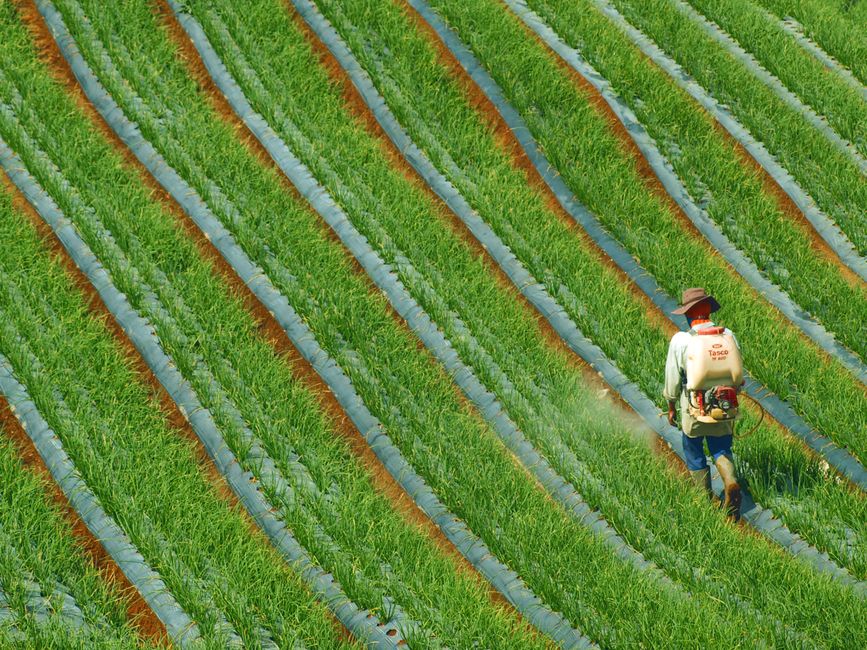
Crop insurance is not merely an option; it is a necessity for farmers in today’s volatile agricultural landscape. According to the USDA, nearly 90% of U.S. farmers utilize some form of crop insurance to protect their investments. This statistic underscores the critical role that crop insurance plays in securing the livelihoods of farmers across the country. With increasing instances of extreme weather events due to climate change, the need for comprehensive coverage has never been more pressing.
Moreover, crop insurance helps stabilize the agricultural market as a whole. When farmers are protected against loss, they are less likely to go bankrupt, which in turn helps maintain the stability of food prices. This is especially important in regions that rely heavily on agriculture as their economic backbone.
How Crop Insurance Works
The mechanics of crop insurance can be complex, but at its core, it is designed to provide financial compensation for losses caused by specific events. Farmers pay a premium based on the type of crop, the level of coverage, and the risk associated with growing that crop. In the event of a loss, they can file a claim to receive compensation, which can help cover production costs and lost income.
There are two primary types of crop insurance: Actual Production History (APH) and Revenue Protection (RP). APH insurance compensates farmers based on their historical yield records, while RP insurance protects against declines in revenue due to decreased yield or market prices. Understanding these options allows farmers to choose the coverage that best fits their needs.
Types of Crop Insurance
Crop insurance comes in various forms, tailored to meet the diverse needs of farmers. Some of the most common types include:
- Multi-Peril Crop Insurance (MPCI): This is the most comprehensive form of crop insurance, covering a wide range of risks including drought, flood, hail, and pest damage.
- Crop-Hail Insurance: As the name suggests, this type of insurance specifically covers losses due to hail damage, which can be particularly devastating for farmers.
- Revenue Insurance: This protects farmers against losses in revenue rather than just yield, taking into account fluctuating market prices.
Each type of insurance serves a unique purpose, and it is essential for farmers to assess their specific risks and choose accordingly.
The Role of Technology in Crop Insurance
In recent years, technology has significantly transformed the landscape of crop insurance. Innovations such as satellite imagery and precision agriculture tools allow insurance providers to assess risks more accurately and offer tailored policies. For instance, by using satellite data, insurers can evaluate crop health in real-time, leading to quicker claims processing and more accurate premium pricing.
Moreover, advanced analytics and machine learning are being employed to predict potential crop losses, enabling farmers to make informed decisions about their insurance options. As technology continues to evolve, it will undoubtedly enhance the efficiency and effectiveness of crop insurance.
The Future of Crop Insurance
Looking ahead, the future of crop insurance appears promising yet challenging. With the escalating impacts of climate change, insurance providers will need to adapt their policies to address new and emerging risks. Additionally, there is a growing trend towards sustainable farming practices, and insurance products that support these initiatives could gain traction.
Furthermore, education and awareness about the importance of crop insurance must be prioritized. Many smallholder farmers are still unaware of the benefits of insurance, which can lead to significant vulnerabilities in their operations. Initiatives aimed at increasing awareness and accessibility will be crucial in ensuring that all farmers can benefit from crop insurance.
Conclusion
In conclusion, crop insurance serves as a vital tool for farmers, providing them with the financial security needed to navigate the uncertainties of agriculture. With the growing challenges posed by climate change and market volatility, having a robust crop insurance policy is more important than ever. By understanding the various types of insurance available and the role of technology in its evolution, farmers can better protect their livelihoods and contribute to the overall stability of the agricultural sector.