









Perfume has been an integral part of human culture for centuries, evoking emotions and memories through scent. From ancient civilizations that used fragrances in religious ceremonies to the modern-day luxury brands that dominate the market, perfumes have the power to enhance our identity and express our individuality. This article explores the fascinating world of perfume, its history, the art of creation, and how to choose the perfect scent.
The Historical Journey of Perfume

The use of perfume dates back to ancient Egypt, where it was closely tied to religious practices and rituals. Egyptians used oils and scented herbs to prepare for the afterlife, believing that these fragrances would please the gods. As trade routes expanded, the knowledge of perfumery spread to Greece and Rome, where it became a symbol of wealth and sophistication.
During the Middle Ages, perfume saw a decline in popularity as Europe faced social and religious upheaval. However, the Renaissance brought a revival of interest in the arts, including perfumery. It was during this period that the first modern perfume was created in the 16th century. The art of fragrance continued to evolve, leading to the establishment of renowned perfume houses in France, which remain influential to this day.
The Art and Science of Perfumery
Creating a perfume is both an art and a science, requiring a deep understanding of chemistry, botany, and sensory perception. Perfumers, often referred to as ‘noses,’ skillfully blend various fragrance notes to create a harmonious scent. The three main components of a fragrance are top notes, middle notes, and base notes. Top notes provide the initial impression, while middle notes form the heart of the fragrance, and base notes offer depth and longevity.
Modern perfumers have access to a vast array of natural and synthetic ingredients. Natural ingredients, such as essential oils from plants, bring authenticity and richness to a fragrance. On the other hand, synthetic ingredients allow for innovation and creativity, enabling perfumers to craft unique scents that would be impossible to achieve with natural components alone. The balance between these elements is crucial in creating a well-rounded perfume.
How to Choose the Perfect Perfume
Choosing a perfume can be a daunting task due to the overwhelming variety available in the market. To find the perfect scent, it’s essential to consider your personal preferences, the occasion, and the season. For instance, lighter, fresher scents are ideal for warm weather, while richer, warmer fragrances are perfect for colder months.
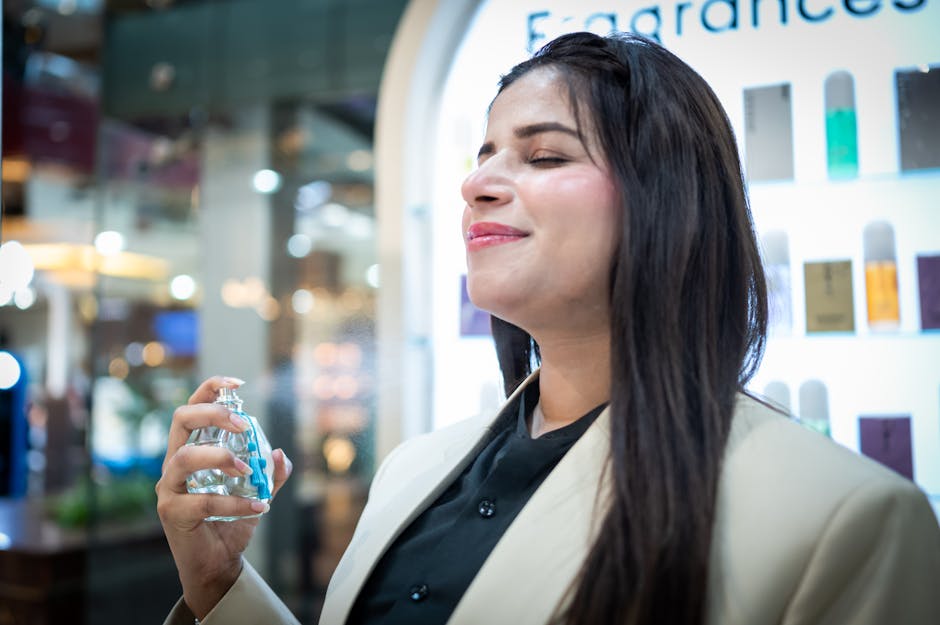
It’s also important to sample fragrances before purchasing. Many perfume stores offer testers, allowing you to experience how a scent evolves on your skin over time. Remember that a perfume may smell different on paper than it does on your body due to the unique chemistry of your skin. A fragrance that you initially love may not work well with your body’s natural oils, so testing is key.
Additionally, consider the brand and its story. Brands like Maison Francis Kurkdjian (MFK) create fragrances with a narrative that may resonate with your own experiences or values. Understanding the inspiration behind a perfume can enhance your connection to it.
The Cultural Significance of Perfume
Perfume is not just a personal accessory; it often carries significant cultural meanings. In many cultures, specific scents are associated with traditions, rituals, and even social status. For example, in some Middle Eastern countries, wearing heavy, musky fragrances is seen as a sign of wealth and sophistication.
Moreover, perfumes can evoke strong emotions and memories, making them powerful tools for self-expression. A particular scent may remind someone of a cherished moment or a loved one, creating a lasting bond between the fragrance and the individual. This emotional connection is why many people choose to wear specific perfumes as a part of their daily routines.
The Future of Perfume
The perfume industry is continually evolving, with trends shifting towards sustainability and personalization. Consumers are increasingly aware of the environmental impact of their purchases, leading brands to seek eco-friendly sourcing and production methods. Additionally, the rise of bespoke fragrances allows individuals to create personalized scents that reflect their unique identities.
Technology is also playing a role in the future of perfumery. With advancements in artificial intelligence and data analysis, brands can create fragrances that align closely with consumer preferences and trends. This innovation will likely lead to a more tailored and interactive experience for fragrance enthusiasts.
Conclusion
Perfume is a captivating blend of history, art, and science that continues to enchant people around the world. Whether you wear it to express your individuality, evoke memories, or simply enjoy the beauty of a well-crafted scent, perfume remains a powerful medium of personal expression. As the industry evolves, the allure of fragrance will undoubtedly continue to inspire future generations to explore the depths of their olfactory identities.