










In a world dominated by fast food and ready-to-eat meals, the charm of handmade pizza stands out as a testament to culinary craftsmanship. Making pizza from scratch not only allows for a personal touch, but it also opens up a world of flavors and textures that mass-produced versions simply cannot replicate. This article explores the intricate process of creating handmade pizza, emphasizing the ingredients, techniques, and the joy it brings to those who indulge in this beloved dish.
The Importance of Quality Ingredients
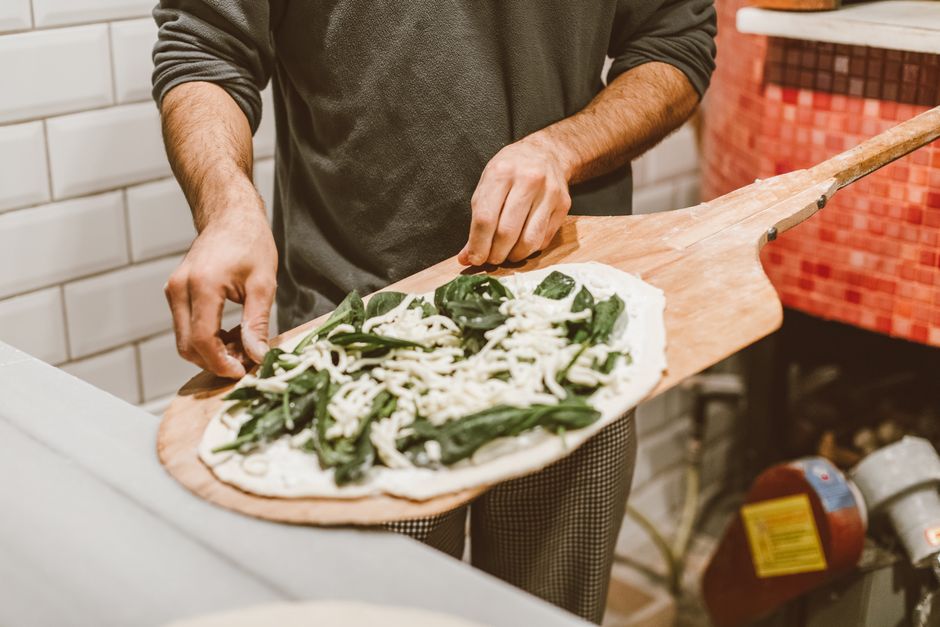
When it comes to handmade pizza, the foundation is undoubtedly the ingredients. High-quality flour, fresh tomatoes, and premium cheese are essential for achieving the perfect crust and rich flavor. Using 00 flour from Italy, for instance, can elevate your dough, providing that desired lightness and chewiness. Freshly sourced toppings, whether it’s locally grown vegetables or artisanal meats, can transform your pizza into a gourmet experience.
Moreover, the choice of cheese is crucial. While mozzarella is the traditional option, exploring alternatives like burrata or goat cheese can add unique flavors. Pairing these cheeses with fresh basil or arugula not only enhances the taste but also adds a vibrant touch to your presentation.
Many enthusiasts also explore homemade sauces, as the tomatoes’ quality can significantly impact the final product. Using San Marzano tomatoes, known for their rich flavor, can elevate your sauce and, consequently, your pizza.
Mastering the Dough
The dough is the heart of any pizza, and mastering it requires practice and patience. A classic pizza dough recipe typically includes flour, water, yeast, and salt. However, the fermentation process is where the magic happens. Allowing the dough to rise for an extended period, often overnight, can develop complex flavors and a better texture.
Once the dough has risen, kneading it properly is essential for gluten development, which gives the pizza its structure. After shaping, it’s critical to let the dough rest. This step ensures that the gluten relaxes, making it easier to stretch and shape without tearing.
For those who wish to experiment, adding ingredients like olive oil or herbs directly into the dough can provide additional flavor dimensions. This personalization makes each handmade pizza unique.
Techniques for Baking the Perfect Pizza
Once your dough is ready and topped, the next step is baking. The cooking environment can significantly affect the final outcome. Traditional wood-fired ovens reach temperatures of around 900°F, allowing for a quick bake that produces a crispy crust with a chewy interior.
For home bakers, using a pizza stone in a conventional oven can mimic this effect. Preheating the stone is crucial, as it helps to absorb moisture from the dough, resulting in a crispier base. It’s also important to keep a close eye on the pizza while it bakes, as cooking times can vary depending on the oven and thickness of the crust.
For those who want to enjoy a luxurious pizza experience at home, consider exploring gourmet options. Places like LUXURY 777 offer unique toppings and combinations that can inspire your handmade creations.
Exploring Regional Styles
Handmade pizza is not a one-size-fits-all dish; it varies significantly across different regions. From Neapolitan pizza, characterized by its soft and chewy crust, to New York-style pizza, which is known for its foldable slices, each type has its unique charm and preparation method.
In Chicago, deep-dish pizza offers a completely different experience with its thick crust and layers of cheese and toppings. Understanding these regional variations can inspire you to experiment and create your own signature style.
Traveling to different places or even visiting local pizzerias can expose you to various techniques and flavors, enriching your handmade pizza journey.
Sharing the Experience
One of the most rewarding aspects of making handmade pizza is sharing it with others. Whether it’s a family gathering or a casual get-together with friends, the process of crafting pizza can be a delightful experience that brings people together.
Consider hosting a pizza night where guests can customize their own pies with a variety of toppings. This not only makes for an interactive meal but also allows everyone to express their creativity. Pairing the pizza with a selection of wines or craft beers can further enhance the dining experience.
The joy of handmade pizza lies not only in its deliciousness but also in the memories created around it. Each pizza baked is a story shared, making it a dish that transcends the plate.
Conclusion
Handmade pizza is more than just a meal; it is an art form that requires attention to detail and a passion for quality ingredients. By mastering the dough, exploring different baking techniques, and embracing regional variations, anyone can create a pizza that is both delicious and personal. Whether you are an experienced chef or a beginner in the kitchen, the world of handmade pizza is open to all, inviting you to embark on a culinary journey filled with flavor and creativity.