










Education is undergoing a transformative phase, driven by technology, changing societal needs, and an ever-evolving job market. As we enter a new era of learning, understanding the trends and innovations that are shaping education becomes paramount for students, educators, and policymakers alike. This article explores the most significant developments in education today, offering insights into how these changes will impact future generations.
The Rise of Online Learning
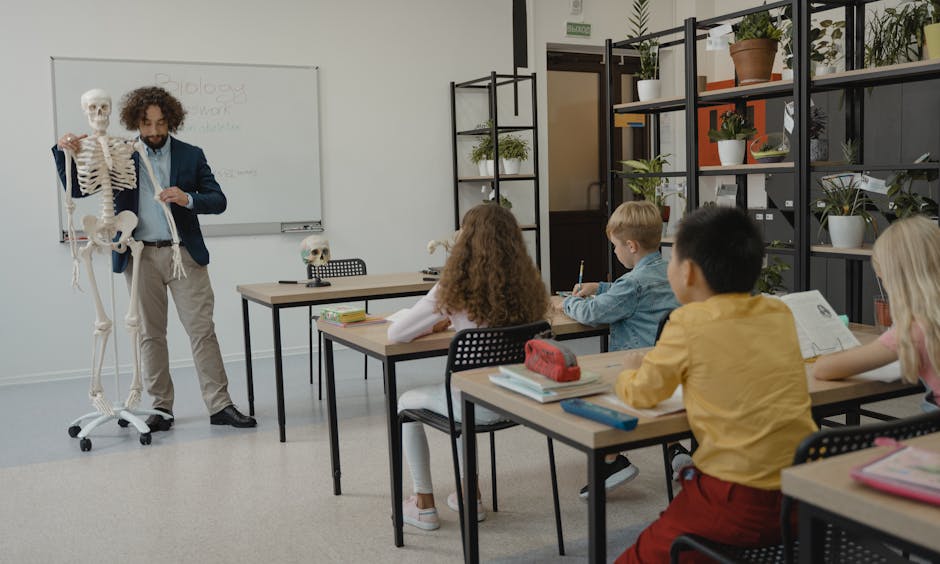
Online learning has surged in popularity, especially in the wake of the COVID-19 pandemic. Institutions worldwide have adapted to remote learning environments, enabling students to access quality education from the comfort of their homes. According to a report by the National Center for Education Statistics, over 30% of students in higher education were enrolled in at least one online course in 2021.
This shift has not only expanded educational access but has also introduced innovative teaching methods. Educators are now leveraging digital tools and platforms to create interactive and engaging online experiences. From virtual classrooms to multimedia resources, the online learning landscape is richer than ever.
Moreover, this trend has prompted a reevaluation of traditional classroom structures. Many institutions are now adopting hybrid models that combine in-person and online learning, catering to diverse learning styles and preferences.
Personalized Learning Experiences
Personalized learning is another significant trend reshaping education. Rather than a one-size-fits-all approach, educators are increasingly focusing on tailoring learning experiences to meet individual student needs. This methodology is backed by research indicating that personalized learning can enhance student engagement and improve academic outcomes.
Technological advancements play a crucial role in facilitating personalized learning. Adaptive learning technologies, which use data analytics to assess student performance, allow educators to provide customized resources and support. For instance, platforms like Khan Academy and DreamBox Learning offer tailored content that adapts to a student’s learning pace and style.
Furthermore, personalized learning encourages students to take ownership of their education, fostering a sense of responsibility and independence. By allowing students to set their own goals and choose their learning pathways, educators can cultivate a more motivated and engaged learner.
The Importance of Lifelong Learning
In today’s rapidly changing job market, the importance of lifelong learning cannot be overstated. The World Economic Forum predicts that by 2025, over 85 million jobs may be displaced by automation, while 97 million new roles will emerge. This necessitates a workforce that is adaptable and continuously upskilling.
Educational institutions are beginning to recognize the need for lifelong learning initiatives, offering programs that cater to adult learners and professionals seeking to enhance their skills. These programs often include online courses, workshops, and certifications that allow individuals to remain competitive in their fields.
Additionally, companies are investing in employee development, understanding that a well-trained workforce is crucial for success. Organizations are partnering with educational institutions to create tailored training programs that align with industry needs.
Emphasis on Social-Emotional Learning
The well-being of students has gained significant attention in recent years, leading to a greater emphasis on social-emotional learning (SEL). SEL focuses on developing skills such as empathy, resilience, and emotional regulation, which are essential for success both in and out of the classroom.
Research indicates that SEL programs can lead to improved academic performance, reduced behavioral issues, and better mental health outcomes. Schools are increasingly incorporating SEL into their curricula, providing students with tools to navigate challenges and build strong interpersonal relationships.
Moreover, educators are being trained to recognize and address the emotional needs of their students. By fostering a supportive and inclusive environment, schools can help students thrive academically and personally.
Conclusion
The landscape of education is evolving at an unprecedented pace, driven by technological advancements and changing societal needs. Online learning, personalized education, lifelong learning, and social-emotional development are just a few of the trends shaping the future of education. As we move forward, it is essential for educators, students, and policymakers to embrace these changes and work collaboratively to create a more inclusive and effective educational system. Innovations such as In person Nclex review in Houston exemplify the new opportunities available, ensuring that education remains relevant and impactful for all learners.