










In today’s fast-paced business environment, the role of distributors has evolved significantly. They serve as crucial intermediaries between manufacturers and retailers, ensuring that products reach consumers efficiently and effectively. Understanding the dynamics of distribution can provide valuable insights into how businesses operate and thrive in a competitive marketplace.
Understanding Distribution Channels
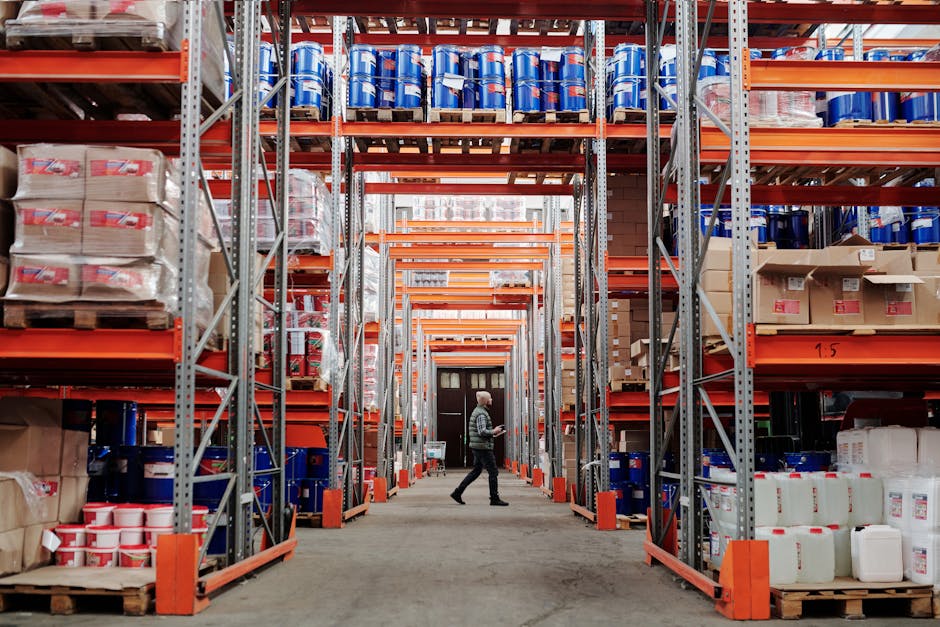
Distribution channels are the pathways through which products flow from producers to consumers. Distributors play a vital role in these channels, acting as the link that facilitates the movement of goods. They can take many forms, including wholesalers, retailers, and online platforms. Each type of distributor has its unique advantages and challenges, making it essential for businesses to choose the right distribution strategy.
For instance, wholesalers purchase large quantities of goods from manufacturers and sell them in smaller quantities to retailers. This model allows manufacturers to focus on production while relying on wholesalers to manage inventory and distribution logistics. On the other hand, direct-to-consumer models have gained popularity, particularly with the rise of e-commerce, where companies sell directly through their websites or platforms.
The Advantages of Using Distributors
One of the primary benefits of using distributors is their ability to leverage existing networks and relationships. Distributors often have established connections with retailers and other businesses, which can help manufacturers penetrate new markets more quickly. Additionally, they provide valuable market insights, helping manufacturers understand consumer preferences and trends.
Moreover, distributors can significantly reduce the burden of logistics and inventory management. By outsourcing these functions, manufacturers can focus on their core competencies, such as product development and marketing. This division of labor can lead to enhanced efficiency and reduced operational costs.
Challenges Faced by Distributors
While distributors offer many advantages, they also face several challenges. One of the most significant issues is the need to adapt to rapidly changing market conditions. Consumer preferences can shift quickly, and distributors must be agile enough to respond to these changes effectively.
Another challenge is the increasing competition from direct-to-consumer models. As more companies opt to sell their products online, traditional distributors may find it challenging to maintain their market share. They must innovate and provide additional value to remain relevant in the industry.
Future Trends in Distribution
The future of distribution is likely to be shaped by technological advancements and changing consumer behaviors. Automation and artificial intelligence are expected to play significant roles in streamlining logistics and improving inventory management. Distributors that embrace these technologies will likely gain a competitive edge.
Additionally, sustainability is becoming a critical factor in distribution. Consumers are increasingly concerned about the environmental impact of their purchases, prompting distributors to adopt more eco-friendly practices. This trend is not only beneficial for the planet but can also enhance brand loyalty among consumers.
For example, companies are exploring ways to reduce waste in their supply chains and utilize sustainable packaging materials. By doing so, they can attract environmentally conscious consumers and differentiate themselves in the marketplace.
Conclusion
In conclusion, distributors play an integral role in modern supply chains, facilitating the movement of goods from manufacturers to consumers. While they offer numerous advantages, such as market access and logistical support, they also face challenges that require adaptation and innovation. As the landscape of distribution continues to evolve, businesses must remain vigilant and responsive to changes in technology and consumer preferences. By leveraging the strengths of distributors, manufacturers can enhance their competitiveness and drive growth in an ever-changing market. For instance, products like BPC157+TB500 illustrate the importance of effective distribution in bringing specialized goods to the market efficiently.