










In the ever-evolving world of jewelry and gemstone trading, having a reliable gemstone supplier is crucial for success. The quality of the gemstones you source directly impacts your brand’s reputation and customer satisfaction. So, how do you find the right supplier who can meet your needs and uphold the quality standards you desire? In this article, we will explore the key factors to consider when selecting a gemstone supplier, how to assess their credibility, and the advantages of building a strong relationship with them.
Understanding Gemstone Quality
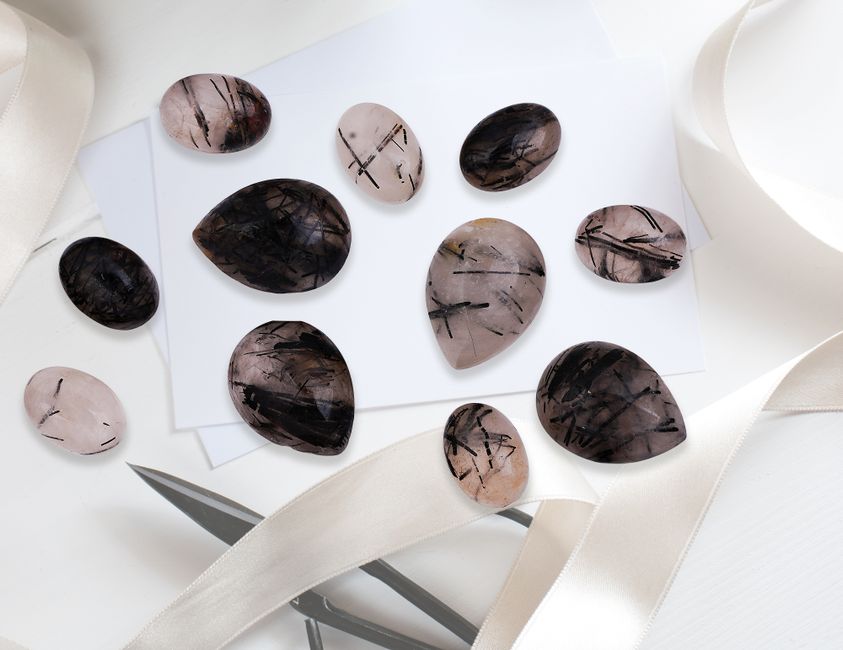
Before diving into the search for a gemstone supplier, it’s important to have a solid understanding of gemstone quality. Gemstones are evaluated based on the 4 Cs: Cut, Color, Clarity, and Carat weight. Each of these factors plays a significant role in determining the value and appeal of a gemstone. For instance, a well-cut diamond can reflect light beautifully, enhancing its brilliance, while a gemstone with vibrant color and high clarity can command a premium price.
When evaluating potential suppliers, inquire about their sourcing practices and the quality control measures they employ. A reputable supplier should be able to provide certifications and documentation that verify the quality of their gemstones. This transparency not only ensures the authenticity of the stones but also builds trust in the supplier.
Additionally, consider the range of gemstones a supplier offers. A versatile supplier who provides a wide variety of stones can help you cater to different customer preferences and market trends. Whether you’re looking for sapphires, emeralds, or rare colored gems, your supplier should be able to meet your diverse needs.
Assessing Supplier Credibility
Credibility is a cornerstone when choosing a gemstone supplier. Start by researching their reputation in the industry. Look for online reviews, testimonials, and feedback from other businesses. Engaging with fellow jewelers or industry professionals can provide valuable insights into a supplier’s reliability and quality.
Another important aspect of assessing credibility is understanding the supplier’s ethical sourcing practices. In recent years, there has been a growing demand for ethically sourced gemstones, which are obtained without causing harm to the environment or local communities. Suppliers who adhere to ethical guidelines not only contribute positively to the industry but also appeal to socially conscious consumers.
It is also beneficial to visit the supplier’s facilities if possible. Observing their operations firsthand can reveal a lot about their commitment to quality and ethical practices. Ensure that their workspace is organized and that they have the necessary equipment for proper gemstone handling and grading.
The Importance of Communication
Effective communication is essential in any business relationship, and this holds true for gemstone suppliers as well. A supplier who is open to communication and responsive to your inquiries can make a significant difference in your overall experience. Establishing a strong line of communication ensures that you can easily discuss orders, address any concerns, and keep up with new products or trends.
Consider how the supplier manages their customer service. Are they available for consultations before and after the sale? Do they provide support with marketing materials or education on their gemstones? A supplier that goes the extra mile to support your business can be a valuable partner in your success.
Furthermore, building a good rapport with your supplier can lead to better pricing, exclusive offers, and insights into upcoming trends. A strong relationship can turn a supplier into a trusted partner who understands your business needs.
Exploring Pricing and Terms
Pricing is a critical factor when selecting a gemstone supplier. It’s essential to understand how the supplier prices their gemstones and what factors influence those prices. Inquire about their pricing structure, including any potential discounts for bulk purchases or ongoing partnerships.
Be sure to compare prices among different suppliers, but remember that the cheapest option is not always the best. Quality should never be compromised for the sake of cost. Look for a supplier who offers fair pricing while maintaining high standards for their gemstones.
Additionally, understand the terms of sale, including payment methods, shipping policies, and return policies. Having clear terms outlined can prevent misunderstandings and ensure a smooth transaction process.
Building a Long-term Relationship
Once you have found a reliable gemstone supplier, focus on nurturing that relationship. Long-term partnerships can yield numerous benefits, including consistent quality, better pricing, and exclusive access to new products. As your business grows, your supplier can become an invaluable resource for navigating the changing market landscape.
Regularly engage with your supplier, providing feedback on their products and service. This two-way communication can help them better understand your needs and improve their offerings accordingly.
Moreover, consider collaborating with your supplier on marketing initiatives. Joint promotions or special collections can enhance visibility for both parties and attract new customers. A strong partnership can lead to mutual growth and success in the competitive gemstone industry.
Conclusion
In conclusion, selecting the right gemstone supplier is a critical step for any jewelry business. By understanding gemstone quality, assessing supplier credibility, fostering effective communication, exploring pricing, and building long-term relationships, you can establish a fruitful partnership that supports your business goals. Remember, a reliable gemstone supplier can be the difference between success and failure in the competitive world of gemstones and jewelry.
For those seeking a trustworthy resource, consider connecting with a reputable gemstone supplier to ensure the best quality for your business.