










In recent years, the need for effective plastic recycling has become increasingly urgent. With the world generating hundreds of millions of tons of plastic waste annually, the role of plastic recycling companies has taken center stage. These companies are not just recycling plastic; they are also innovating solutions to manage waste and contribute to sustainability. In this article, we will explore the significance of plastic recycling companies, their operational methods, and the broader impact they have on the environment and economy.
Understanding Plastic Waste
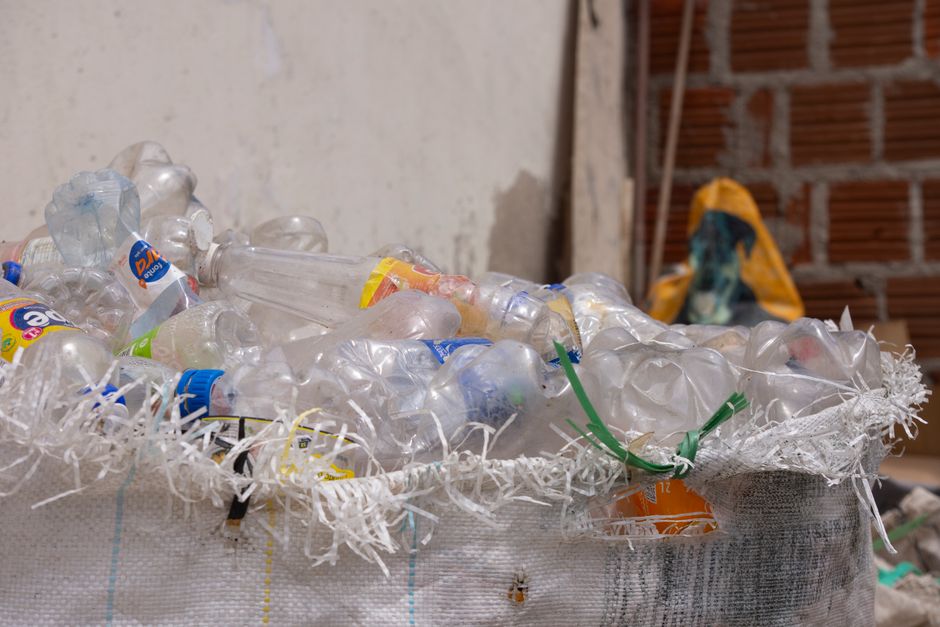
Plastic waste is a global crisis that affects every corner of the planet. According to the United Nations, approximately 300 million tons of plastic are produced each year, and a staggering 91% of this plastic is never recycled. This results in enormous amounts of waste ending up in landfills, oceans, and natural habitats, causing severe environmental degradation. The challenge lies not only in the sheer volume of plastic waste but also in the diverse types of plastics that require different recycling processes.
Plastic recycling companies play a critical role in addressing this issue. By implementing efficient sorting and recycling technologies, they can turn waste into reusable material, significantly reducing the amount of plastic that ends up in the environment. This process not only conserves natural resources but also decreases greenhouse gas emissions associated with the production of new plastic.
How Plastic Recycling Companies Operate
Plastic recycling companies employ a variety of methods to process plastic waste. The journey begins with collection, where they gather plastic from various sources, including households, businesses, and industrial sites. Once collected, the plastic is sorted based on its type and color, as different plastics have different recycling requirements.
Next is the cleaning phase, where contaminants such as labels, dirt, and food residues are removed. This step is crucial, as any impurities can compromise the quality of the recycled material. After cleaning, the plastic is shredded into smaller pieces, making it easier to melt down and reshape.
Finally, the shredded plastic is melted and formed into pellets, which can then be sold to manufacturers for the production of new products. This closed-loop system not only promotes sustainability but also creates economic opportunities. For instance, a study by the American Chemistry Council estimated that for every job in the recycling sector, there are 1.17 jobs created in the manufacturing sector.
The Environmental Impact of Plastic Recycling
The environmental benefits of plastic recycling are profound. A report by the Environmental Protection Agency (EPA) highlights that recycling one ton of plastic can save up to 7.4 cubic yards of landfill space. Additionally, recycling plastic conserves energy; it takes 66% less energy to produce plastic from recycled materials than from virgin materials.
Moreover, recycling helps mitigate pollution. By reducing the need for new plastic production, we can decrease the emissions of harmful gases into the atmosphere. According to the National Recycling Coalition, recycling can prevent the release of 1.1 billion metric tons of carbon dioxide equivalent into the air annually.
Plastic recycling companies also play a vital role in reducing ocean pollution. With millions of tons of plastic entering oceans each year, these companies contribute to efforts aimed at cleaning up marine environments. For instance, initiatives by various plastic recycling companies have led to the recovery of plastics from waterways, helping to protect marine life and ecosystems.
Challenges Faced by Plastic Recycling Companies
Despite their critical role, plastic recycling companies face numerous challenges. One significant hurdle is the contamination of recyclable materials. When non-recyclable plastics are mixed with recyclable ones, it complicates the recycling process and often results in lower-quality recycled products.
Furthermore, fluctuating market prices for recycled materials can impact the financial stability of recycling companies. When the demand for recycled plastics decreases, it can lead to reduced revenues and even closures of recycling facilities. To combat this, many companies are advocating for stronger regulations and policies that promote the use of recycled materials in manufacturing.
Innovation is also a key factor in overcoming these challenges. Many plastic recycling companies are investing in advanced technologies such as artificial intelligence and machine learning to improve sorting and processing efficiency. These innovations can significantly enhance the quality of recycled materials and open up new markets for their use.
The Future of Plastic Recycling Companies
The future of plastic recycling companies looks promising as awareness of environmental issues grows. With increasing governmental regulations aimed at reducing plastic waste and promoting recycling, these companies are likely to see enhanced support and investment. Initiatives such as extended producer responsibility (EPR) laws are being implemented in various regions, requiring manufacturers to take responsibility for the entire lifecycle of their products.
Moreover, consumer demand for sustainable products is on the rise. As more people become environmentally conscious, businesses are also compelled to adopt more sustainable practices, including the use of recycled materials. This shift in consumer behavior is driving innovation and growth within the recycling sector.
In conclusion, plastic recycling companies are essential in tackling the global plastic waste crisis. Through their innovative approaches and commitment to sustainability, they contribute significantly to environmental protection and economic growth. As we move forward, it is crucial to support these companies and promote responsible consumption and recycling practices for a cleaner, greener planet. To learn more about effective solutions for plastic recycling, consider working with a reputable plastic recycling company that can help you manage waste responsibly.