









In the competitive world of dining, the importance of restaurant interior design cannot be overstated. The way a restaurant looks and feels can significantly impact a customer’s experience, influencing their mood, comfort, and ultimately, their desire to return. From the layout and color scheme to the choice of furniture and decor, every element plays a crucial role in crafting an inviting atmosphere. This article delves into the key aspects of restaurant interior design, offering practical insights and tips for creating a memorable dining space.
The Importance of First Impressions
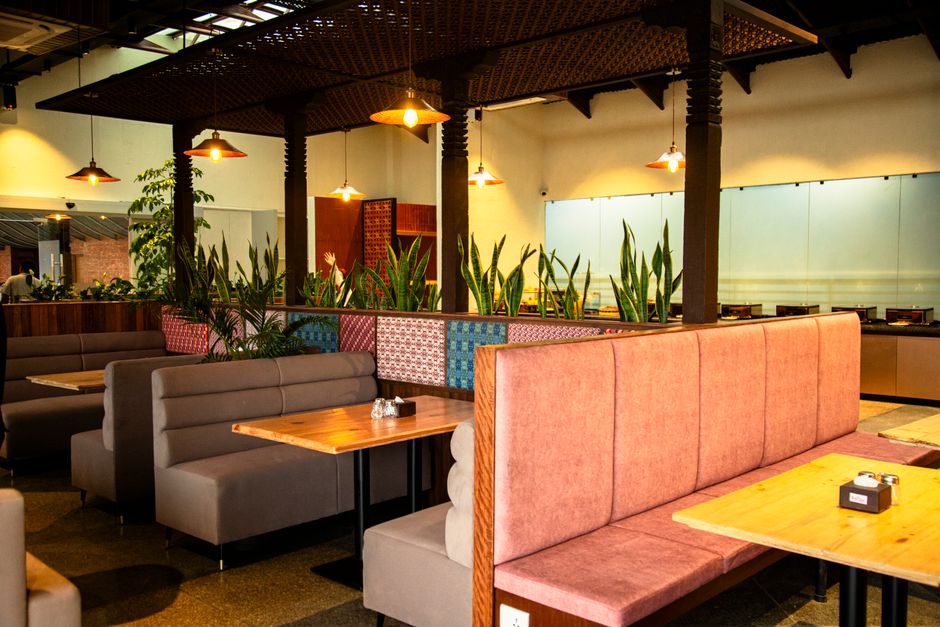
First impressions are critical in the restaurant industry. Research shows that customers form an opinion about a restaurant within the first 10 seconds of entering. This initial judgment is heavily influenced by the interior design. A well-designed space can evoke feelings of comfort and sophistication, encouraging patrons to explore the menu and enjoy their dining experience.
For instance, a restaurant with a modern aesthetic featuring sleek lines and minimalist decor might attract a younger crowd looking for a trendy spot. In contrast, a cozy eatery with warm colors and rustic furniture may appeal to families or those seeking a more relaxed atmosphere. Therefore, understanding your target demographic is essential in shaping your design choices.
Elements of Effective Restaurant Interior Design
Several key elements contribute to effective restaurant interior design. These include layout, color scheme, lighting, furniture selection, and decor. Each of these components must work together harmoniously to create an inviting atmosphere.
The layout of the dining space is crucial. Open floor plans can promote a sense of community and energy, while segmented areas can create intimacy and privacy. Additionally, the flow of the space should facilitate smooth movement for both staff and customers, ensuring efficient service.
Color plays a significant role in setting the mood. Warm colors like reds and oranges can stimulate appetite, while cooler shades may promote relaxation. Choosing the right color palette can enhance the overall dining experience and encourage guests to linger longer.
Lighting: Setting the Right Ambiance
Lighting is another vital aspect of restaurant interior design. It not only illuminates the space but also sets the mood. Different types of lighting can create various atmospheres; for example, soft, dim lighting can foster a romantic setting, while bright, natural light can energize a breakfast crowd.
Layered lighting, which combines ambient, task, and accent lighting, can enhance the dining experience. Ambient lighting provides overall illumination, task lighting focuses on specific areas like tables, and accent lighting draws attention to decor or architectural features. A thoughtful approach to lighting can transform a restaurant from ordinary to extraordinary.
Choosing the Right Furniture and Decor
Furniture selection is another significant component of restaurant interior design. Comfortable seating options can encourage patrons to stay longer and enjoy their meals. Tables should be appropriately sized for groups, allowing for easy conversation and movement.
Moreover, decor should reflect the restaurant’s theme and cuisine. For example, a seafood restaurant might incorporate nautical elements, while a farm-to-table establishment could use rustic wood and greenery. This connection between decor and theme can enhance the overall dining experience, making it more memorable for guests.
Incorporating local art or handmade decor can also create a unique ambiance, connecting the restaurant to the community and providing a sense of place. This not only supports local artists but also creates a story that diners can engage with.
Sustainability in Restaurant Design
In today’s environmentally conscious world, sustainability has become a crucial consideration in restaurant interior design. Many consumers prefer establishments that prioritize eco-friendly practices. This can include using sustainable materials for furniture, energy-efficient lighting, and environmentally friendly decor.
Additionally, incorporating plants into the design can improve air quality and create a calming atmosphere. Green walls or indoor gardens not only enhance aesthetics but also promote a sense of well-being among patrons.
Conclusion
Restaurant interior design is a multifaceted discipline that goes beyond mere aesthetics. It plays a vital role in shaping customer experiences and can significantly impact a restaurant’s success. By carefully considering elements such as layout, lighting, furniture, and decor, restaurant owners can create inviting atmospheres that resonate with their target audience. For those looking to elevate their dining space, professional guidance in restaurant interior design can provide valuable insights and innovative solutions. Ultimately, a well-designed restaurant not only attracts customers but also fosters loyalty and encourages repeat visits.