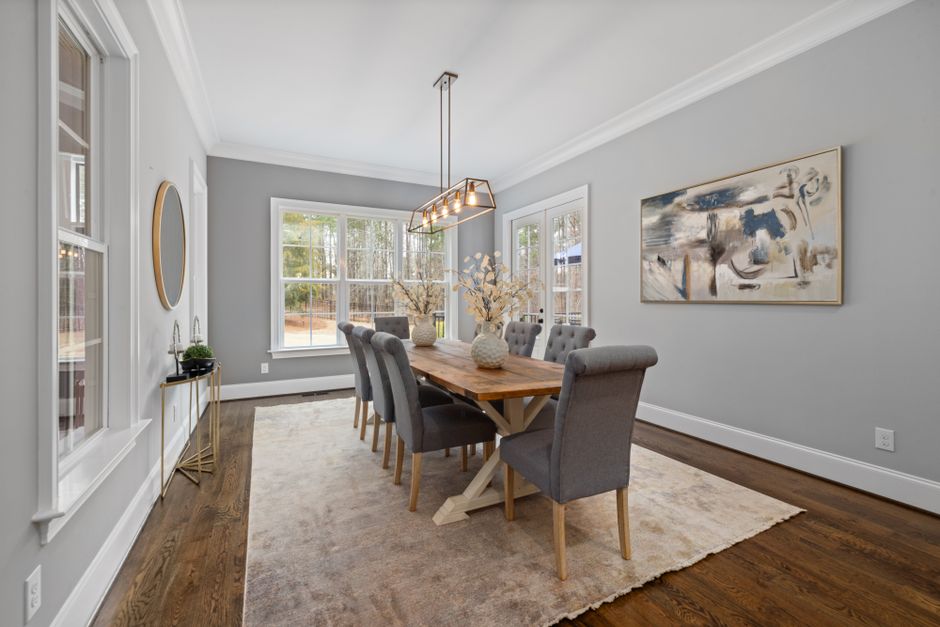










In today’s competitive real estate market, first impressions matter more than ever. Home staging has emerged as a powerful tool for sellers looking to maximize their property’s appeal and value. By enhancing the visual presentation of a home, staging helps potential buyers envision themselves living in the space, ultimately leading to quicker sales and higher offers. But what exactly does a home staging service entail, and how can it benefit you as a seller? In this article, we will explore the ins and outs of home staging services, the strategies involved, and the significant impact it can have on your selling experience.
Understanding Home Staging
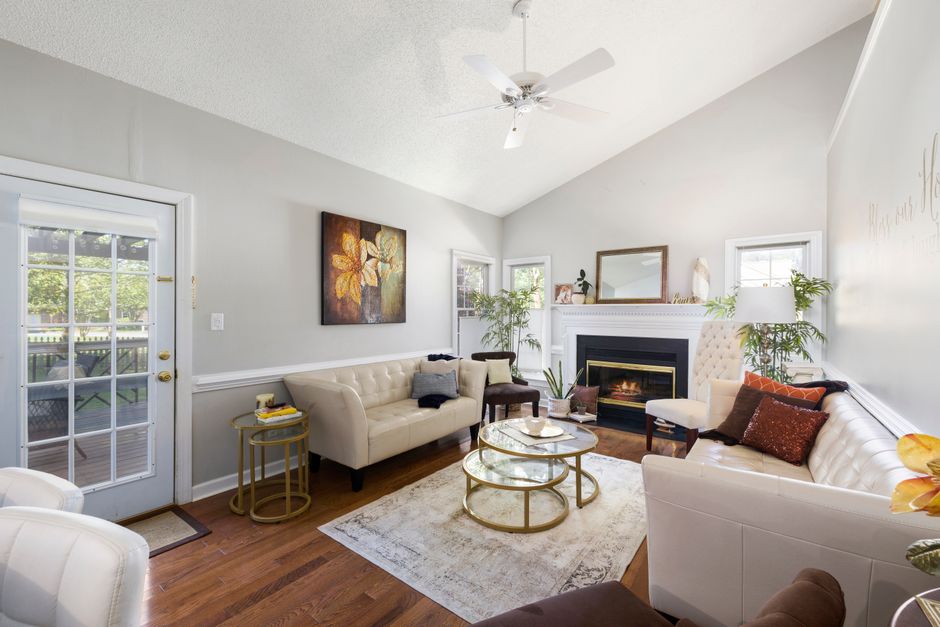
Home staging is the art of preparing a home for sale in the real estate marketplace. The process involves decluttering, depersonalizing, and strategically arranging furniture and decor to highlight the home’s best features. According to the National Association of Realtors, homes that are staged before listing can sell for up to 10% more than those that are not staged. This statistic underscores the importance of presenting a property in its best light.
Moreover, a well-staged home can often sell up to 73% faster compared to non-staged homes. This is crucial in a market where buyers have numerous options to consider. The goal of home staging is to create an inviting atmosphere that allows buyers to imagine their future in the space, making it more likely for them to make an offer.
The Home Staging Process
The home staging process typically begins with a consultation. During this initial meeting, a professional stager assesses the property and provides recommendations tailored to the specific space. This may include suggestions for furniture arrangement, color schemes, and decor enhancements. The stager’s expertise is invaluable, as they have a keen eye for design and an understanding of current market trends.
After the consultation, the next step is implementation. This can involve renting furniture and decor, painting walls, and making necessary repairs. The staging should aim to create a cohesive look that appeals to the broadest audience possible. For instance, in a living room, a stager might recommend neutral tones with pops of color to create a warm, inviting atmosphere without overwhelming the senses.
Benefits of Hiring Professional Stagers
While some sellers may consider staging their home on their own, hiring a professional staging service can yield significant benefits. Firstly, professionals have access to a wider array of resources, including high-quality furniture and decor that can elevate the overall look of the home. Additionally, their experience allows them to stage homes that cater to the target demographic, ensuring that the property appeals to the right buyers.
Furthermore, professional stagers can provide an objective perspective on what works and what doesn’t in a home. Sellers may be emotionally attached to their belongings, making it difficult to see what needs to be changed. A stager’s fresh eyes can help identify areas that require decluttering or redesign, ultimately leading to a more polished presentation.
Cost vs. Return on Investment
Investing in a home staging service is often viewed as an expense; however, it can significantly enhance the return on investment (ROI) for sellers. On average, staging a home costs around 1% to 3% of the home’s total value. In contrast, the potential increase in sale price can far exceed this initial investment. For example, a staged home valued at $300,000 might cost $3,000 to stage but could sell for $330,000 or more, resulting in a substantial profit margin.
Moreover, the faster a home sells, the less the seller has to worry about ongoing costs such as mortgage payments, utilities, and maintenance. By expediting the selling process through effective staging, sellers can save money in the long run.
Real-Life Success Stories
Many sellers have experienced remarkable success as a result of home staging services. For instance, a family in a competitive market decided to stage their home after struggling to attract buyers. After hiring a professional stager, they transformed their space by decluttering, repainting, and rearranging furniture. Within two weeks of staging, they received multiple offers and ultimately sold the home for $20,000 above their asking price.
This story is not uncommon. Numerous homeowners have reported similar experiences, highlighting the effectiveness of staging in influencing buyer behavior. Sellers who are hesitant about investing in staging should consider the potential benefits and the positive impact it can have on their selling journey.
Conclusion
In conclusion, home staging services offer a strategic approach to selling a property in today’s market. By transforming a space to highlight its best features, sellers can attract more buyers and achieve higher offers. With the potential for increased sale prices and faster transactions, investing in a professional staging service is a decision that can lead to significant rewards. Whether you are preparing to sell or simply looking to enhance your property’s appeal for potential buyers, considering a home staging service may be one of the best choices you can make.