







In recent years, the demand for sustainable energy solutions has surged, prompting a significant transformation in how we generate, store, and consume energy. Among the most pivotal developments in this arena is the energy storage system, a technology that plays a crucial role in enhancing energy efficiency and reliability. This article delves into the various aspects of energy storage systems, their implications for the energy sector, and how they are shaping the future of power generation.
Understanding Energy Storage Systems

Energy storage systems (ESS) are technologies that store energy for later use. They come in various forms, including batteries, pumped hydro storage, compressed air energy storage, and thermal energy storage. Each type has its own unique advantages and applications, making them suitable for different scenarios within the energy landscape. For instance, lithium-ion batteries are widely used in residential and commercial applications due to their efficiency and scalability.
At the heart of energy storage systems is the principle of capturing excess energy generated during periods of low demand and releasing it during peak demand. This capability not only enhances grid stability but also facilitates the integration of renewable energy sources such as solar and wind. As the share of renewables in the energy mix continues to grow, the role of energy storage becomes increasingly vital.
The Role of Energy Storage in Renewable Integration
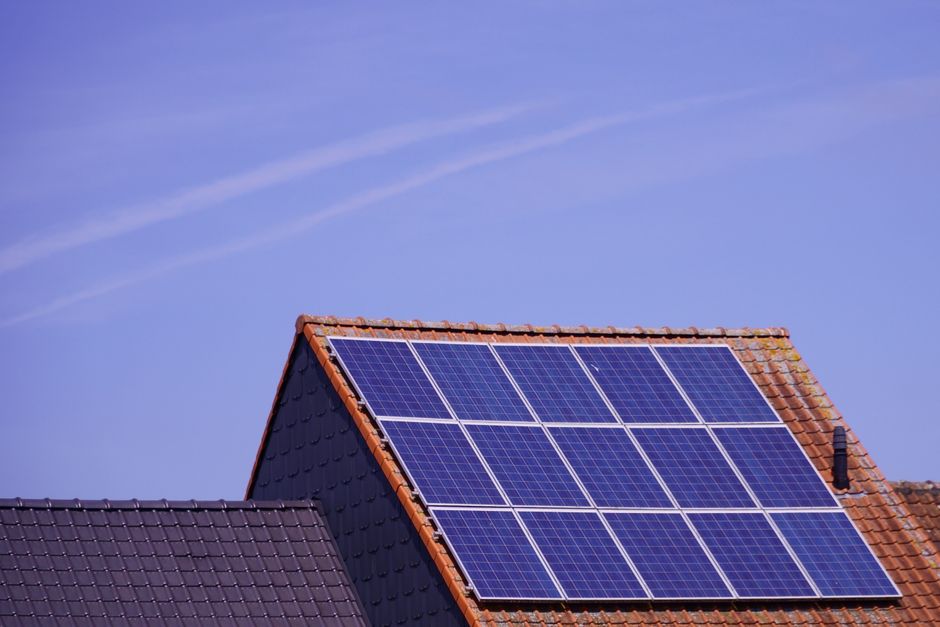
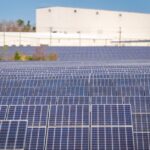
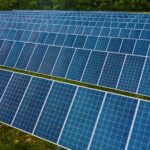
As countries ramp up their commitment to renewable energy, the intermittent nature of sources like solar and wind presents challenges. Energy storage systems help mitigate these challenges by storing excess energy generated during sunny or windy days for use during calm periods. For example, during a sunny day, solar panels may produce more electricity than is needed. An energy storage system can absorb this surplus energy, allowing it to be utilized later when generation drops.
This capability not only supports grid reliability but also reduces the need for fossil fuel-based peaking power plants. According to the International Renewable Energy Agency (IRENA), the global energy storage capacity is projected to reach 1,000 gigawatts (GW) by 2030, highlighting the significant role that these systems will play in the decarbonization of the energy sector.
Economic Impacts of Energy Storage Systems
The economic implications of deploying energy storage systems are profound. By reducing peak demand and enhancing energy efficiency, these systems can lead to lower electricity prices for consumers. Additionally, they provide cost savings for utilities by deferring investments in new generation and transmission infrastructure.
In many regions, energy storage systems are becoming economically viable due to decreasing costs of battery technology and favorable regulatory environments. The levelized cost of energy storage has dropped significantly in recent years, making it a compelling investment for both private and public entities. For instance, a recent report by BloombergNEF indicated that the cost of lithium-ion batteries fell by 89% between 2010 and 2019, underscoring the rapid advancements in this field.
Case Studies: Successful Implementation of Energy Storage Systems
Various countries have successfully implemented energy storage systems to enhance their energy infrastructure. In California, for instance, the deployment of large-scale battery storage systems has played a crucial role in managing the state’s renewable energy resources. The state’s aggressive renewable energy mandates necessitated innovative solutions to ensure stability and reliability, and energy storage systems have proven effective in addressing these challenges.
Similarly, in South Australia, the introduction of a massive battery storage project has demonstrated the potential of energy storage to stabilize the grid and reduce reliance on fossil fuels. The Hornsdale Power Reserve, which comprises Tesla’s lithium-ion battery systems, has been instrumental in enhancing grid resilience and lowering energy costs for consumers.
Future Trends in Energy Storage Technology
The future of energy storage systems looks promising, with ongoing advancements in technology and decreasing costs. Researchers are exploring various alternatives to traditional lithium-ion batteries, including solid-state batteries, flow batteries, and even innovative materials like graphene. These developments aim to enhance energy density, reduce costs, and increase the lifespan of storage systems.
Furthermore, the integration of artificial intelligence and smart grid technologies is set to revolutionize the management of energy storage systems. By optimizing energy usage and storage through predictive analytics, these technologies can significantly enhance the efficiency and effectiveness of energy storage solutions.
As we move towards a more sustainable energy future, the importance of energy storage systems cannot be overstated. They represent a critical component of our transition to a low-carbon economy and will play a vital role in shaping the future of energy generation and consumption.
For further insights into energy storage systems, you can visit energy storage system.
Conclusion
Energy storage systems are at the forefront of the transition to a sustainable energy future. By enabling greater integration of renewable energy sources and enhancing grid reliability, these systems are transforming the way we approach energy generation and consumption. As technology continues to evolve and costs decrease, the deployment of energy storage systems is expected to expand, paving the way for a cleaner, more efficient energy landscape. Embracing these innovations will be essential for addressing the challenges of climate change and ensuring a reliable energy supply for generations to come.