










In an increasingly globalized economy, the shipping of goods across borders has become a crucial component of business operations. However, with this expansion comes inherent risks, such as damage, theft, or loss of cargo. To mitigate these potential hazards, cargo insurance emerges as a vital necessity for businesses involved in shipping. This article delves into the significance of cargo insurance, its various types, benefits, and considerations for businesses.
What is Cargo Insurance?
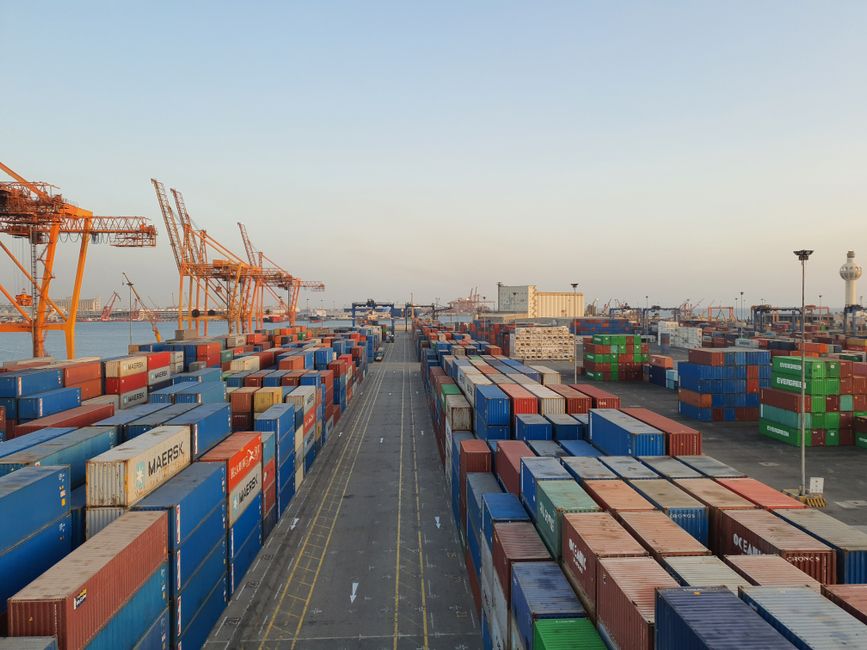
At its core, cargo insurance protects businesses against the financial losses incurred due to the damage or loss of goods while in transit. This type of insurance covers a wide range of scenarios, including natural disasters, accidents, and theft. Depending on the policy, it may also cover loss due to improper packing or handling.
For instance, a company shipping electronics may face significant losses if their products are damaged during transport. By securing cargo insurance, they can recover a portion of their losses, ensuring business continuity and financial stability.
The Different Types of Cargo Insurance
Cargo insurance comes in various forms, catering to the diverse needs of businesses. The two primary types are ‘All Risk’ and ‘Named Perils’ policies.
All Risk Policies cover a broad range of potential losses, making them suitable for businesses that want comprehensive protection. These policies typically cover risks such as theft, damage from natural disasters, and even loss due to accidents.
On the other hand, Named Perils Policies only cover specific risks explicitly stated in the policy. This can be a more cost-effective option for businesses that are confident in their ability to manage certain risks.
Benefits of Cargo Insurance
The advantages of obtaining cargo insurance extend beyond mere financial protection. For one, it enhances a company’s credibility. Clients are more likely to engage with businesses that can demonstrate a commitment to safeguarding their goods during transit.
Moreover, cargo insurance can lead to smoother operations. With the assurance that losses can be mitigated, businesses can focus on their core operations without the constant worry of potential financial setbacks due to shipping issues.
Key Considerations When Choosing Cargo Insurance
When selecting cargo insurance, businesses should consider several factors. First, they should assess the value of the goods being shipped. Higher-value items may require more comprehensive coverage to ensure adequate protection.
Additionally, businesses should evaluate the routes their goods will take. Shipping through high-risk areas may necessitate specialized coverage. Finally, understanding the claims process is essential. A straightforward and efficient claims process can save valuable time and resources in the event of a loss.
Conclusion
In conclusion, cargo insurance plays a pivotal role in the shipping and logistics industry. It not only provides financial protection against potential losses but also enhances a company’s reputation and operational efficiency. As businesses continue to expand their reach globally, understanding and investing in cargo insurance will be crucial for sustainable growth and success.